Introduction to Recombinant Mouse GDF15/MIC1 Protein
Recombinant Mouse GDF15/MIC1 Protein is a type of recombinant protein that has been specifically designed to mimic the naturally occurring protein GDF15, also known as macrophage inhibitory cytokine 1 (MIC1). This protein is produced by recombinant DNA technology, which involves inserting the gene for GDF15 into a host organism, such as bacteria or yeast, and allowing it to produce the protein in large quantities.
Structure of Recombinant Mouse GDF15/MIC1 Protein
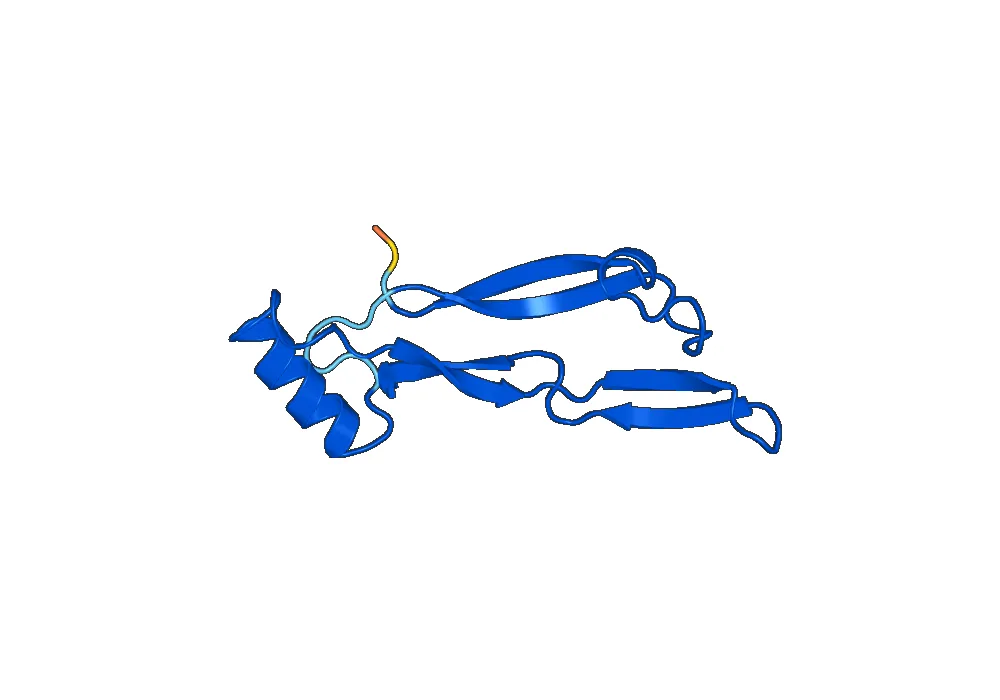
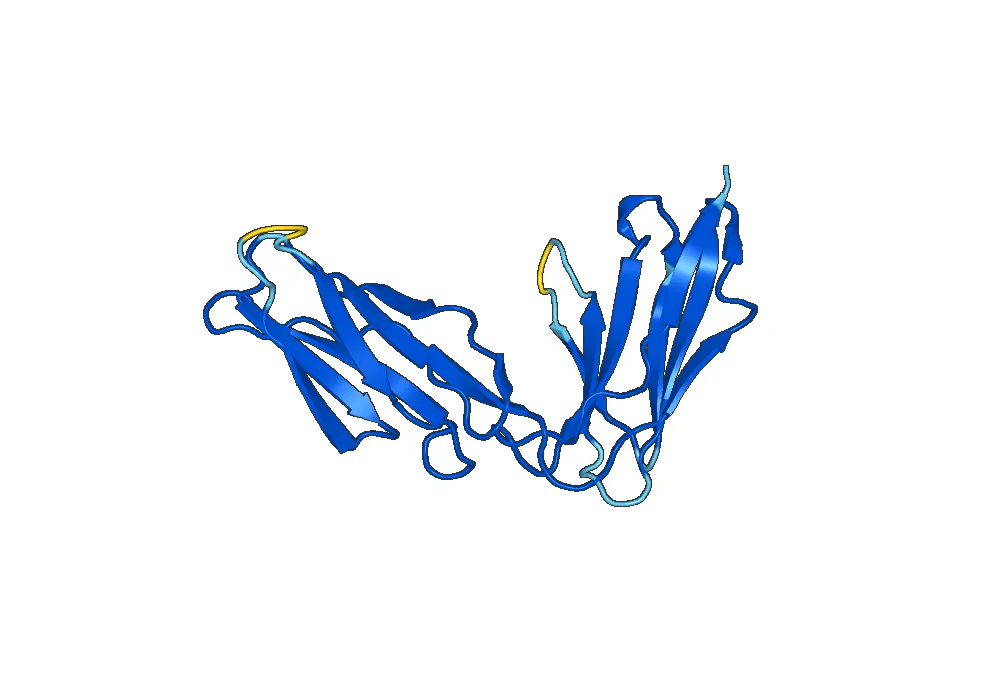
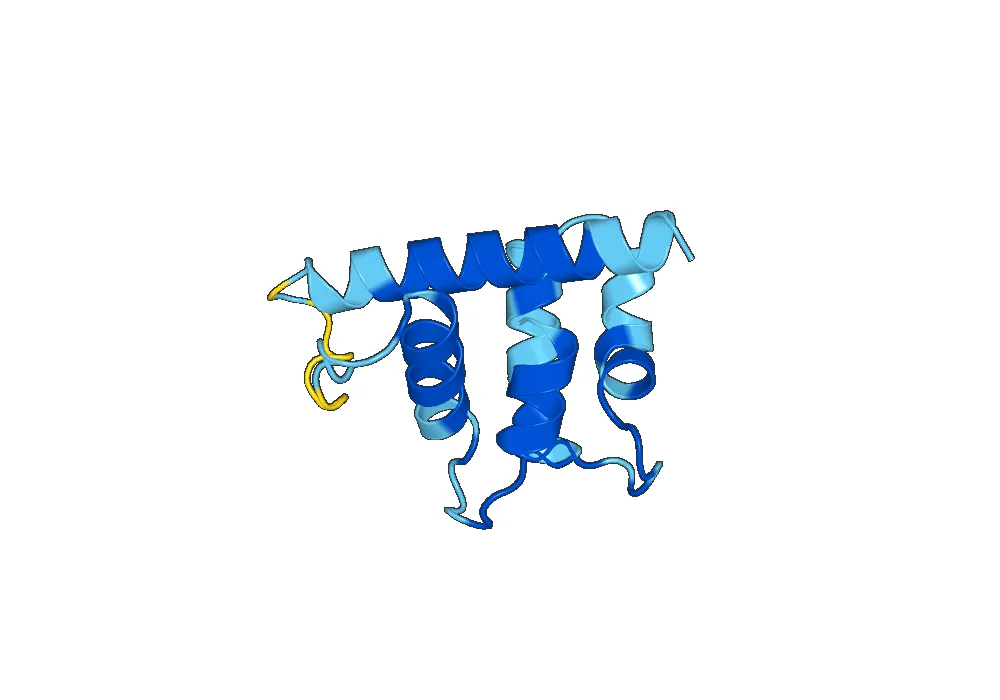
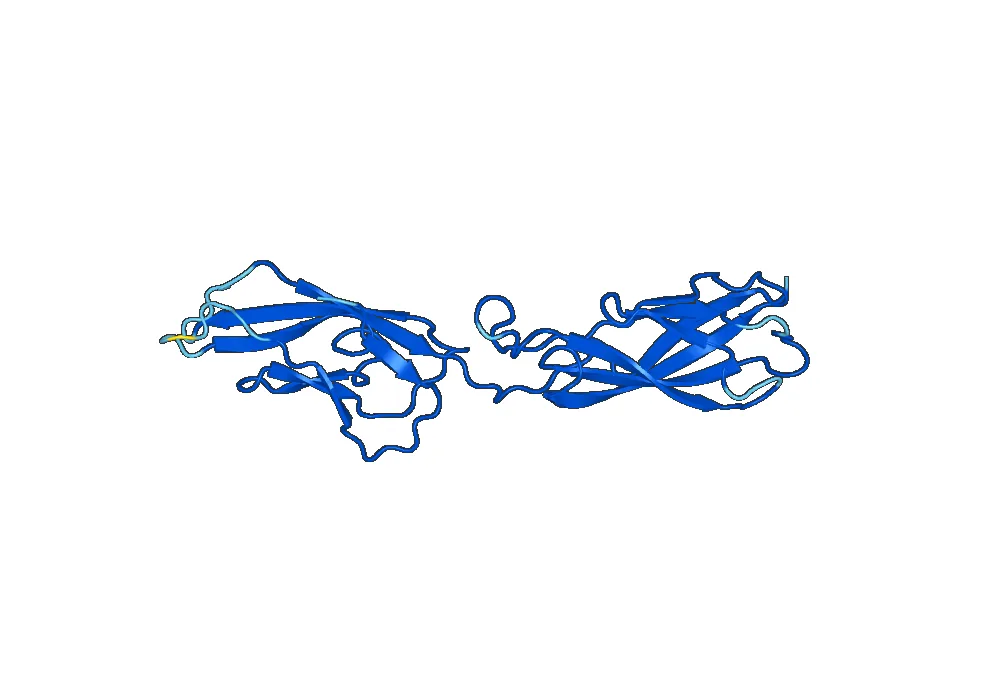
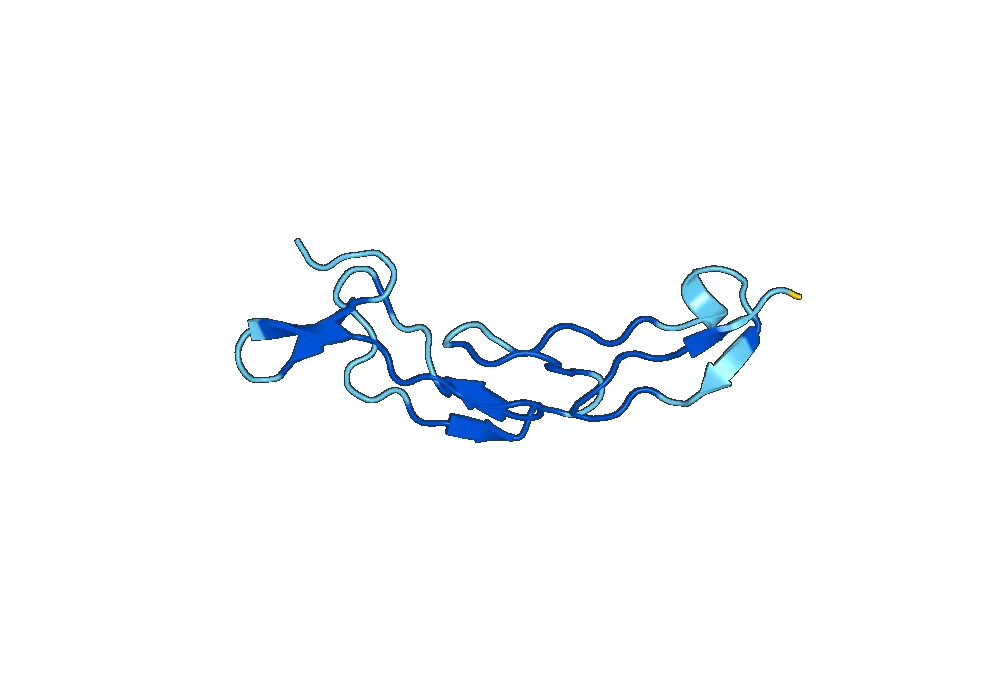
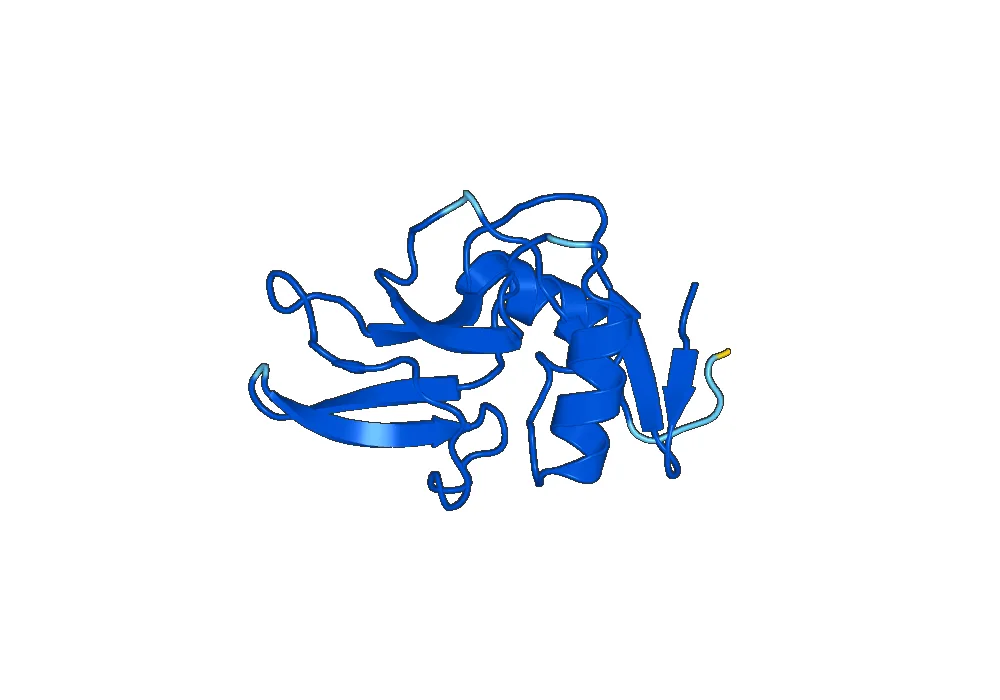
Recombinant Mouse GDF15/MIC1 Protein has a similar structure to the naturally occurring GDF15 protein. It is composed of 112 amino acids and has a molecular weight of approximately 12.5 kDa. The protein has a unique tertiary structure, with a central core consisting of four beta strands and a C-terminal alpha helix. This structure is essential for the protein’s function and activity.
Activity of Recombinant Mouse GDF15/MIC1 Protein
Recombinant Mouse GDF15/MIC1 Protein has been shown to have various activities in different biological processes. It is primarily known for its role as a cytokine, which is a type of signaling molecule that regulates the immune system. The protein is produced by various cell types, including macrophages, and has been found to have anti-inflammatory and immunomodulatory effects.
Additionally, Recombinant Mouse GDF15/MIC1 Protein has been shown to play a role in cancer development and progression. It has been found to be overexpressed in various types of cancer, including pancreatic, colorectal, and breast cancer. The protein has been linked to tumor growth, angiogenesis, and metastasis, making it a potential target for cancer treatment.
Application of Recombinant Mouse GDF15/MIC1 Protein
Recombinant Mouse GDF15/MIC1 Protein has various applications in both research and clinical settings. In research, the protein is used to study its role in different biological processes, including inflammation and cancer. It can also be used to develop animal models for studying GDF15-related diseases.
In the clinical setting, Recombinant Mouse GDF15/MIC1 Protein has potential therapeutic applications. Its anti-inflammatory and immunomodulatory effects make it a potential treatment for autoimmune diseases, such as rheumatoid arthritis and multiple sclerosis. Additionally, the protein’s role in cancer makes it a potential target for cancer therapy, either as a standalone treatment or in combination with other therapies.
Antigen Detection using Recombinant Mouse GDF15/MIC1 Protein
Recombinant Mouse GDF15/MIC1 Protein can also be used as an antigen in diagnostic tests for various diseases. Antigens are substances that can trigger an immune response and are often used in diagnostic tests to detect the presence of specific antibodies in a person’s blood or other bodily fluids.
By using Recombinant Mouse GDF15/MIC1 Protein as an antigen, scientists and healthcare professionals can detect the presence of antibodies against this protein in a patient’s blood. This can be useful in diagnosing diseases associated with GDF15, such as cancer, and monitoring the progression of the disease.
Conclusion
Recombinant Mouse GDF15/MIC1 Protein is a valuable tool in scientific research and has potential therapeutic applications in the treatment of various diseases. Its unique structure and activity make it a versatile protein that can be used in different biological processes. By understanding the structure, activity, and applications of this protein, scientists can continue to unlock its potential in both research and clinical settings.
There are no reviews yet.