Introduction
Recombinant Mouse CER1 Protein (rCER1) is a type of recombinant protein that has been produced through genetic engineering techniques. It is a member of the Cerberus/Dan family of proteins, which are involved in embryonic development and cell differentiation. In this article, we will explore the structure, activity, and applications of rCER1 in various fields.
Structure of rCER1
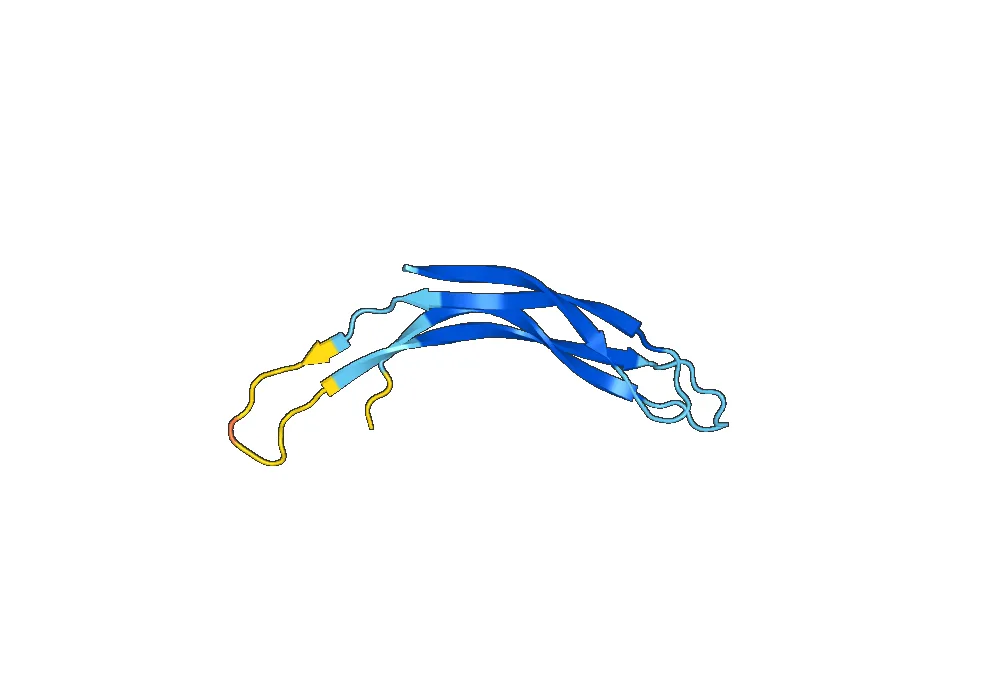
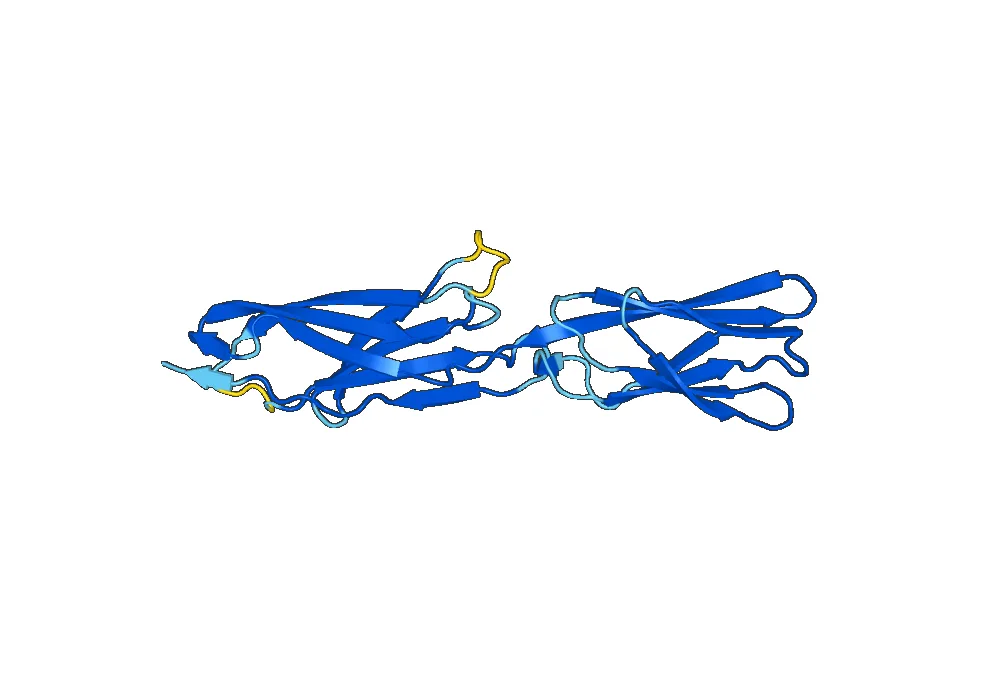
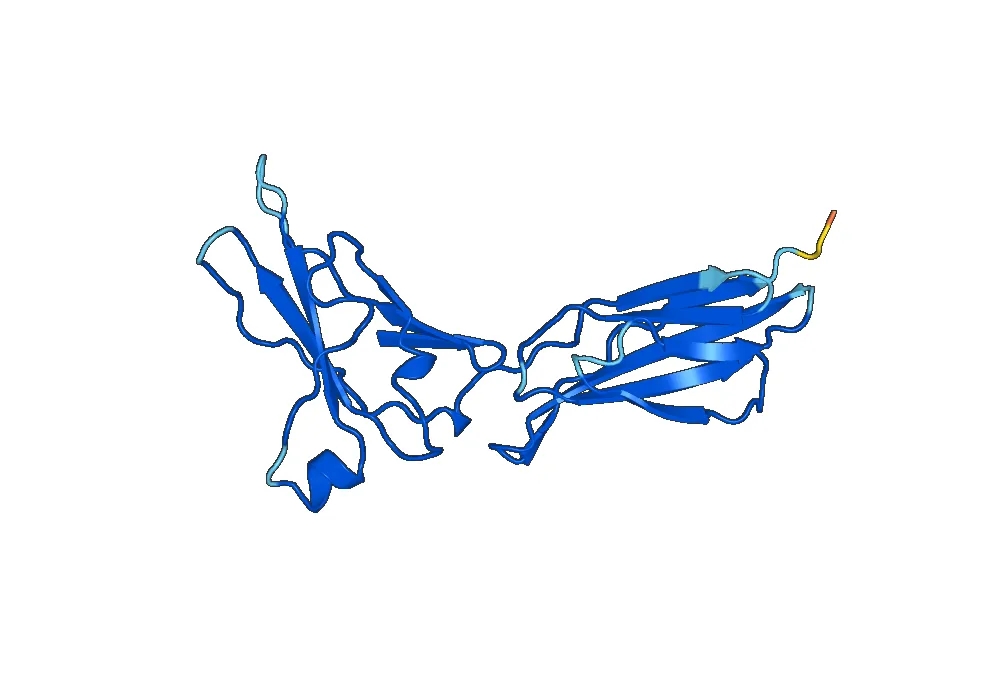
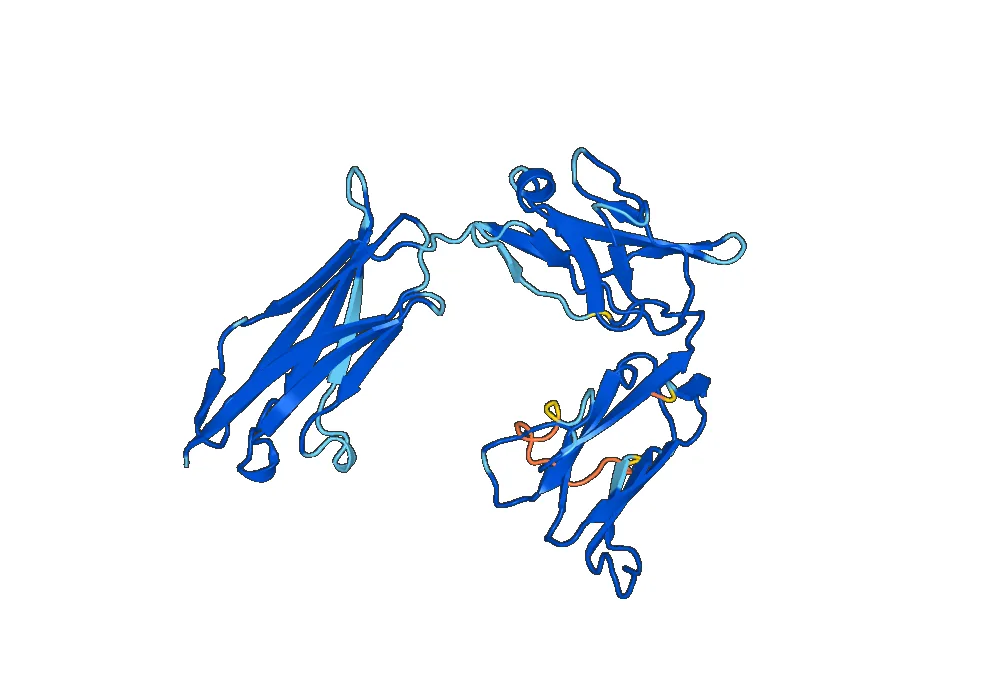
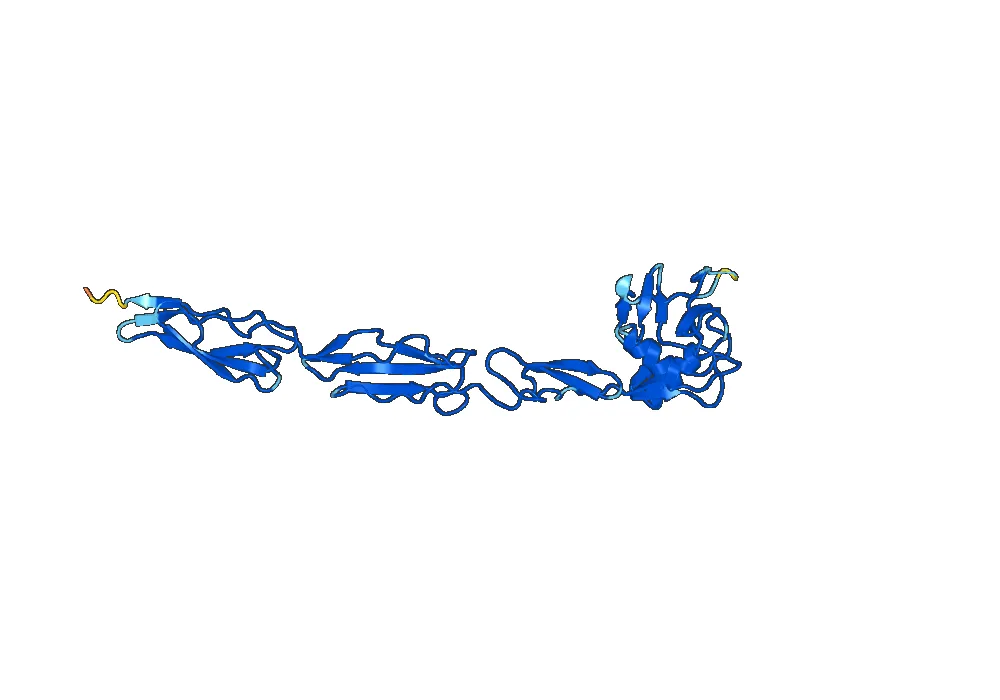
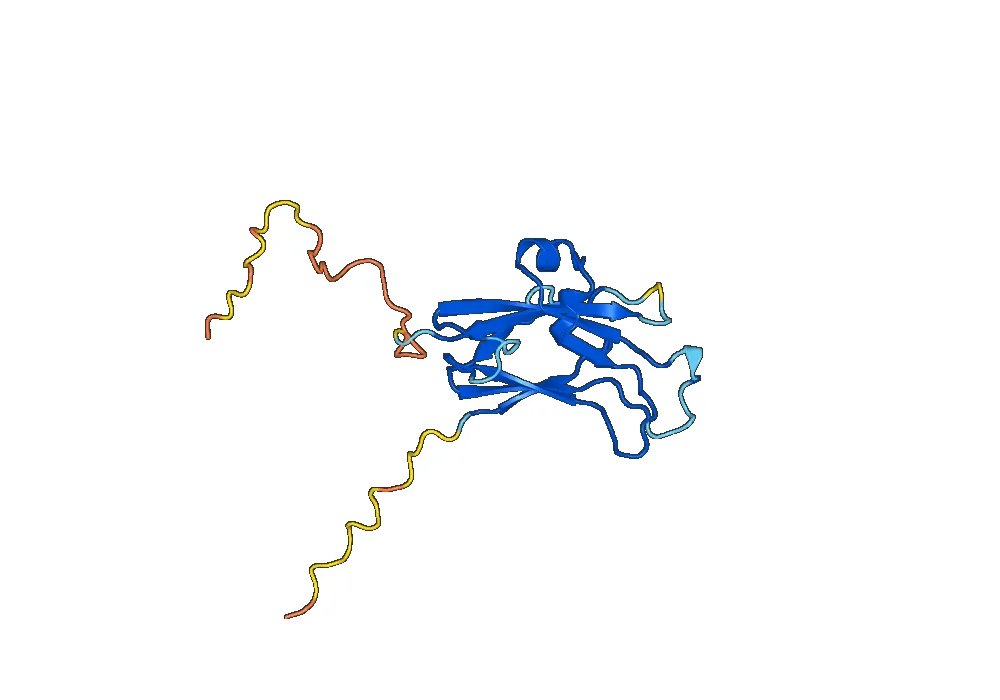
rCER1 is a 30 kDa protein that is composed of 267 amino acids. It has a conserved cysteine-rich domain, which is responsible for its biological activity. This domain is highly similar to other members of the Cerberus/Dan family, such as Cerberus 1 and 2, and DAN (differential screening-selected gene aberrative in neuroblastoma). rCER1 also has a signal peptide at its N-terminus, which is responsible for its secretion into the extracellular space.
Activity of rCER1
rCER1 is a secreted protein that acts as an antagonist of the transforming growth factor-beta (TGF-β) signaling pathway. It binds to and inhibits the activity of TGF-β ligands, such as TGF-β1, TGF-β2, and TGF-β3. This activity is mediated by its cysteine-rich domain, which interacts with the TGF-β receptors and prevents the downstream signaling cascade. This results in the inhibition of TGF-β-induced cell growth, differentiation, and migration.
Applications of rCER1
1. Developmental Biology
rCER1 has been extensively studied in the field of developmental biology due to its role in embryonic development. It has been shown to be involved in the regulation of mesoderm formation and patterning during early embryonic development. In addition, rCER1 has been found to play a crucial role in the development of the nervous system, particularly in the formation of the forebrain and midbrain.
2. Cancer Research
The TGF-β signaling pathway is known to play a significant role in cancer development and progression. As rCER1 acts as an antagonist of this pathway, it has been studied as a potential therapeutic target for cancer treatment. In particular, rCER1 has shown promising results in inhibiting the growth and metastasis of breast cancer cells. It has also been found to sensitize cancer cells to chemotherapy drugs, making it a potential adjuvant therapy for cancer treatment.
3. Regenerative Medicine
Due to its role in regulating cell differentiation, rCER1 has been studied for its potential applications in regenerative medicine. It has been shown to promote the differentiation of mesenchymal stem cells into bone-forming cells, making it a potential therapeutic agent for bone regeneration. In addition, rCER1 has also been found to enhance the differentiation of neural stem cells into neurons, which could have implications in treating neurodegenerative diseases.
4. Immunology
rCER1 has also been studied in the field of immunology, particularly in the context of autoimmune diseases. As TGF-β is known to play a role in the development of autoimmune diseases, rCER1 has been investigated as a potential therapeutic agent for inhibiting TGF-β signaling and reducing inflammation. It has shown promising results in animal models of autoimmune diseases, such as rheumatoid arthritis and multiple sclerosis.
Conclusion
In summary, rCER1 is a recombinant protein with a conserved cysteine-rich domain that acts as an antagonist of the TGF-β signaling pathway. It has various applications in developmental biology, cancer research, regenerative medicine, and immunology. Further studies on rCER1 and its mechanisms of action could potentially lead to the development of novel therapies for various diseases.


There are no reviews yet.