Introduction
Recombinant Mouse CD159a/KLRC1 Protein, also known as killer cell lectin-like receptor subfamily C member 1, is a type II transmembrane protein that plays a critical role in the innate immune response. This protein is encoded by the KLRC1 gene and is expressed on the surface of natural killer (NK) cells and some T-cell subsets. In this article, we will discuss the structure, activity, and application of recombinant Mouse CD159a/KLRC1 Protein.
Structure of Recombinant Mouse CD159a/KLRC1 Protein
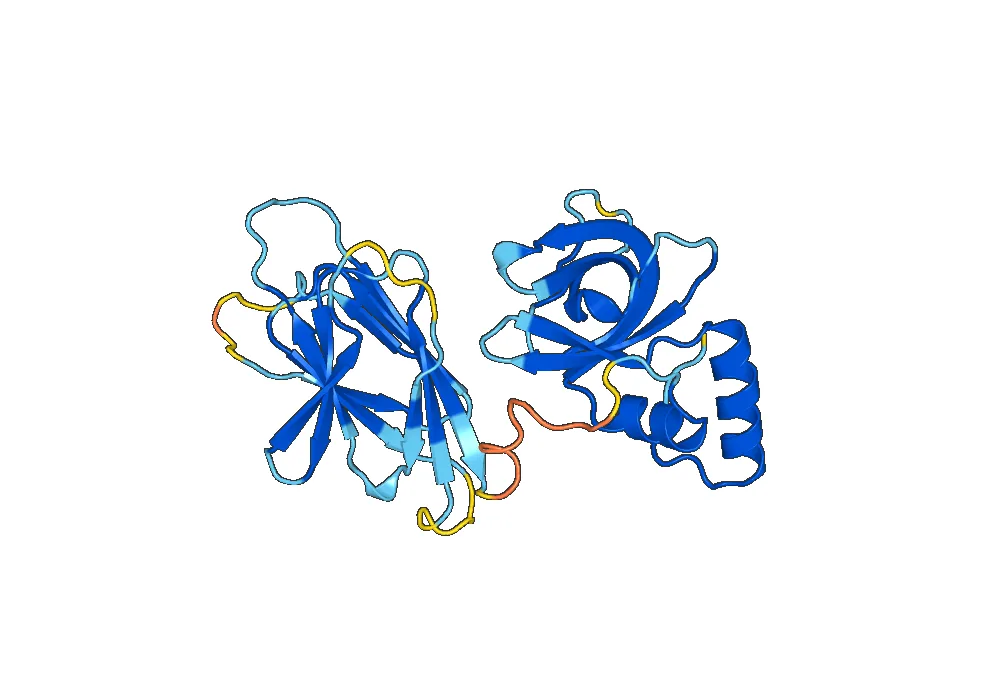
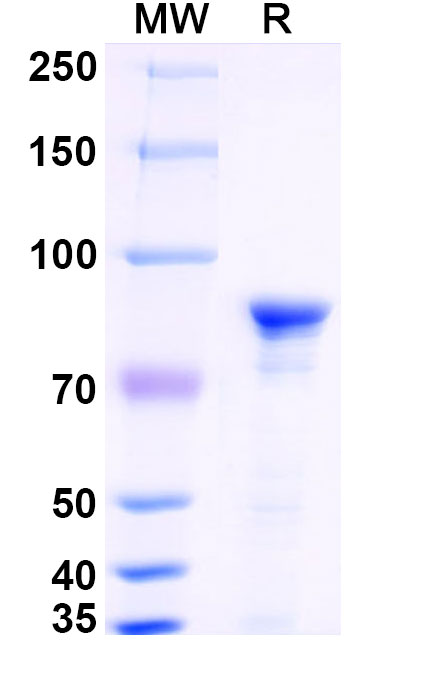
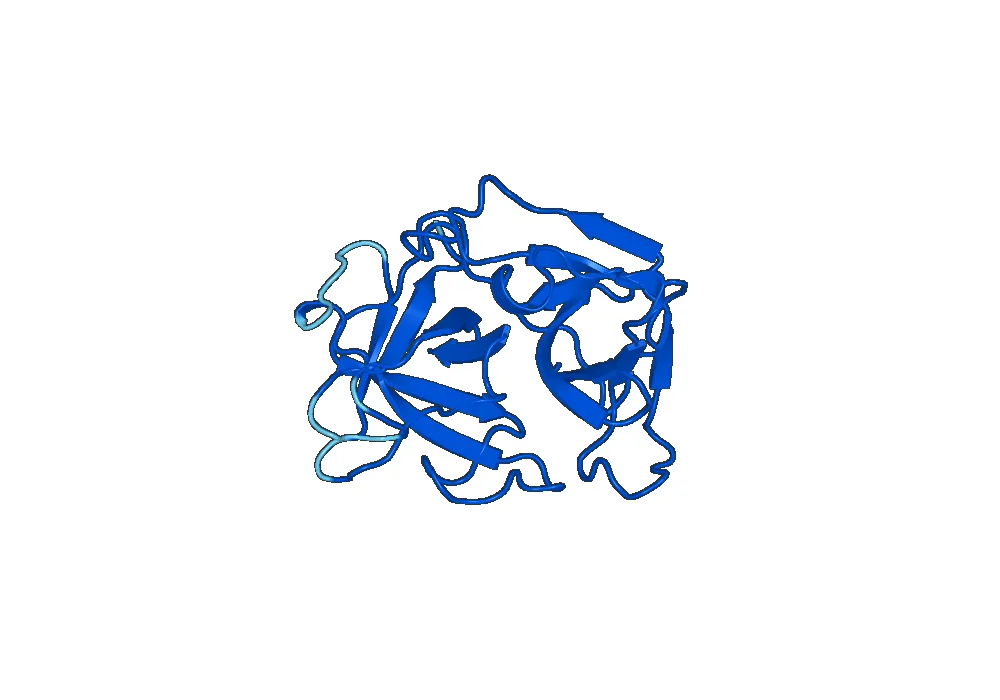
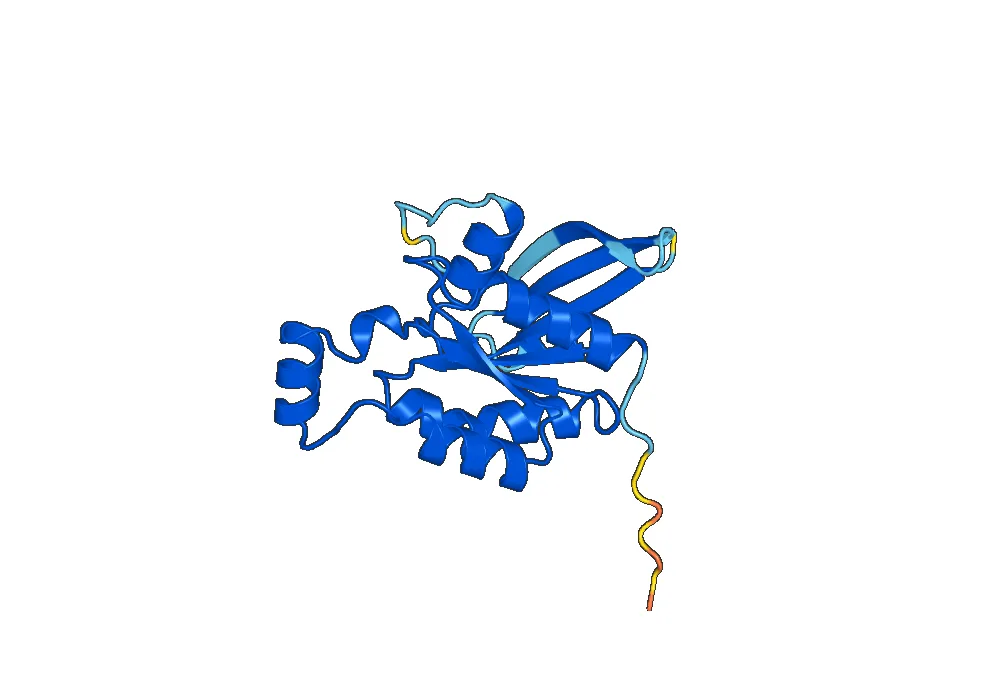
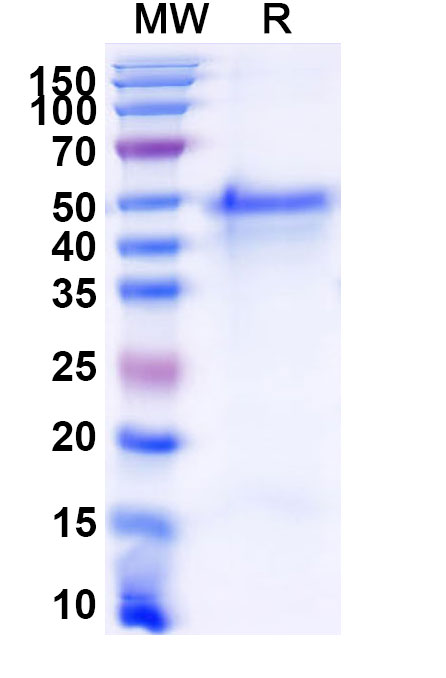
Recombinant Mouse CD159a/KLRC1 Protein is a 28 kDa glycoprotein that belongs to the C-type lectin superfamily. It is composed of a single extracellular C-type lectin-like domain, a transmembrane region, and a short cytoplasmic tail. The extracellular domain contains a calcium-dependent carbohydrate recognition domain (CRD), which is responsible for binding to specific carbohydrate structures on target cells.
Activity of Recombinant Mouse CD159a/KLRC1 Protein
Recombinant Mouse CD159a/KLRC1 Protein is primarily expressed on the surface of NK cells and plays a crucial role in regulating their activity. NK cells are a type of cytotoxic lymphocytes that play a critical role in the innate immune response against infected or cancerous cells. CD159a/KLRC1 is an activating receptor that recognizes specific carbohydrate structures on target cells and triggers the activation of NK cells. This, in turn, leads to the release of cytotoxic granules and the induction of cell death in the target cells.
In addition to its role in NK cell activation, Recombinant Mouse CD159a/KLRC1 Protein has also been shown to have a regulatory function in T-cell activation. It has been reported that CD159a/KLRC1 can bind to specific ligands on T-cells, leading to the inhibition of their activation and proliferation. This suggests that CD159a/KLRC1 may play a role in maintaining the balance between the activation and suppression of the immune response.
Application of Recombinant Mouse CD159a/KLRC1 Protein
Recombinant Mouse CD159a/KLRC1 Protein has a wide range of applications in both research and clinical settings. One of the most common uses of this protein is in the study of NK cell biology. By using recombinant CD159a/KLRC1, researchers can investigate the role of this protein in NK cell activation and its interaction with target cells.
In addition to research, Recombinant Mouse CD159a/KLRC1 Protein has potential clinical applications. As NK cells play a critical role in the immune response against cancer, CD159a/KLRC1 has been studied as a potential target for cancer immunotherapy. By targeting CD159a/KLRC1, it is possible to enhance the activity of NK cells and improve their ability to kill cancer cells. This approach has shown promising results in preclinical studies and is currently being investigated in clinical trials.
Moreover, Recombinant Mouse CD159a/KLRC1 Protein can also be used as a diagnostic tool for certain diseases. As CD159a/KLRC1 is expressed on the surface of NK cells, its levels can be measured in blood samples to assess the activity of NK cells. This can be useful in diagnosing and monitoring diseases that involve NK cell dysfunction, such as autoimmune disorders and viral infections.
Conclusion
In summary, Recombinant Mouse CD159a/KLRC1 Protein is a key player in the innate immune response. Its structure, activity, and applications make it a valuable tool for studying NK cell biology and potential therapeutic target for cancer immunotherapy. With ongoing research and clinical trials, this protein holds great promise for improving our understanding and treatment of various diseases.


There are no reviews yet.