Introduction to Recombinant Mouse CCL11/Eotaxin Protein
Recombinant Mouse CCL11/Eotaxin Protein, also known as Eotaxin-1, is a cytokine belonging to the CC chemokine family. It is produced by various cell types, including epithelial cells, fibroblasts, and macrophages, in response to inflammatory stimuli. This protein plays a crucial role in the recruitment and activation of eosinophils, a type of white blood cell involved in allergic reactions and parasitic infections. In this article, we will discuss the structure, activity, and applications of Recombinant Mouse CCL11/Eotaxin Protein.
Structure of Recombinant Mouse CCL11/Eotaxin Protein
Recombinant Mouse CCL11/Eotaxin Protein is a small protein consisting of 74 amino acids with a molecular weight of approximately 8.5 kDa. It is produced by recombinant DNA technology in a variety of expression systems, including bacteria, yeast, and mammalian cells. The recombinant protein is then purified to remove any impurities, ensuring a high-quality and biologically active product.
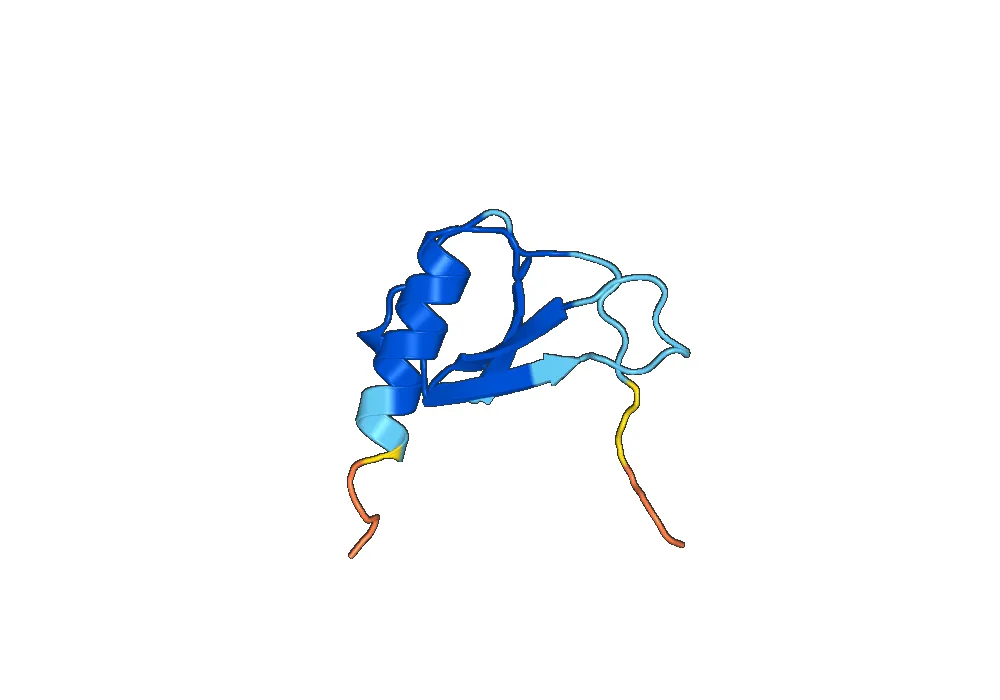
The crystal structure of Recombinant Mouse CCL11/Eotaxin Protein has been determined, revealing a monomeric structure with a characteristic three-dimensional fold of CC chemokines. It consists of a three-stranded anti-parallel beta-sheet and a C-terminal alpha-helix, connected by three disulfide bonds. These structural features are essential for the biological activity of the protein.
Activity of Recombinant Mouse CCL11/Eotaxin Protein
Recombinant Mouse CCL11/Eotaxin Protein acts as a chemoattractant for eosinophils, monocytes, and T cells by binding to its specific receptor, CCR3. This binding triggers a cascade of signaling events, leading to the migration of these immune cells to the site of inflammation. In addition to its chemotactic activity, Recombinant Mouse CCL11/Eotaxin Protein also induces the activation and degranulation of eosinophils, resulting in the release of inflammatory mediators such as cytokines, chemokines, and enzymes.
The activity of Recombinant Mouse CCL11/Eotaxin Protein is tightly regulated by various mechanisms. It can be inhibited by other chemokines, such as CCL5/RANTES and CXCL10/IP-10, which compete for binding to CCR3. Moreover, the activity of this protein can be modulated by glycosaminoglycans, which can either enhance or inhibit its binding to CCR3.
Applications of Recombinant Mouse CCL11/Eotaxin Protein
Recombinant Mouse CCL11/Eotaxin Protein has a wide range of applications in both research and clinical settings. In basic research, it is used to study the role of eosinophils in various diseases, including asthma, allergic rhinitis, and parasitic infections. It is also used to investigate the mechanisms of chemokine signaling and the regulation of immune cell migration.
In clinical applications, Recombinant Mouse CCL11/Eotaxin Protein has been evaluated as a potential therapeutic target for eosinophilic disorders. For instance, blocking the activity of this protein with specific antibodies has shown promising results in the treatment of eosinophilic esophagitis, a chronic inflammatory disease of the esophagus. Moreover, the measurement of CCL11 levels in patient samples has been proposed as a biomarker for the diagnosis and monitoring of eosinophilic diseases.
Conclusion
In summary, Recombinant Mouse CCL11/Eotaxin Protein is a small cytokine with a crucial role in the recruitment and activation of eosinophils. Its structure and activity have been extensively studied, and it has a wide range of applications in both research and clinical settings. Further research on this protein may lead to the development of novel therapies for
There are no reviews yet.