Introduction
Recombinant Human ZNF671 Protein is a type of protein that is produced through genetic engineering techniques. This protein is derived from the ZNF671 gene, which is located on chromosome 19 in humans. It is a zinc finger protein that plays a crucial role in various biological processes such as gene regulation, cell proliferation, and differentiation.
Structure of Recombinant Human ZNF671 Protein
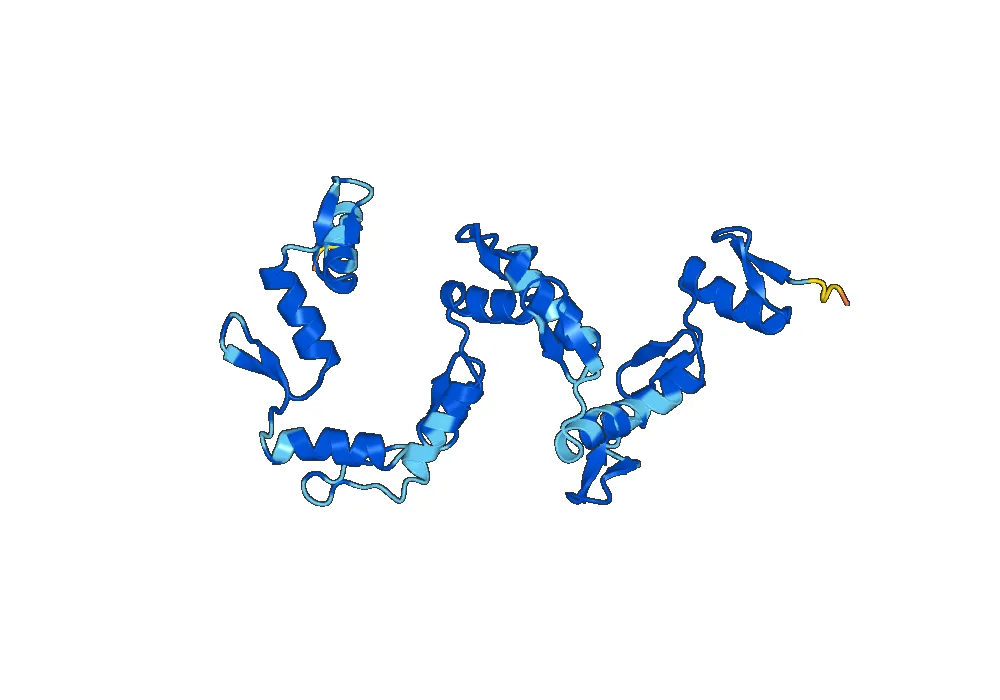
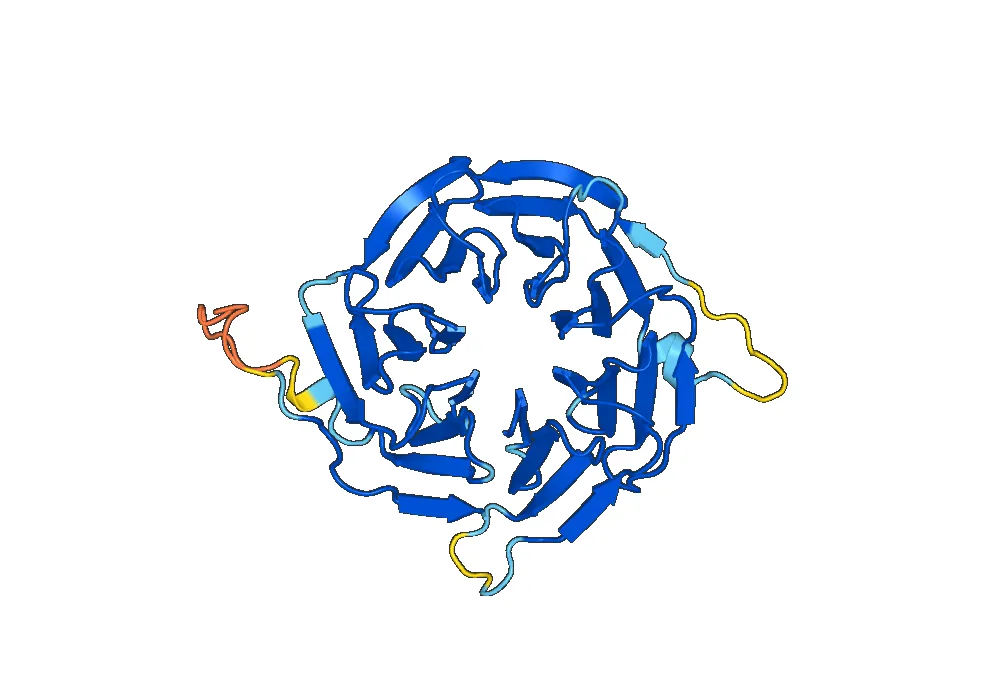
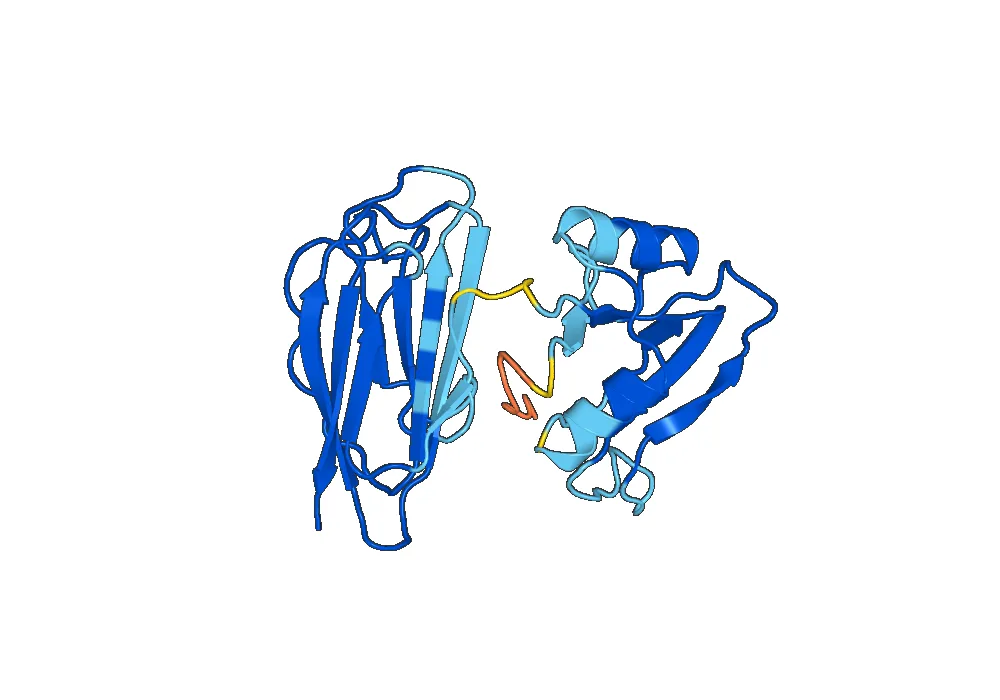
The structure of Recombinant Human ZNF671 Protein consists of 11 C2H2 zinc finger domains, which are responsible for its DNA binding activity. These zinc finger domains are connected by linker sequences, giving the protein a flexible and dynamic structure. The protein also contains a nuclear localization signal, which enables it to enter the nucleus and perform its functions.
Activity of Recombinant Human ZNF671 Protein
The main activity of Recombinant Human ZNF671 Protein is its ability to bind to specific DNA sequences and regulate gene expression. This protein acts as a transcription factor, meaning it can turn genes on or off by binding to specific DNA regions near the gene. It does so by recruiting other proteins and enzymes to the DNA, which can either promote or inhibit gene expression.
Additionally, Recombinant Human ZNF671 Protein has been shown to interact with other proteins involved in cell signaling pathways, suggesting a potential role in cell proliferation and differentiation. It has also been found to play a role in DNA repair and maintenance, further highlighting its importance in maintaining cellular homeostasis.
Application of Recombinant Human ZNF671 Protein
Due to its role in gene regulation and cellular processes, Recombinant Human ZNF671 Protein has various applications in both research and therapeutic settings. One of its main uses is in studying gene expression and understanding the mechanisms of how certain genes are turned on or off. This information can then be applied to develop new treatments for diseases caused by dysregulation of gene expression.
In addition, Recombinant Human ZNF671 Protein has been studied for its potential as a therapeutic target for cancer. It has been found to be overexpressed in certain types of cancer, and inhibiting its activity can lead to decreased cell proliferation and tumor growth. This makes it a promising target for the development of new cancer treatments.
Furthermore, Recombinant Human ZNF671 Protein has been used in the production of monoclonal antibodies, which are essential tools in biomedical research and diagnostic testing. By fusing the protein with a specific antigen, it can be used to generate highly specific and sensitive antibodies for a wide range of applications.
Conclusion
In summary, Recombinant Human ZNF671 Protein is a crucial protein involved in gene regulation and cellular processes. Its structure and activity make it a valuable tool in various research and therapeutic applications. Further studies on this protein may lead to new insights into its functions and potential uses in treating diseases.



There are no reviews yet.