Introduction
Recombinant Human VASN (Vascular Adhesion Protein-1) is a glycoprotein that plays a crucial role in the regulation of leukocyte recruitment and inflammation. It is a member of the immunoglobulin superfamily and is expressed on endothelial cells, platelets, and leukocytes. Recombinant Human VASN is produced through recombinant DNA technology and has a wide range of applications in both research and clinical settings.
Structure of Recombinant Human VASN
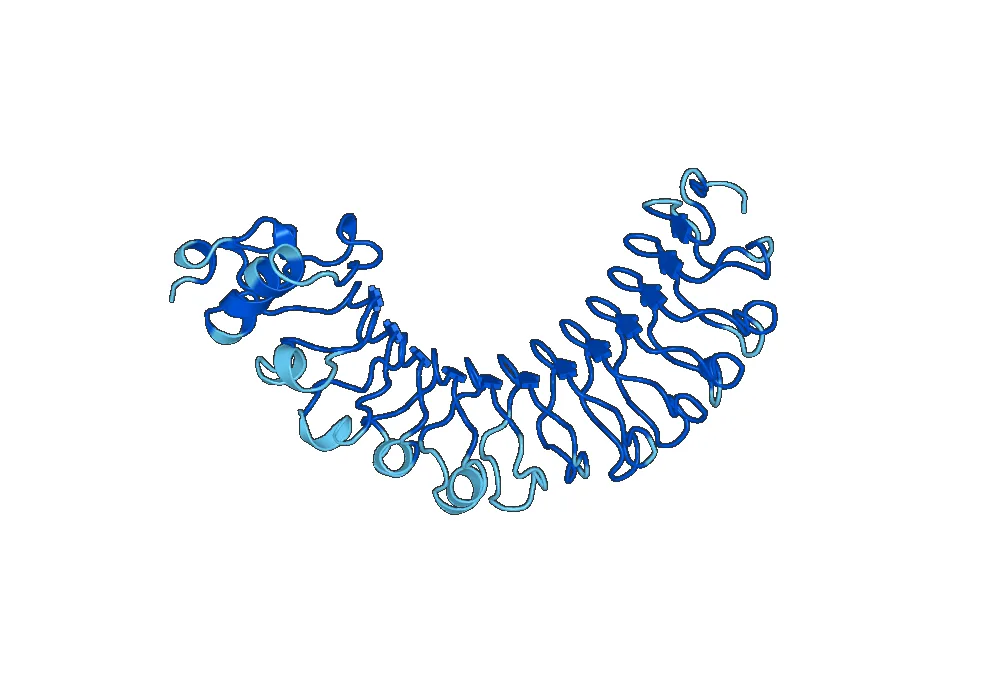
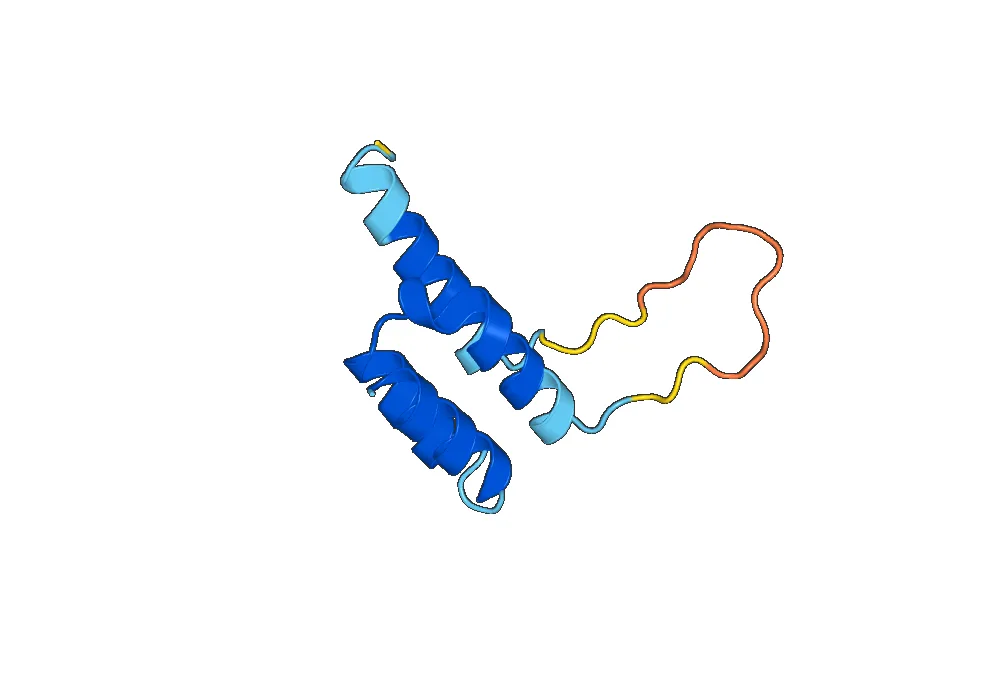
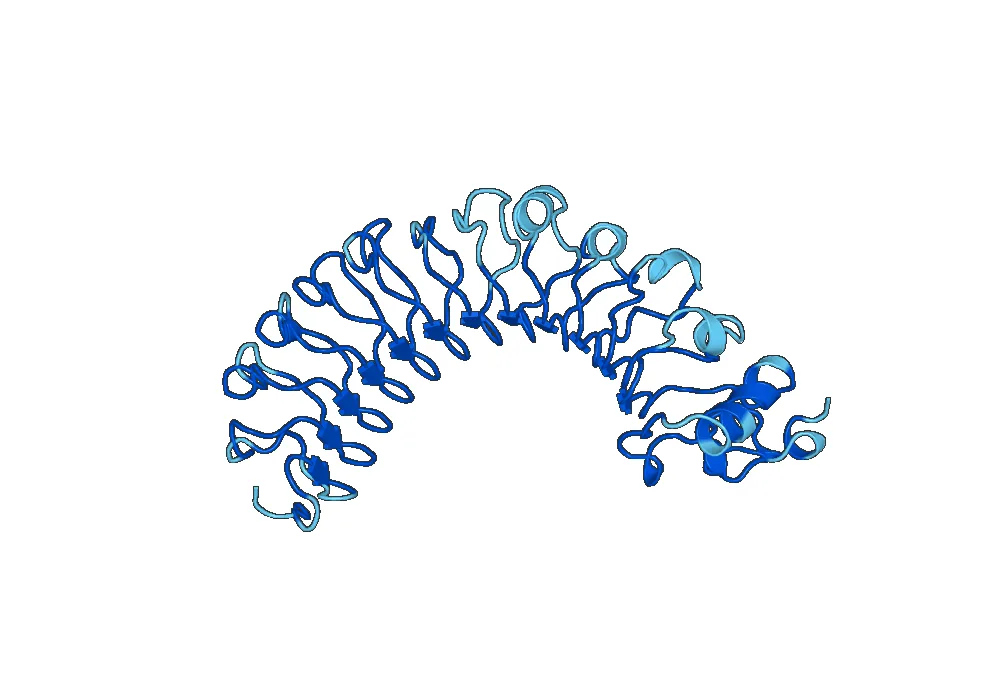
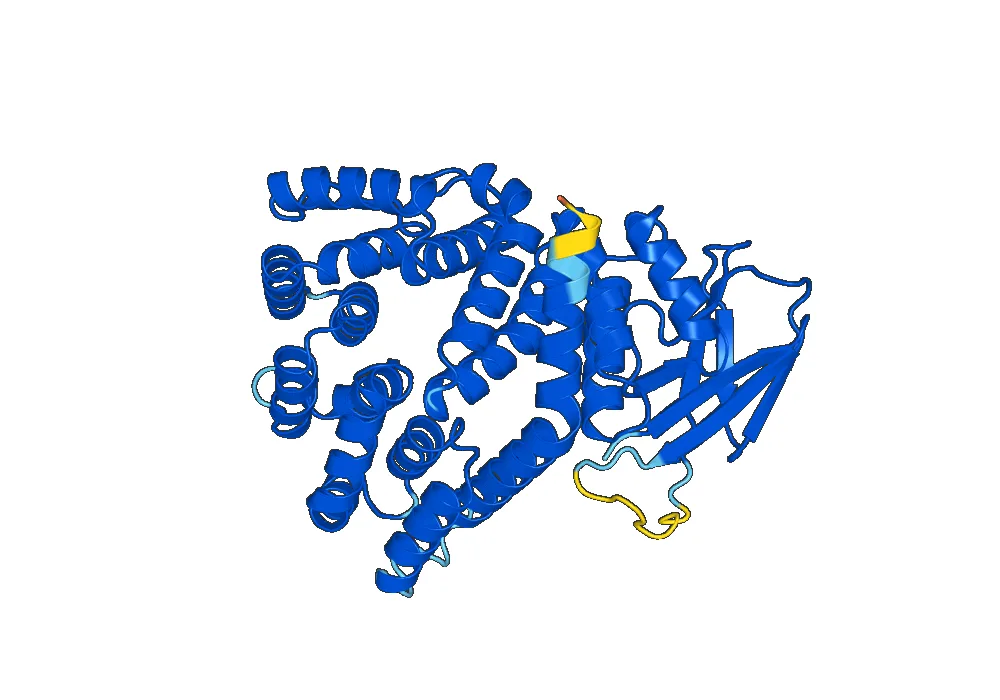
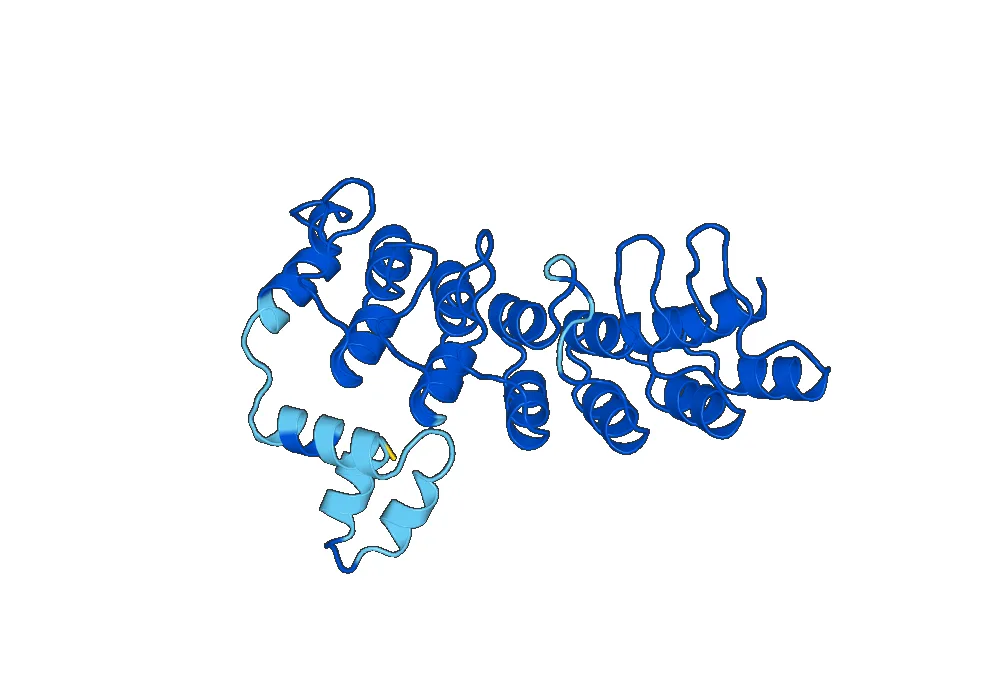
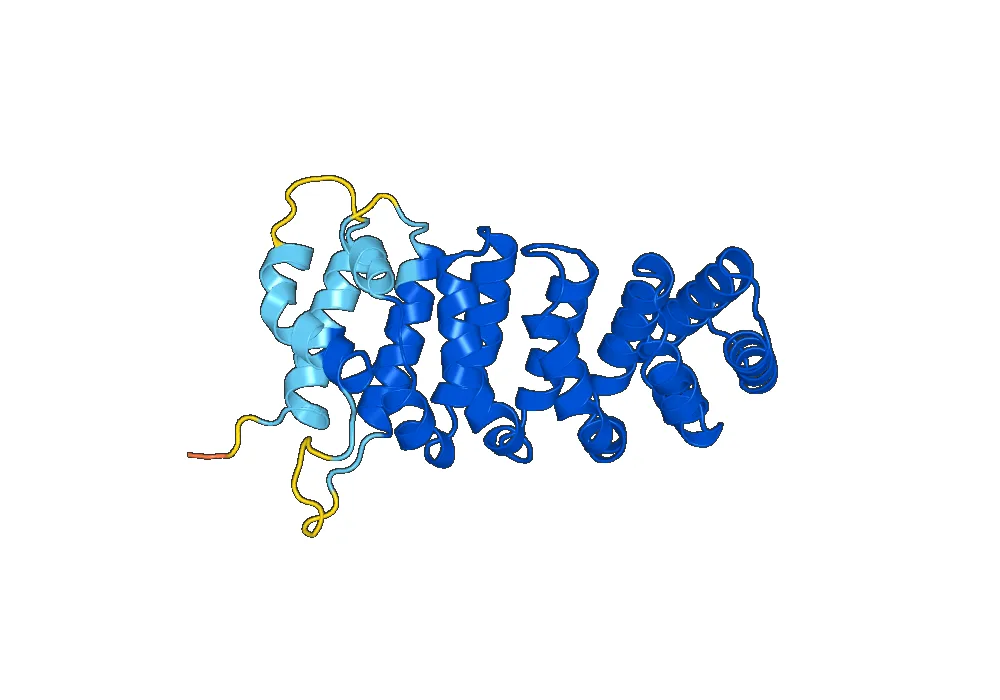
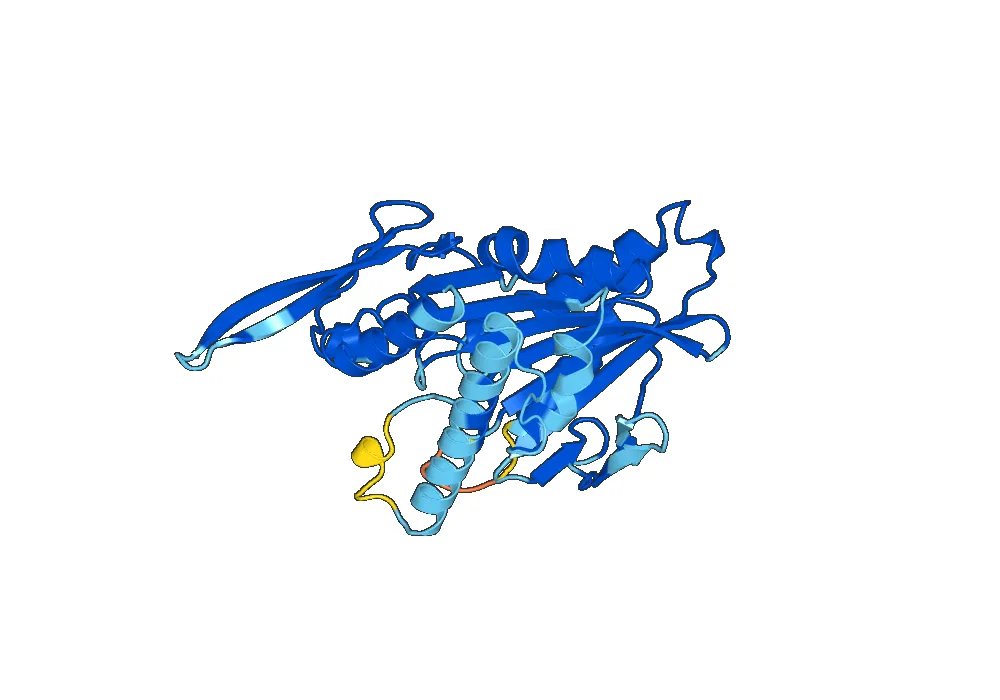
Recombinant Human VASN is a 140 kDa glycoprotein with a complex structure consisting of an extracellular region, a transmembrane domain, and a cytoplasmic tail. The extracellular region contains six immunoglobulin-like domains, which are responsible for the protein’s binding activity. The transmembrane domain anchors the protein to the cell membrane, while the cytoplasmic tail contains signaling motifs that regulate cellular processes.
Activity of Recombinant Human VASN
Recombinant Human VASN plays a crucial role in leukocyte recruitment and inflammation. It acts as an adhesion molecule, mediating the interaction between leukocytes and endothelial cells. This interaction is essential for the recruitment of leukocytes to sites of inflammation and infection. Recombinant Human VASN also plays a role in leukocyte transmigration through the endothelium, a critical step in the inflammatory response.
Moreover, Recombinant Human VASN has been shown to modulate the activity of leukocytes. It can induce the production of pro-inflammatory cytokines and chemokines, as well as activate leukocytes to release reactive oxygen species. This activity makes Recombinant Human VASN an important regulator of the immune response.
Applications of Recombinant Human VASN
Recombinant Human VASN has a wide range of applications in both research and clinical settings. In research, it is used as a tool to study leukocyte recruitment and inflammation. Recombinant Human VASN can be used to investigate the role of adhesion molecules in various disease states, such as autoimmune disorders and cancer.
In clinical settings, Recombinant Human VASN has potential as a therapeutic agent. It has been shown to be involved in the pathogenesis of several diseases, making it a potential target for drug development. Additionally, Recombinant Human VASN can be used as a biomarker for various inflammatory conditions, providing a non-invasive method for disease diagnosis and monitoring.
Recombinant Human VASN as a Recombinant Protein
Recombinant Human VASN is produced through recombinant DNA technology, making it a recombinant protein. This technology involves inserting the gene encoding for VASN into a suitable expression system, such as bacteria or mammalian cells. The protein is then produced in large quantities and purified for use in research and clinical applications.
Antigenic Properties of Recombinant Human VASN
Recombinant Human VASN is an antigenic protein, meaning it can elicit an immune response in the body. This property makes it useful in the development of vaccines and immunotherapies. Recombinant Human VASN can be used as an antigen in vaccine formulations to induce an immune response against specific diseases, such as cancer. It can also be used as a target for immunotherapies, where the immune system is harnessed to target and eliminate cancer cells.
Conclusion
In summary, Recombinant Human VASN is a glycoprotein with a complex structure and a wide range of activities. It plays a crucial role in leukocyte recruitment and inflammation and has potential applications in both research and clinical settings. As a recombinant protein, it can be produced in large quantities for various purposes, including as an antigen for vaccine development. The diverse properties of Recombinant Human VASN make it a valuable tool in the study and treatment of various diseases.
There are no reviews yet.