Introduction to Recombinant Human UMPS Protein
Recombinant Human UMPS Protein, also known as Uridine Monophosphate Synthase (UMPS), is a key enzyme involved in the de novo pyrimidine biosynthesis pathway. This protein is responsible for the conversion of orotate to UMP, a crucial step in the production of RNA and DNA. Recombinant Human UMPS Protein is a highly purified and biologically active form of the enzyme, produced through genetic engineering techniques.
Structure of Recombinant Human UMPS Protein
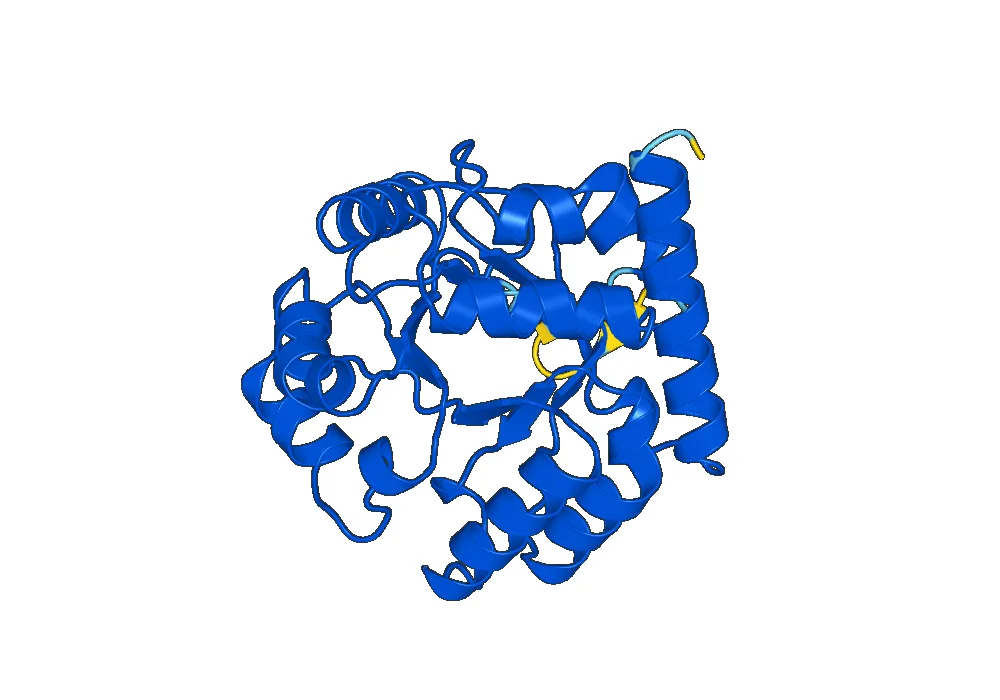
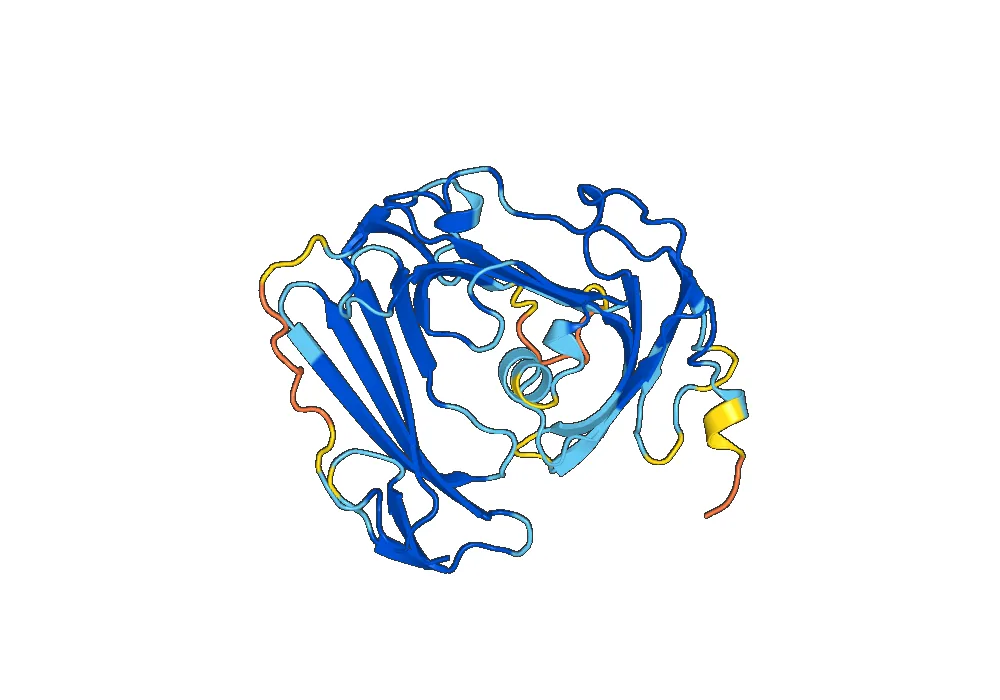
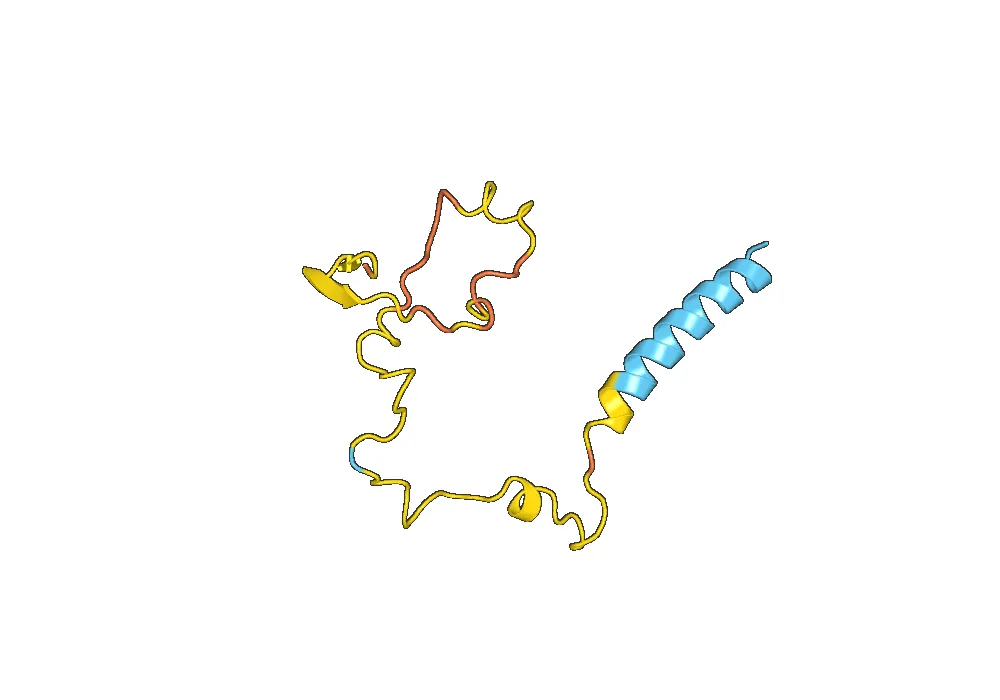
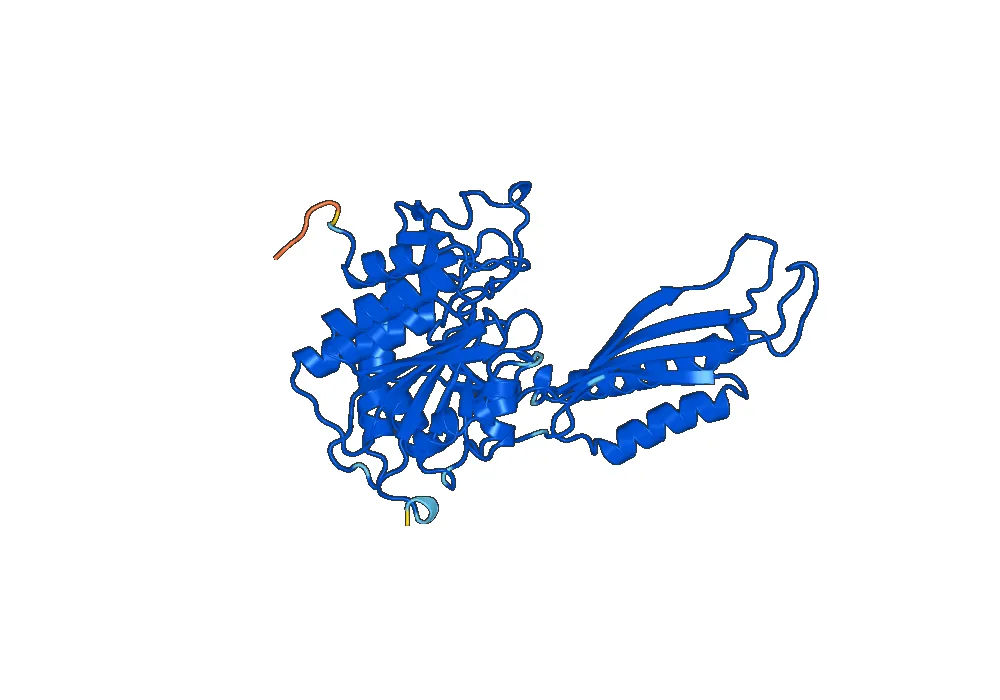
Recombinant Human UMPS Protein is a homodimer composed of two identical subunits, each with a molecular weight of approximately 55 kDa. The protein contains a catalytic domain and a regulatory domain, both of which are essential for its activity. The catalytic domain is responsible for the conversion of orotate to UMP, while the regulatory domain helps to maintain the stability and activity of the enzyme.
Activity of Recombinant Human UMPS Protein
Recombinant Human UMPS Protein is a highly active enzyme with a specific activity of approximately 1000 units/mg. It is able to efficiently convert orotate to UMP, using glutamine as a nitrogen donor. This reaction is essential for the production of pyrimidine nucleotides, which are crucial for cellular processes such as DNA and RNA synthesis.
The activity of Recombinant Human UMPS Protein is regulated by various factors, including the availability of substrates, the presence of allosteric effectors, and post-translational modifications. The enzyme is also subject to feedback inhibition by its end product, UMP, which helps to maintain the balance of pyrimidine nucleotides in the cell.
Applications of Recombinant Human UMPS Protein
Recombinant Human UMPS Protein has a wide range of applications in both research and industrial settings. Its ability to efficiently produce UMP makes it a valuable tool for studying the de novo pyrimidine biosynthesis pathway. The enzyme can also be used in the production of nucleotides for use in various biotechnological processes.
One of the most significant applications of Recombinant Human UMPS Protein is in the treatment of cancer. The enzyme is a target for certain chemotherapeutic agents, which inhibit its activity and ultimately lead to cell death. Recombinant Human UMPS Protein can also be used in the development of new anti-cancer drugs, as it plays a crucial role in the proliferation of cancer cells.
In addition, Recombinant Human UMPS Protein has potential applications in the treatment of metabolic disorders such as Lesch-Nyhan syndrome, a rare genetic disorder caused by a deficiency of the enzyme. The use of recombinant protein therapy has shown promising results in pre-clinical studies and may offer a potential treatment for this and other metabolic disorders.
Conclusion
In summary, Recombinant Human UMPS Protein is a highly active and biologically significant enzyme involved in the de novo pyrimidine biosynthesis pathway. Its structure, activity, and applications make it a valuable tool in various fields of research and industry, particularly in the development of cancer treatments and potential therapies for metabolic disorders. Further studies on this enzyme may lead to a better understanding of its role in cellular processes and the development of new therapeutic strategies.


There are no reviews yet.