Introduction
Recombinant Human ULBP1 Protein, also known as UL16-binding protein 1, is a member of the ULBP family of proteins. It is a type I transmembrane protein that plays a crucial role in the immune response by acting as a ligand for the NKG2D receptor on natural killer (NK) cells and cytotoxic T cells. This interaction leads to the activation of these cells and the elimination of infected or cancerous cells. In this article, we will discuss the structure, activity, and applications of Recombinant Human ULBP1 Protein.
Structure of Recombinant Human ULBP1 Protein
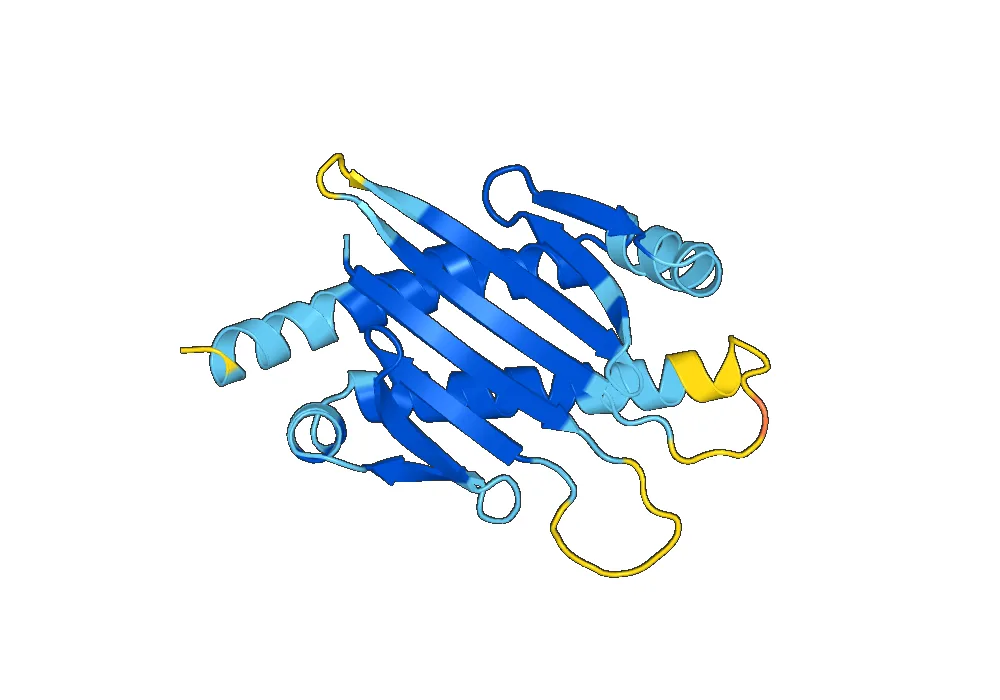
The gene encoding ULBP1 is located on chromosome 6 in humans and consists of 6 exons. The mature protein has a length of 233 amino acids and a molecular weight of approximately 31 kDa. It is composed of a short cytoplasmic tail, a transmembrane domain, and an extracellular domain. The extracellular domain contains three immunoglobulin-like domains, which are responsible for binding to the NKG2D receptor.
Activity of Recombinant Human ULBP1 Protein
Recombinant Human ULBP1 Protein has been shown to have potent immune-stimulating activity. It acts as a ligand for the NKG2D receptor, which is expressed on the surface of NK cells, T cells, and some subsets of γδ T cells. Upon binding of ULBP1 to NKG2D, a signaling cascade is initiated, leading to the activation of these immune cells. This activation results in the release of cytokines and chemokines, which recruit other immune cells to the site of infection or tumor. Additionally, ULBP1-NKG2D interaction leads to the direct killing of infected or cancerous cells by NK cells and cytotoxic T cells.
Applications of Recombinant Human ULBP1 Protein
Recombinant Human ULBP1 Protein has a wide range of applications in both research and clinical settings. Some of the major applications are listed below:
1. Immunotherapy
The potent immune-stimulating activity of Recombinant Human ULBP1 Protein makes it a promising candidate for immunotherapy. It can be used to enhance the immune response against cancer cells or viral infections. Several studies have shown that ULBP1-NKG2D interaction can lead to the elimination of various types of cancer cells, including melanoma, leukemia, and breast cancer. Therefore, Recombinant Human ULBP1 Protein can be used in combination with other immunotherapies to improve their efficacy.
2. Diagnostic tool
The expression of ULBP1 is upregulated in various types of cancer, making it a potential biomarker for cancer diagnosis. Recombinant Human ULBP1 Protein can be used in diagnostic tests to detect the presence of ULBP1 in patient samples, which can aid in the early detection of cancer.
3. Research tool
Recombinant Human ULBP1 Protein is widely used as a research tool to study the immune response and the role of ULBP1 in various diseases. It can be used to investigate the mechanism of action of ULBP1 and its interaction with the NKG2D receptor. Additionally, Recombinant Human ULBP1 Protein can be used to screen for potential drugs that can modulate the ULBP1-NKG2D pathway.
4. Vaccine adjuvant
Recombinant Human ULBP1 Protein has been shown to enhance the immune response against vaccines when used as an adjuvant. It can be used to improve the efficacy of vaccines against infectious diseases, such as influenza and hepatitis B.
Conclusion
In summary, Recombinant Human ULBP1 Protein is a crucial player in the immune response and has various applications in research and clinical settings. Its potent immune-stimulating activity and potential as a biomarker make it a promising candidate for immunotherapy and diagnostic tools

There are no reviews yet.