Introduction
Recombinant Human TRIM9 Protein is a highly versatile and important protein in the field of molecular biology. It is a member of the tripartite motif (TRIM) protein family, which plays a crucial role in regulating various cellular processes such as protein degradation, cell signaling, and innate immunity. In this article, we will provide a detailed description of the structure, activity, and application of Recombinant Human TRIM9 Protein.
Structure of Recombinant Human TRIM9 Protein
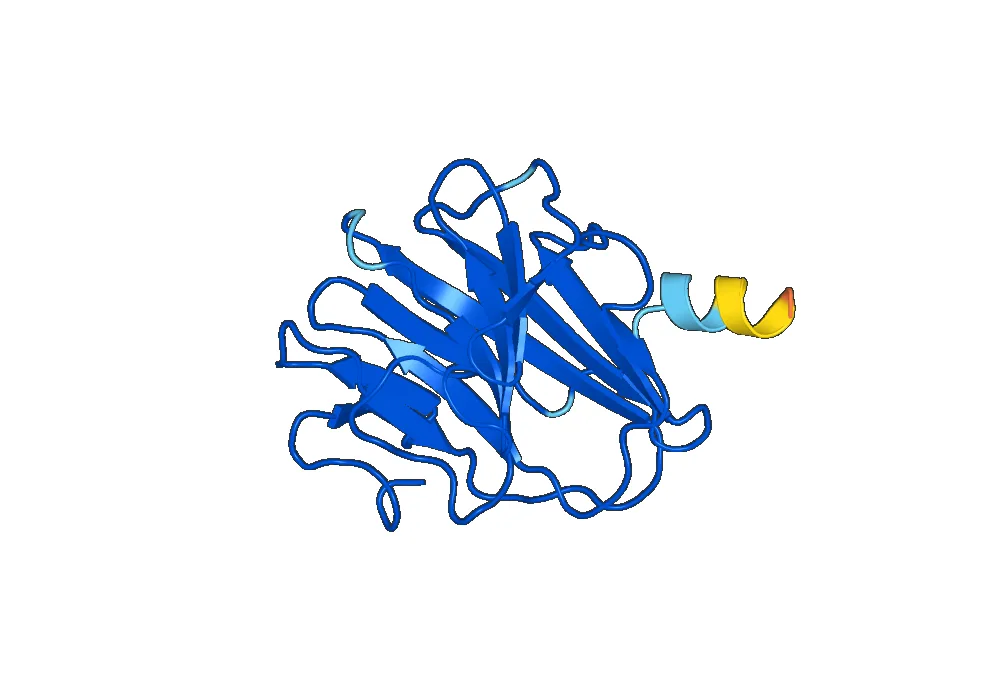
The gene encoding for TRIM9 is located on chromosome 11 in humans and is composed of 12 exons. The protein itself is composed of 861 amino acids and has a predicted molecular weight of approximately 97 kDa. It contains a tripartite motif consisting of a RING domain, B-box domain, and coiled-coil domain, which are characteristic of all TRIM proteins. These domains are involved in protein-protein interactions and are essential for the function of TRIM9.
Additionally, Recombinant Human TRIM9 Protein contains a C-terminal PRY-SPRY domain, which is unique to TRIM9 and is responsible for its substrate specificity. This domain is involved in the recognition and binding of specific target proteins, making TRIM9 a highly specific and selective protein.
Activity of Recombinant Human TRIM9 Protein
Recombinant Human TRIM9 Protein has been shown to have multiple functions in various cellular processes. One of its main activities is its role in protein degradation. TRIM9 has been found to act as an E3 ubiquitin ligase, which is responsible for tagging proteins with ubiquitin for degradation by the proteasome. This function is crucial for maintaining cellular homeostasis and regulating the levels of various proteins within the cell.
In addition to its role in protein degradation, Recombinant Human TRIM9 Protein also plays a role in cell signaling. It has been shown to interact with and regulate the activity of several signaling proteins, including the tumor suppressor protein p53 and the transcription factor NF-κB. This highlights the importance of TRIM9 in regulating cellular processes and its potential role in disease development and progression.
Application of Recombinant Human TRIM9 Protein
The unique structure and activity of Recombinant Human TRIM9 Protein make it a valuable tool in various research applications. Its ability to act as an E3 ubiquitin ligase makes it an important protein in studying protein degradation pathways and identifying potential therapeutic targets for diseases associated with protein degradation dysregulation.
Furthermore, the specific binding and interaction of TRIM9 with target proteins make it a useful tool in studying protein-protein interactions and identifying novel signaling pathways. This can aid in understanding disease mechanisms and developing targeted therapies.
Moreover, Recombinant Human TRIM9 Protein has potential diagnostic and prognostic applications. Its involvement in various cellular processes and its dysregulation in diseases such as cancer make it a potential biomarker for disease diagnosis and progression monitoring.
Conclusion
In summary, Recombinant Human TRIM9 Protein is a highly versatile and important protein in molecular biology. Its unique structure, activity, and potential applications make it a valuable tool in various research areas. Further studies on this protein may provide valuable insights into disease mechanisms and potential therapeutic targets for various diseases.


There are no reviews yet.