Introduction
Recombinant proteins are proteins that are produced through the use of recombinant DNA technology. These proteins are synthesized in host cells, such as bacteria or yeast, and are identical to the proteins found in nature. One such recombinant protein is the human TP53/p53 protein, which plays a crucial role in regulating cell growth and preventing tumor formation. In this article, we will discuss the structure, activity, and application of recombinant human TP53/p53 protein.
Structure of Recombinant Human TP53/p53 Protein
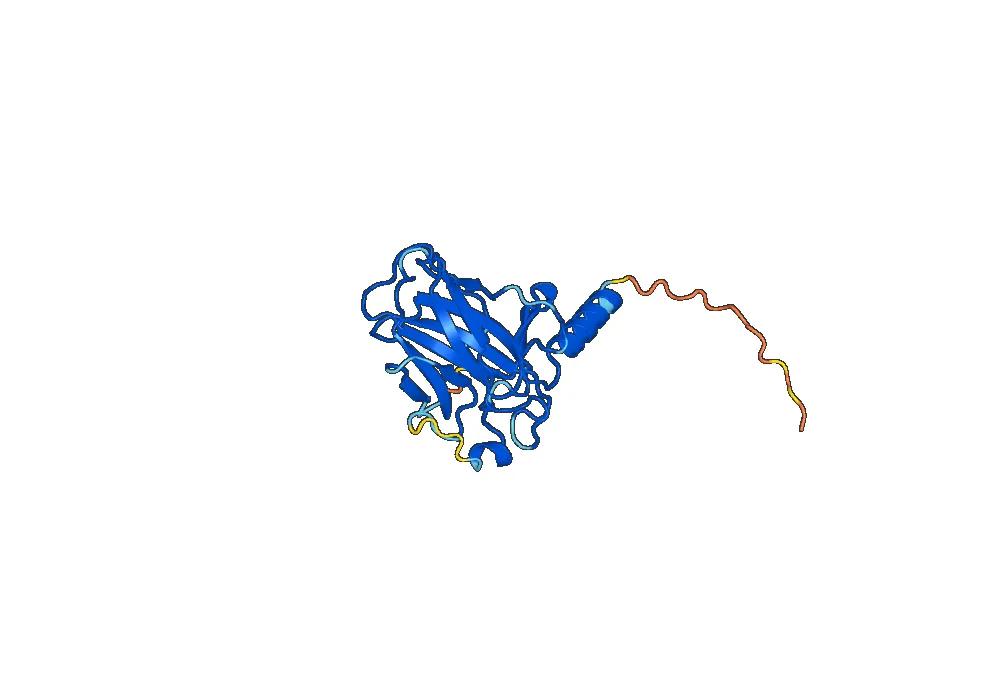
The TP53 gene, also known as the p53 gene, is located on chromosome 17 and encodes for the TP53 protein. This protein is composed of 393 amino acids and has a molecular weight of approximately 53 kDa. The recombinant human TP53/p53 protein is produced by inserting the TP53 gene into a host cell, which then synthesizes the protein using its own cellular machinery.
The structure of the recombinant human TP53/p53 protein is similar to that of the natural protein, consisting of four domains: the transactivation domain, the DNA-binding domain, the tetramerization domain, and the regulatory domain. The transactivation domain is responsible for activating the expression of genes involved in cell cycle arrest and apoptosis. The DNA-binding domain allows the protein to bind to specific DNA sequences, while the tetramerization domain helps in the formation of the active tetrameric form of the protein. The regulatory domain plays a role in regulating the activity of the protein.
Activity of Recombinant Human TP53/p53 Protein
The main function of the TP53 protein is to act as a tumor suppressor. It does so by regulating cell growth and division, repairing damaged DNA, and inducing apoptosis (programmed cell death) in cells with irreparable DNA damage. The recombinant human TP53/p53 protein has been shown to have similar activity to the natural protein, making it a valuable tool for studying the role of TP53 in cancer development and progression.
Moreover, the recombinant human TP53/p53 protein has been found to have additional activities, such as inhibiting angiogenesis (the formation of new blood vessels) and promoting immune response against cancer cells. These activities make it a promising candidate for cancer therapy.
Application of Recombinant Human TP53/p53 Protein
The recombinant human TP53/p53 protein has various applications in both research and medicine. In research, it is used to study the role of TP53 in cancer development and progression. It can also be used to screen for potential drugs that can activate or inhibit the activity of TP53.
In medicine, the recombinant human TP53/p53 protein is being investigated as a potential treatment for cancer. It can be used as a therapeutic agent to induce apoptosis in cancer cells or to inhibit angiogenesis. It can also be used in gene therapy to replace mutated or non-functional TP53 genes in cancer cells with the functional recombinant protein.
Conclusion
The recombinant human TP53/p53 protein is a valuable tool for studying the role of TP53 in cancer and for potential cancer therapies. Its structure, activity, and application make it a versatile protein with numerous research and medical applications. Further research and development of this protein may lead to new and improved treatments for cancer.

There are no reviews yet.