Introduction to Recombinant Human TMPRSS11E/DESC1 Protein
Recombinant Human TMPRSS11E/DESC1 Protein, also known as Transmembrane Protease, Serine 11E (TMPRSS11E) or Dermatopontin (DESC1), is a member of the type II transmembrane serine protease family. This protein is encoded by the TMPRSS11E gene and is primarily expressed in the skin, where it plays a crucial role in maintaining skin barrier function and regulating the immune response. Recombinant Human TMPRSS11E/DESC1 Protein is a highly purified form of this protein that is produced using recombinant DNA technology.
Structure of Recombinant Human TMPRSS11E/DESC1 Protein
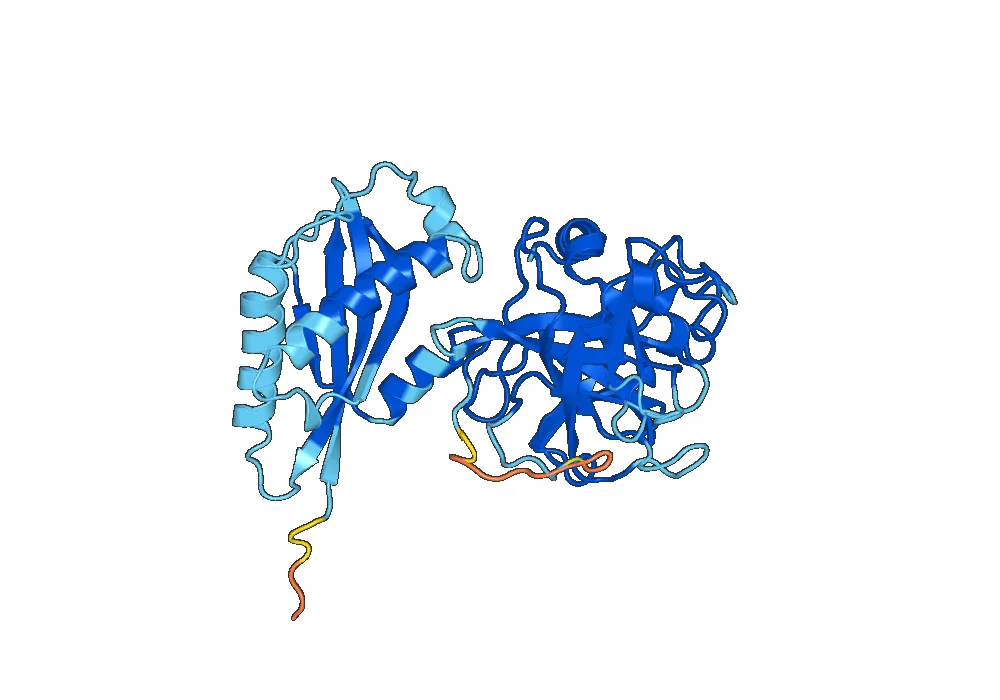
Recombinant Human TMPRSS11E/DESC1 Protein is a 385-amino acid protein with a molecular weight of approximately 43 kDa. It contains a signal peptide, a transmembrane domain, and a serine protease domain. The signal peptide allows for the protein to be transported to the cell membrane, while the transmembrane domain anchors it to the membrane. The serine protease domain is responsible for the enzymatic activity of the protein.
Activity of Recombinant Human TMPRSS11E/DESC1 Protein
Recombinant Human TMPRSS11E/DESC1 Protein is a serine protease that is involved in the proteolytic processing of various proteins. It is primarily expressed in the epidermis and is involved in the processing of desmoglein 1, a protein that plays a crucial role in maintaining the integrity of the skin barrier. This protease has also been shown to play a role in the activation of pro-inflammatory cytokines, such as interleukin-1β and tumor necrosis factor-α, in response to bacterial infection.
Application of Recombinant Human TMPRSS11E/DESC1 Protein
Recombinant Human TMPRSS11E/DESC1 Protein has various applications in the fields of dermatology and immunology. One of its main applications is in the study of skin barrier function and skin diseases. Studies have shown that mutations in the TMPRSS11E gene can lead to skin disorders such as ichthyosis and atopic dermatitis. Recombinant Human TMPRSS11E/DESC1 Protein can be used to study the role of this protease in these diseases and potentially develop new treatments.
In addition, Recombinant Human TMPRSS11E/DESC1 Protein has been studied for its potential as a diagnostic and therapeutic target in various skin diseases. It has been found to be upregulated in psoriasis, a chronic inflammatory skin disorder, and may play a role in the pathogenesis of the disease. Targeting this protease with specific inhibitors could potentially lead to the development of new treatments for psoriasis.
Moreover, Recombinant Human TMPRSS11E/DESC1 Protein has been shown to be involved in the immune response to bacterial infection. It has been found to activate pro-inflammatory cytokines, which are important for fighting off bacterial infections. This protein could potentially be used as a biomarker for bacterial infections and as a target for developing new antibacterial therapies.
Conclusion
In summary, Recombinant Human TMPRSS11E/DESC1 Protein is a serine protease that plays a crucial role in maintaining skin barrier function and regulating the immune response. It is highly expressed in the skin and has various applications in dermatology and immunology research. Its structure, activity, and potential applications make it a valuable tool for studying skin diseases and developing new treatments. Further research on this protein could lead to a better understanding of its role in various diseases and potentially pave the way for new therapeutic interventions.

There are no reviews yet.