Introduction to Recombinant Human TMLHE Protein
Recombinant Human TMLHE Protein is a highly purified and bioactive protein that is produced through recombinant DNA technology. This protein plays a crucial role in the metabolism of the amino acid L-carnitine, which is essential for energy production and fatty acid metabolism in the body. TMLHE stands for Trimethyllysine Hydroxylase, and this enzyme is responsible for converting trimethyllysine (TML) into hydroxytrimethyllysine (HTML), a key step in the L-carnitine biosynthetic pathway.
Structure of Recombinant Human TMLHE Protein
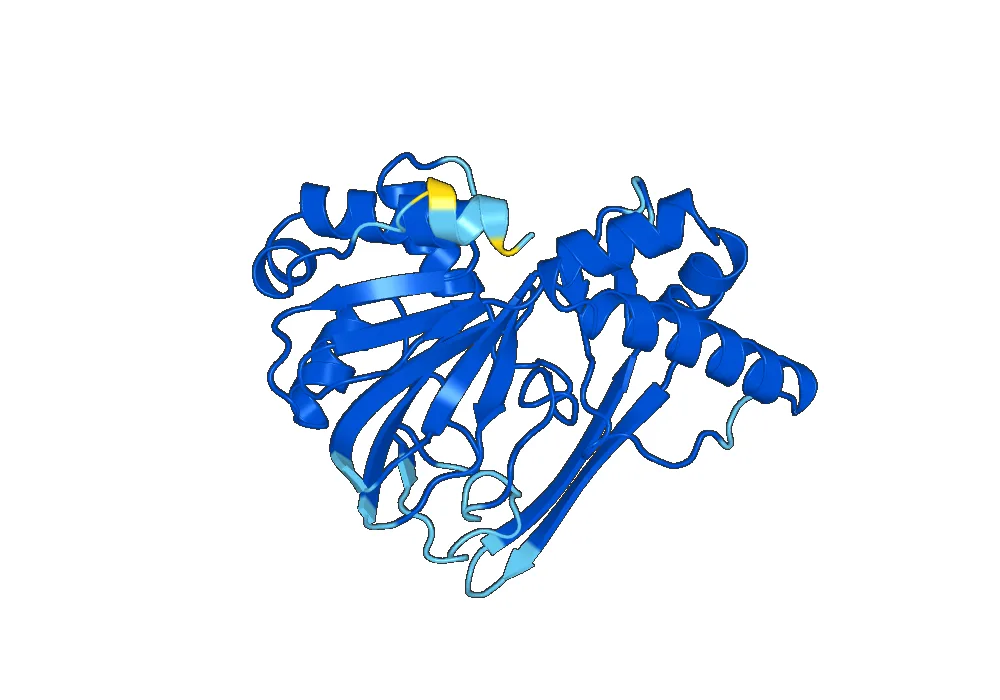
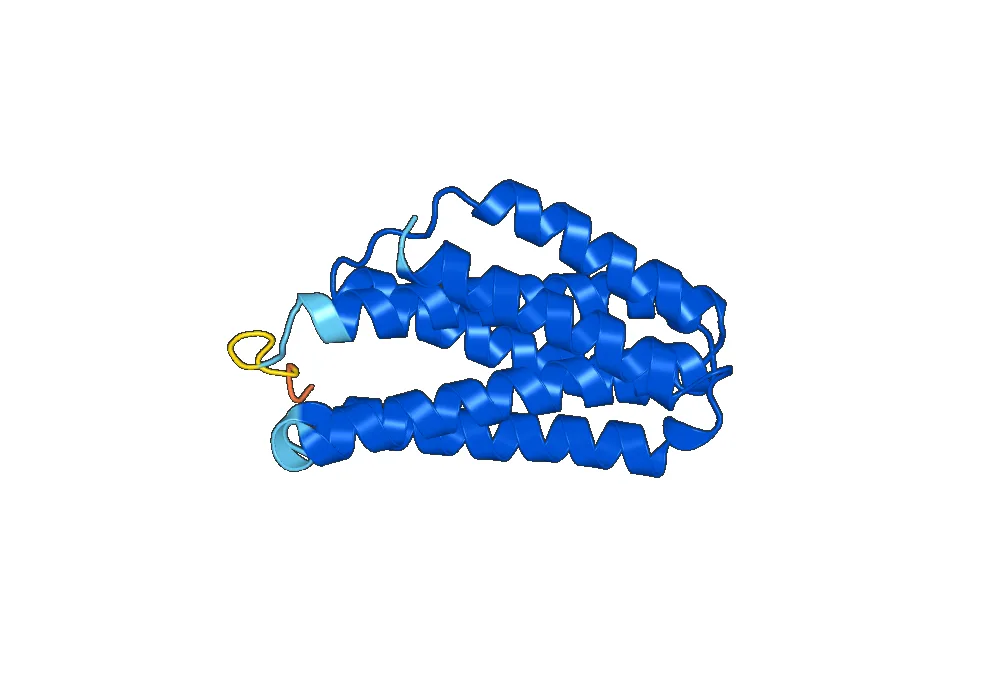
Recombinant Human TMLHE Protein is a 46 kDa protein consisting of 417 amino acids. It belongs to the Fe(II)/2-oxoglutarate-dependent dioxygenase family and contains a conserved catalytic domain that is essential for its enzymatic activity. The protein also contains a C-terminal transmembrane domain, which anchors it to the endoplasmic reticulum membrane, where it carries out its function.
Activity of Recombinant Human TMLHE Protein
The main activity of Recombinant Human TMLHE Protein is the hydroxylation of trimethyllysine, a byproduct of protein breakdown, to form hydroxytrimethyllysine. This reaction is essential for the biosynthesis of L-carnitine, which is a vital nutrient for energy production and fatty acid metabolism in the body. The hydroxylation reaction is catalyzed by the Fe(II)/2-oxoglutarate-dependent dioxygenase domain of the protein, which requires oxygen and 2-oxoglutarate as co-substrates.
In addition to its role in L-carnitine biosynthesis, Recombinant Human TMLHE Protein has also been shown to play a role in the regulation of cholesterol metabolism. It has been found that the protein can hydroxylate cholesterol intermediates, which may have implications in the development of atherosclerosis and other cardiovascular diseases.
Applications of Recombinant Human TMLHE Protein
Recombinant Human TMLHE Protein has a wide range of applications in both research and therapeutic settings. Some of the key applications include:
1. Study of L-carnitine metabolism
Recombinant Human TMLHE Protein is an essential tool for studying the biosynthesis of L-carnitine and its role in energy production and fatty acid metabolism. By inhibiting or overexpressing the protein, researchers can gain a better understanding of the biochemical pathways involved in L-carnitine metabolism and its regulation.
2. Development of diagnostic tests
Deficiency of TMLHE activity is a rare inherited disorder that results in the inability to produce L-carnitine, leading to a range of symptoms including muscle weakness and fatigue. Recombinant Human TMLHE Protein can be used to develop diagnostic tests for this disorder, allowing for early detection and treatment.
3. Production of therapeutic agents
Recombinant Human TMLHE Protein has potential therapeutic applications in the treatment of disorders related to L-carnitine deficiency, such as cardiovascular diseases and metabolic disorders. It can also be used to develop novel drugs that target the enzyme and its activity, providing new treatment options for these conditions.
4. Vaccine development
Recombinant Human TMLHE Protein has been identified as a potential antigen for the development of vaccines against atherosclerosis and other cardiovascular diseases. By targeting the protein, researchers hope to stimulate an immune response that can prevent or reduce the buildup of cholesterol in the arteries, reducing the risk of heart disease.
5. Biotechnology applications
Recombinant Human T


There are no reviews yet.