Introduction
Recombinant Human TMED9 Protein, also known as Transmembrane Emp24 Domain-Containing Protein 9, is a protein that plays a crucial role in the transport of cargo proteins from the endoplasmic reticulum (ER) to the Golgi apparatus. This protein is encoded by the TMED9 gene and is a member of the EMP24/GP25L family of proteins. In this article, we will discuss the structure, activity, and applications of Recombinant Human TMED9 Protein.
Structure of Recombinant Human TMED9 Protein
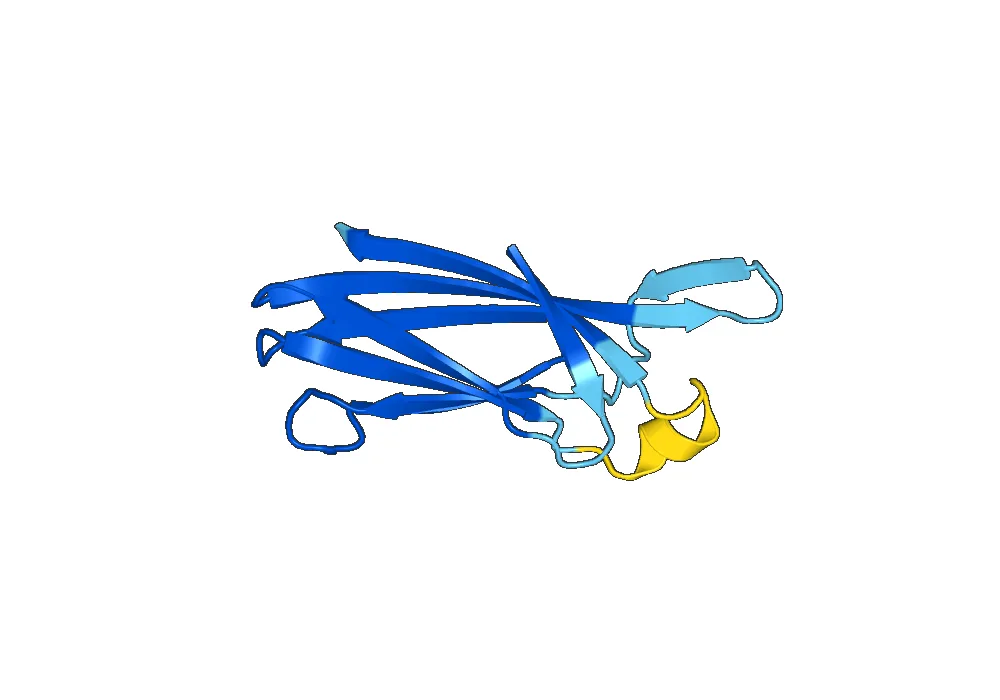
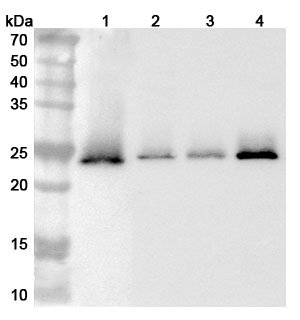
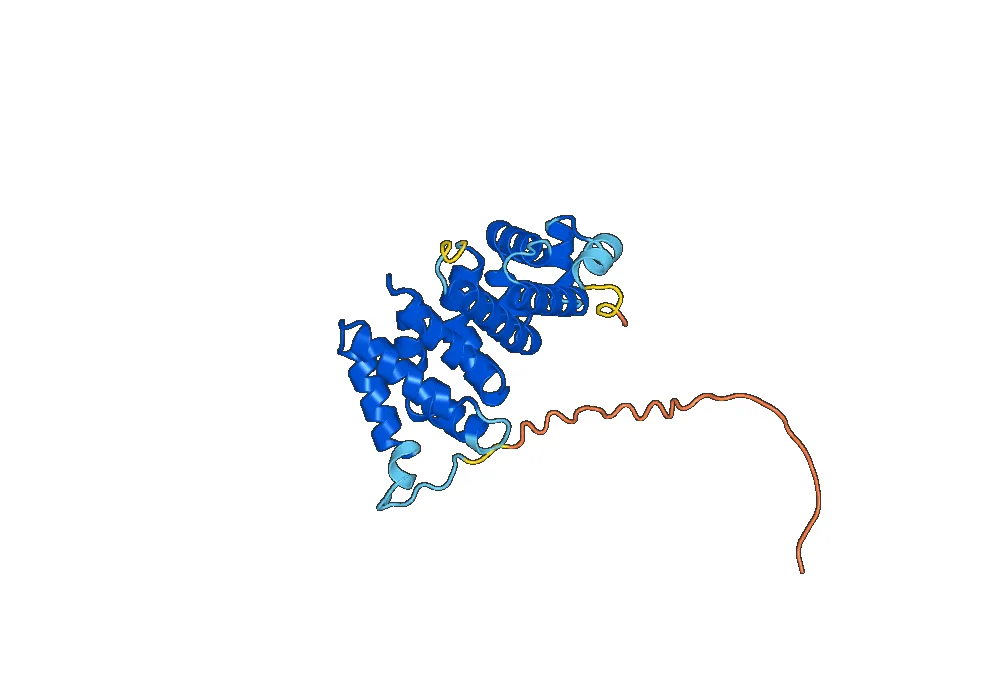
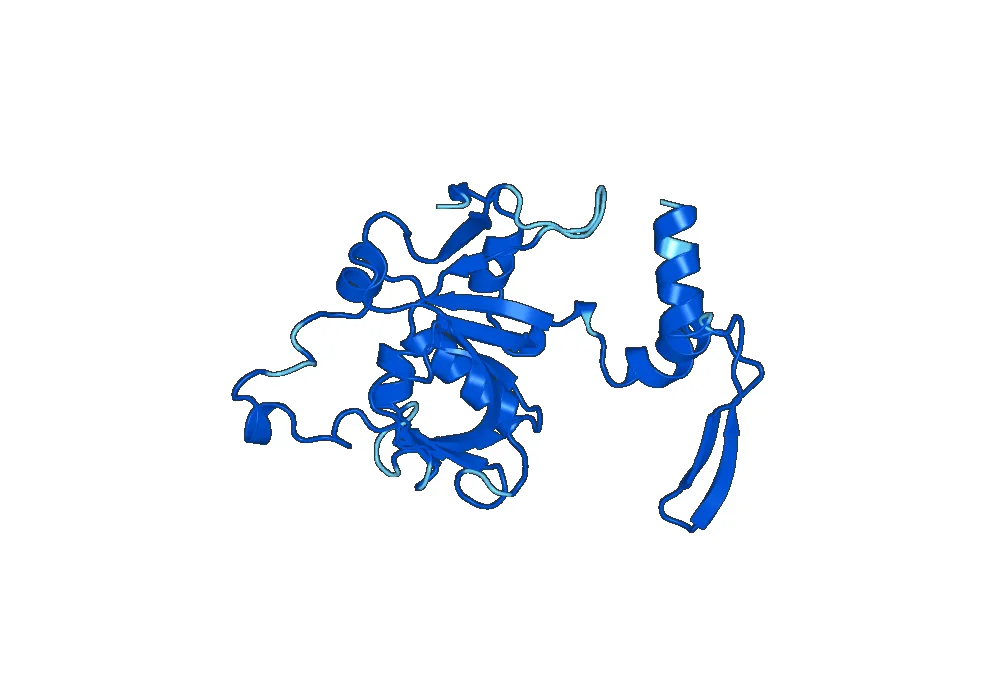
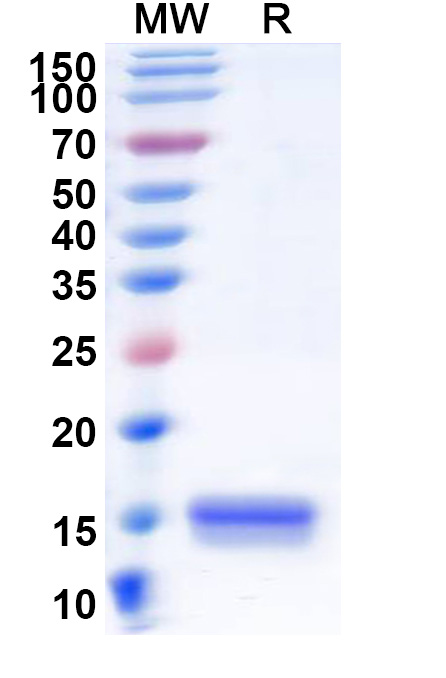
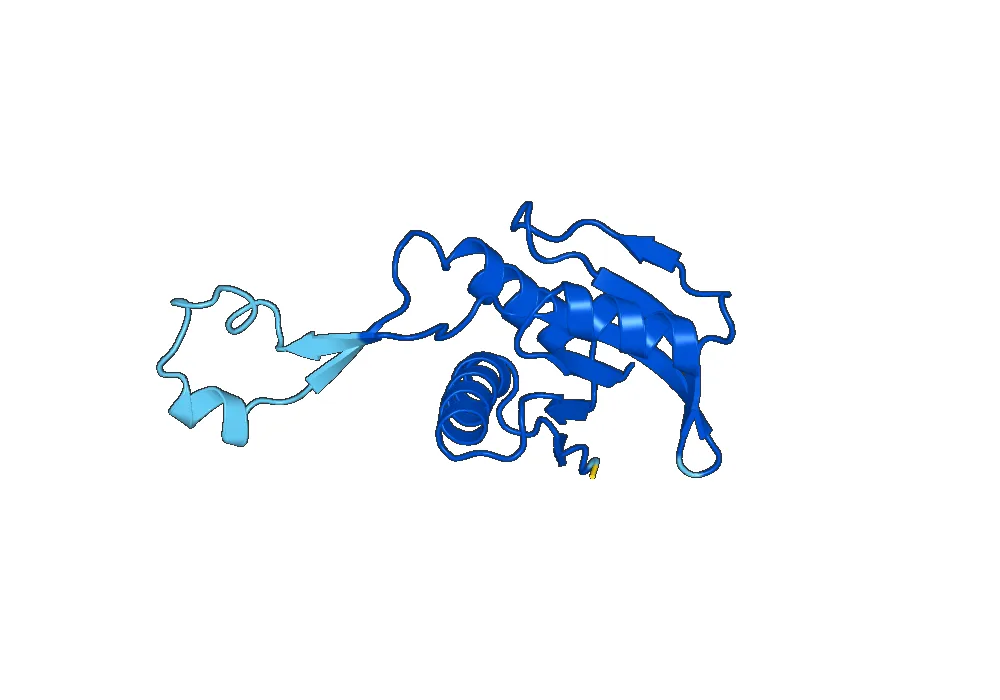
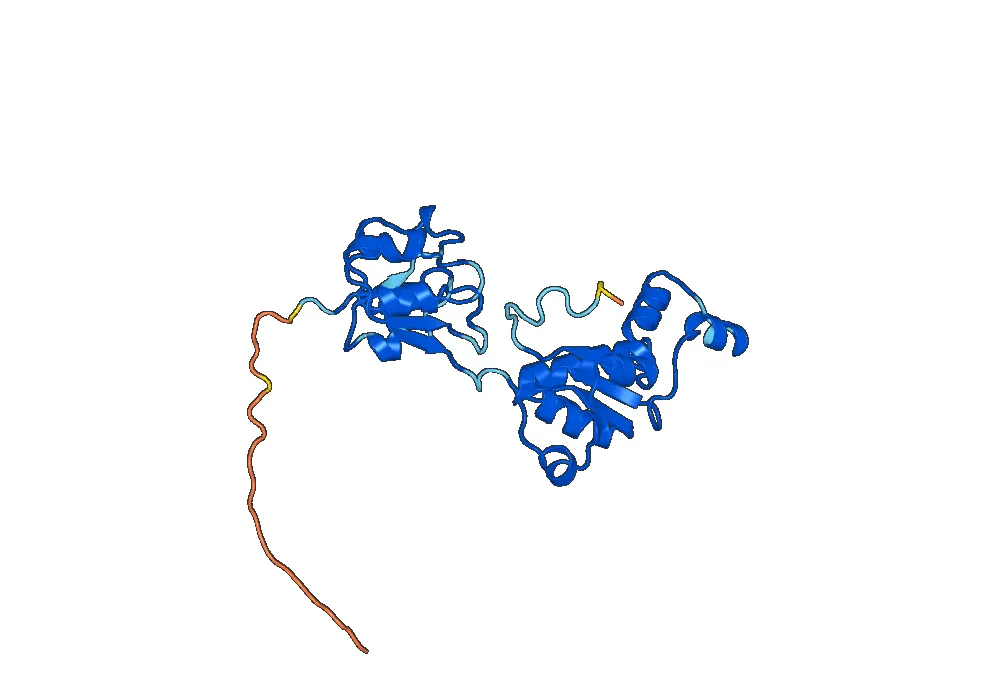
Recombinant Human TMED9 Protein is a transmembrane protein that is composed of 197 amino acids. It has a molecular weight of approximately 22 kDa and is highly conserved among different species. The protein contains a transmembrane domain at the N-terminus and a cytoplasmic domain at the C-terminus. The cytoplasmic domain contains a dilysine motif that is essential for the retrieval of cargo proteins from the Golgi apparatus back to the ER. The protein also has four transmembrane helices and two extracellular loops. The structure of Recombinant Human TMED9 Protein is important for its function in cargo protein transport.
Activity of Recombinant Human TMED9 Protein
Recombinant Human TMED9 Protein is primarily involved in the transport of cargo proteins from the ER to the Golgi apparatus. It functions as a receptor in the COPII-mediated vesicle transport pathway. This protein interacts with the cargo proteins through its cytoplasmic domain and facilitates their packaging into COPII-coated vesicles. These vesicles then fuse with the Golgi apparatus, releasing the cargo proteins into the Golgi lumen. Recombinant Human TMED9 Protein also plays a role in the retrieval of cargo proteins from the Golgi apparatus back to the ER. The dilysine motif in its cytoplasmic domain binds to COPI-coated vesicles, which transport the cargo proteins back to the ER. This process ensures proper localization and function of cargo proteins within the cell.
Applications of Recombinant Human TMED9 Protein
Recombinant Human TMED9 Protein has various applications in the field of biotechnology and medicine. One of its main applications is in the production of recombinant proteins. The protein’s role in cargo protein transport makes it a valuable tool for the efficient production of recombinant proteins in mammalian cells. By overexpressing Recombinant Human TMED9 Protein, the transport of recombinant proteins from the ER to the Golgi apparatus can be enhanced, resulting in higher yields of the desired protein.
Another application of Recombinant Human TMED9 Protein is in the study of protein trafficking and secretion. The protein’s involvement in the COPII-mediated vesicle transport pathway makes it a useful tool for understanding the mechanisms of protein transport within cells. By studying the effects of Recombinant Human TMED9 Protein on cargo protein trafficking, researchers can gain insights into the regulation of this process and its role in various cellular functions.
Furthermore, Recombinant Human TMED9 Protein has also been studied for its potential role in cancer progression. It has been found to interact with the tumor suppressor protein p53, suggesting a possible involvement in regulating cell growth and proliferation. Further research is needed to fully understand the implications of this interaction and its potential as a therapeutic target for cancer treatment.
Conclusion
In conclusion, Recombinant Human TMED9 Protein is a transmembrane protein that plays a crucial role in the transport of cargo proteins from the ER to the Golgi apparatus. Its structure, activity, and applications make it a valuable tool for various scientific studies and biotechnological applications. Further research on this protein may lead to a better understanding of its role in cellular processes and its potential as a therapeutic target for various diseases.


There are no reviews yet.