Introduction
Recombinant Human TIA1 Protein, also known as T-cell restricted intracellular antigen-1, is a highly conserved RNA-binding protein that plays a crucial role in regulating gene expression. This protein is encoded by the TIA1 gene and is expressed in a variety of tissues, including T cells, B cells, and natural killer cells. Recombinant Human TIA1 Protein is widely used in research and medical applications due to its unique structure and diverse functions.
Structure of Recombinant Human TIA1 Protein
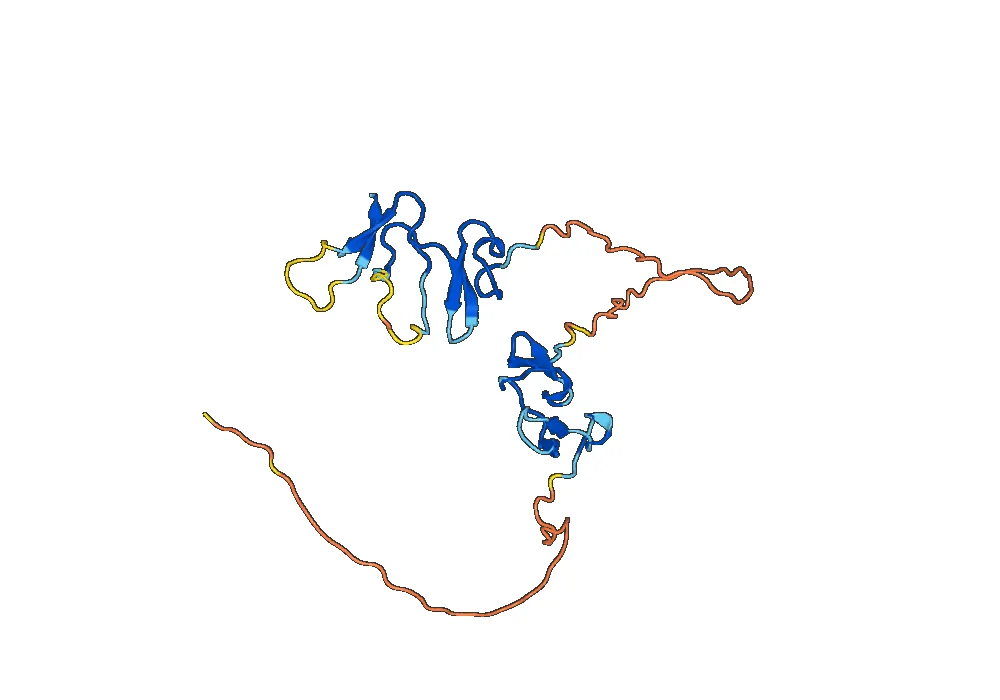
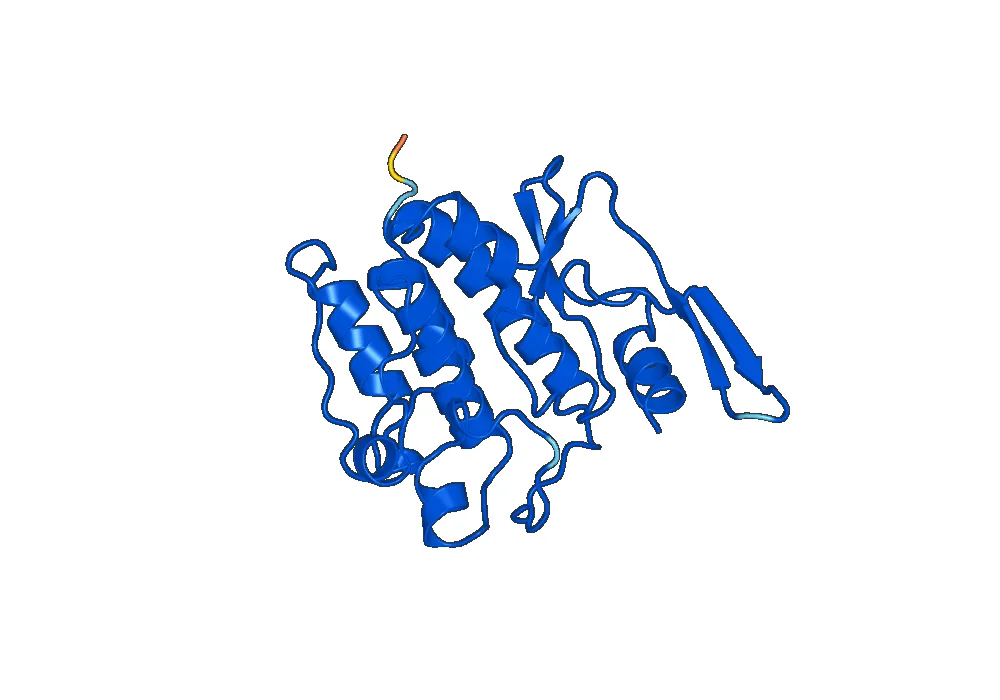
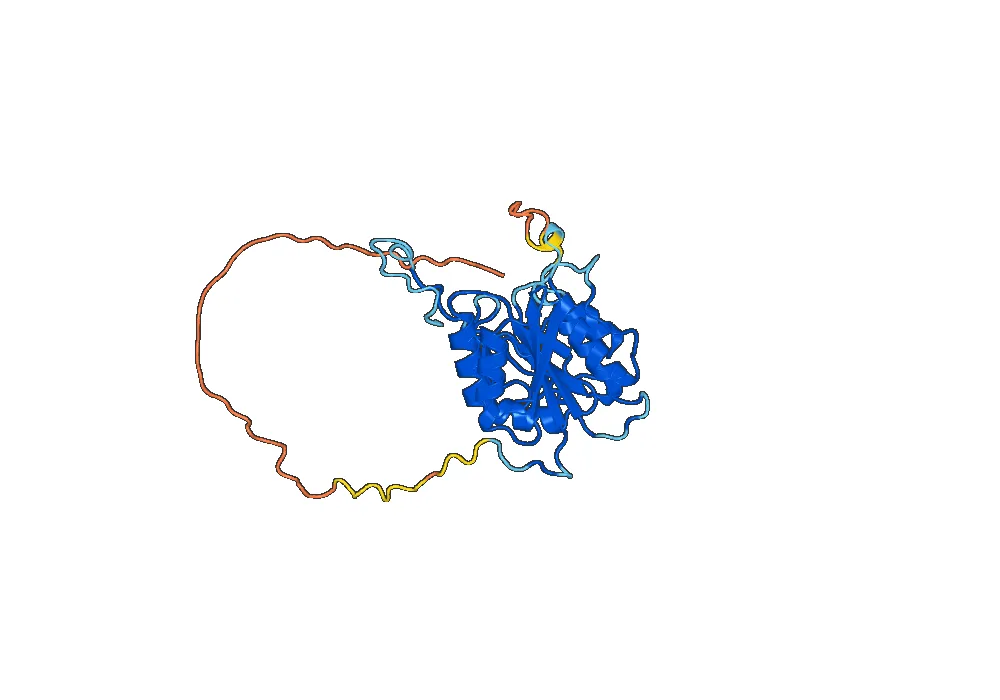
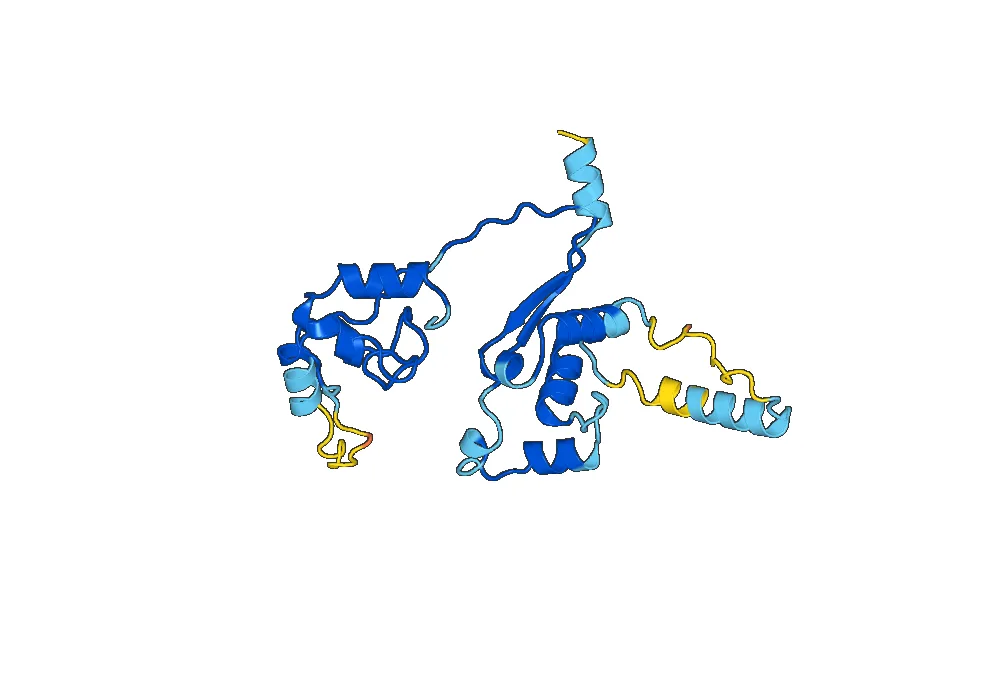
Recombinant Human TIA1 Protein is a 41 kDa protein consisting of 370 amino acids. It contains three RNA recognition motifs (RRMs) and a C-terminal glutamine-rich domain. The RRMs are responsible for binding to RNA, while the glutamine-rich domain is involved in protein-protein interactions. The structure of this protein is highly conserved among different species, indicating its importance in various biological processes.
Activity of Recombinant Human TIA1 Protein
Recombinant Human TIA1 Protein is a multifunctional protein that plays a crucial role in post-transcriptional gene regulation. It binds to specific RNA sequences and regulates their translation, stability, and localization. This protein is involved in the formation of stress granules, which are cytoplasmic aggregates of RNA and proteins that form in response to cellular stress. These granules help to protect the cell from stress-induced damage and facilitate the recovery of normal cellular functions.
Apart from its role in stress response, Recombinant Human TIA1 Protein also plays a role in cell proliferation and apoptosis. It has been shown to regulate the expression of genes involved in cell cycle progression and cell death. Additionally, this protein is involved in the regulation of alternative splicing, a process that allows for the production of multiple protein isoforms from a single gene. By binding to specific RNA sequences, Recombinant Human TIA1 Protein can influence the splicing of pre-mRNA and thus, regulate the diversity of protein products.
Applications of Recombinant Human TIA1 Protein
Recombinant Human TIA1 Protein has a wide range of applications in both research and medical fields. In research, this protein is commonly used as a tool to study RNA-protein interactions and their role in gene regulation. Its ability to form stress granules also makes it a valuable tool for studying cellular stress response mechanisms.
In the medical field, Recombinant Human TIA1 Protein has been linked to various diseases and disorders. Mutations in the TIA1 gene have been associated with neurodegenerative diseases such as amyotrophic lateral sclerosis (ALS) and frontotemporal dementia (FTD). Furthermore, this protein has been found to be dysregulated in certain cancers, including breast cancer and leukemia. As such, Recombinant Human TIA1 Protein is being studied as a potential biomarker for disease diagnosis and a target for therapeutic interventions.
Conclusion
In conclusion, Recombinant Human TIA1 Protein is a highly conserved RNA-binding protein with diverse functions in gene regulation, stress response, and cell fate determination. Its unique structure and activity make it a valuable tool for both research and medical applications. Further studies on this protein may provide insights into its role in disease development and potential therapeutic strategies.
There are no reviews yet.