Introduction
Recombinant Human TEX14 Protein is a key protein involved in the process of spermatogenesis, or the production of sperm cells. This protein is encoded by the TEX14 gene and is found in both humans and mice. It plays a crucial role in the formation of the synaptonemal complex, which is essential for the proper pairing and segregation of chromosomes during meiosis.
Structure of Recombinant Human TEX14 Protein
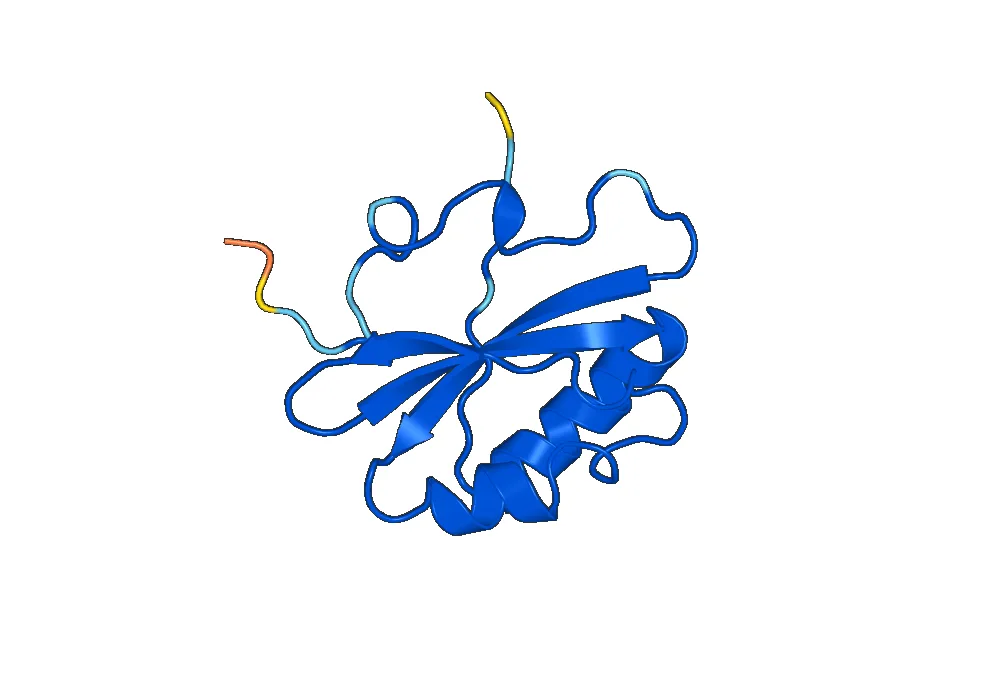
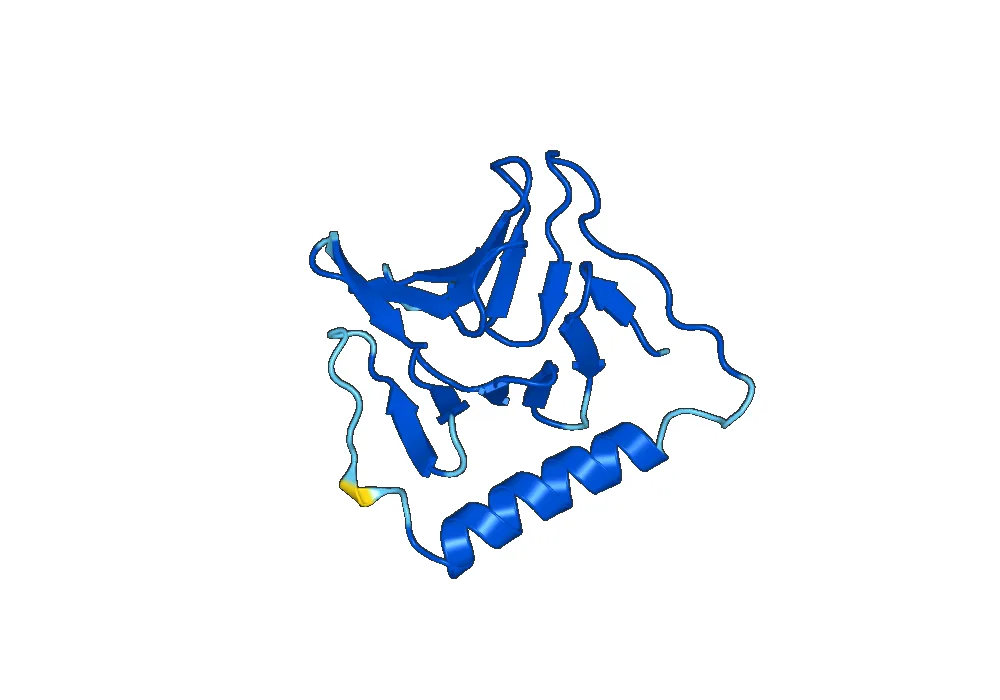
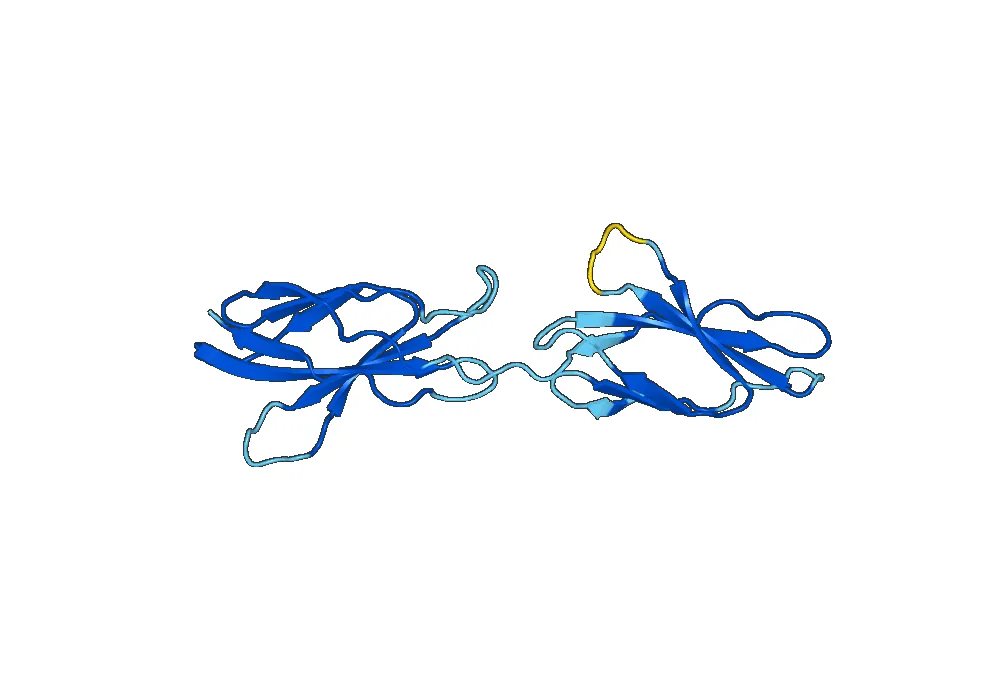
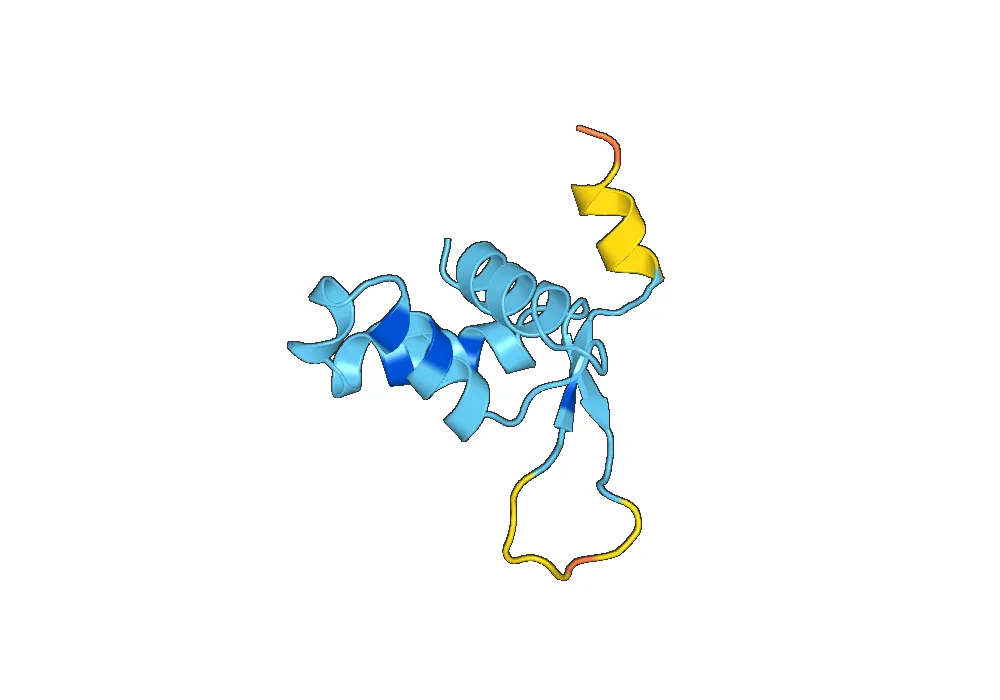
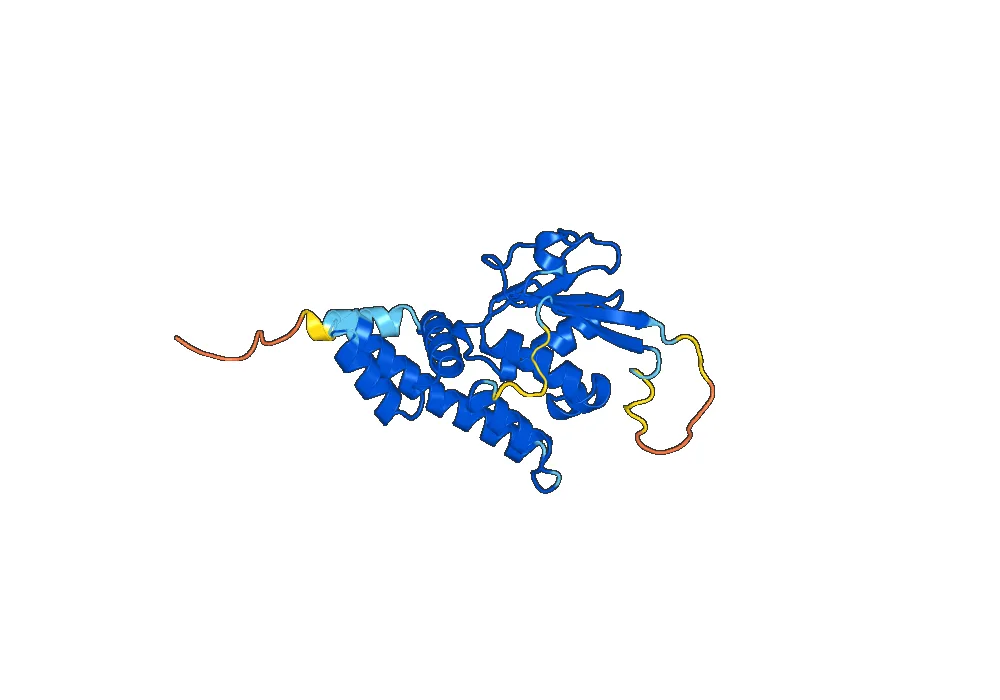
The TEX14 gene is located on chromosome 17 in humans and contains 30 exons. The protein itself is composed of 1,349 amino acids and has a molecular weight of approximately 150 kDa. It contains multiple domains, including an N-terminal coiled-coil domain, a central domain with a coiled-coil motif, and a C-terminal domain with a RING finger motif. These domains are important for the function of TEX14 in spermatogenesis.
Activity of Recombinant Human TEX14 Protein
Recombinant Human TEX14 Protein is primarily involved in the formation of the synaptonemal complex, which is a protein structure that holds homologous chromosomes together during meiosis. This complex is essential for the proper pairing and segregation of chromosomes, which is crucial for the production of healthy sperm cells. TEX14 also plays a role in the assembly of other proteins involved in spermatogenesis, such as SYCP1 and SYCP3.
In addition to its role in spermatogenesis, TEX14 has also been found to be involved in the regulation of cell division and cell adhesion. It has been shown to interact with other proteins, such as CEP55 and PLK1, which are important for cell division and cytokinesis. This suggests that TEX14 may have a broader role in cellular processes beyond spermatogenesis.
Application of Recombinant Human TEX14 Protein
Recombinant Human TEX14 Protein has a wide range of applications in both research and clinical settings. Its role in spermatogenesis makes it a valuable tool for studying male fertility and infertility. Researchers can use this protein to investigate the mechanisms of spermatogenesis and the formation of the synaptonemal complex.
In addition, TEX14 has potential applications in the development of male contraceptives. As it is involved in the formation of the synaptonemal complex, targeting this protein could disrupt the process of spermatogenesis and prevent the production of viable sperm cells. This could provide a non-hormonal option for male contraception.
Furthermore, TEX14 has been identified as a potential biomarker for male infertility. Studies have shown that mutations in the TEX14 gene are associated with male infertility, and measuring levels of this protein could help diagnose and treat this condition.
Conclusion
In summary, Recombinant Human TEX14 Protein is a crucial protein involved in spermatogenesis. Its structure, activity, and applications make it a valuable tool for studying male fertility and infertility. Its potential role in male contraception and as a biomarker for male infertility make it a promising area of research for the future.



There are no reviews yet.