Introduction to Recombinant Human STING1/TMEM173
Recombinant Human STING1/TMEM173, also known as stimulator of interferon genes 1/transmembrane protein 173, is a protein that plays a crucial role in the innate immune response. It is a member of the STING family of proteins and is encoded by the TMEM173 gene. STING1/TMEM173 is involved in the detection of viral and bacterial infections and is a key player in the activation of the immune system. In this article, we will explore the structure, activity, and applications of this important protein.
Structure of Recombinant Human STING1/TMEM173
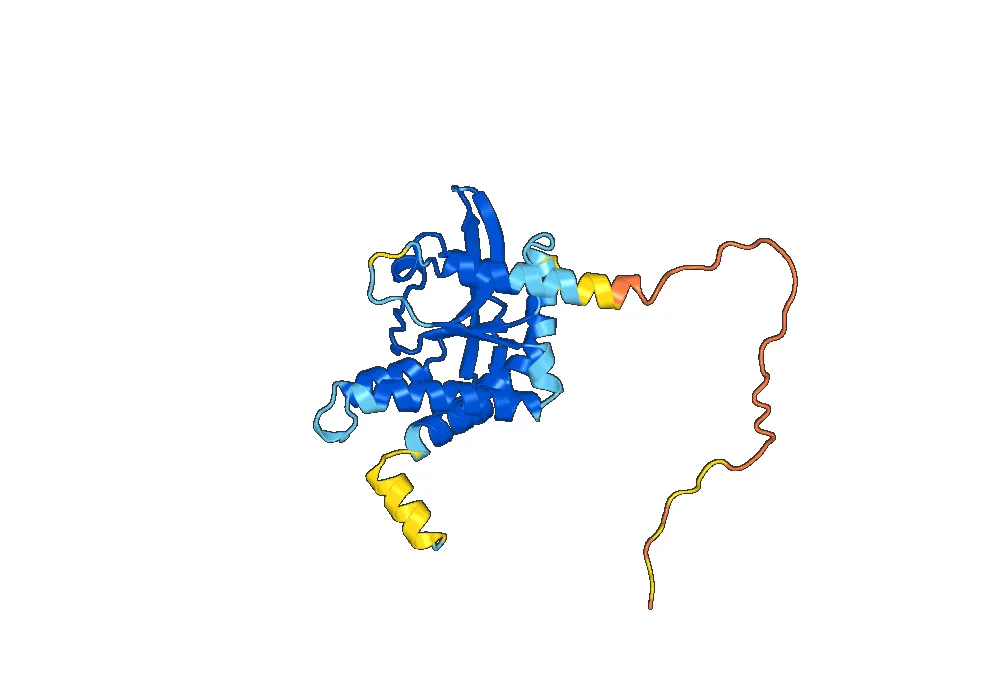
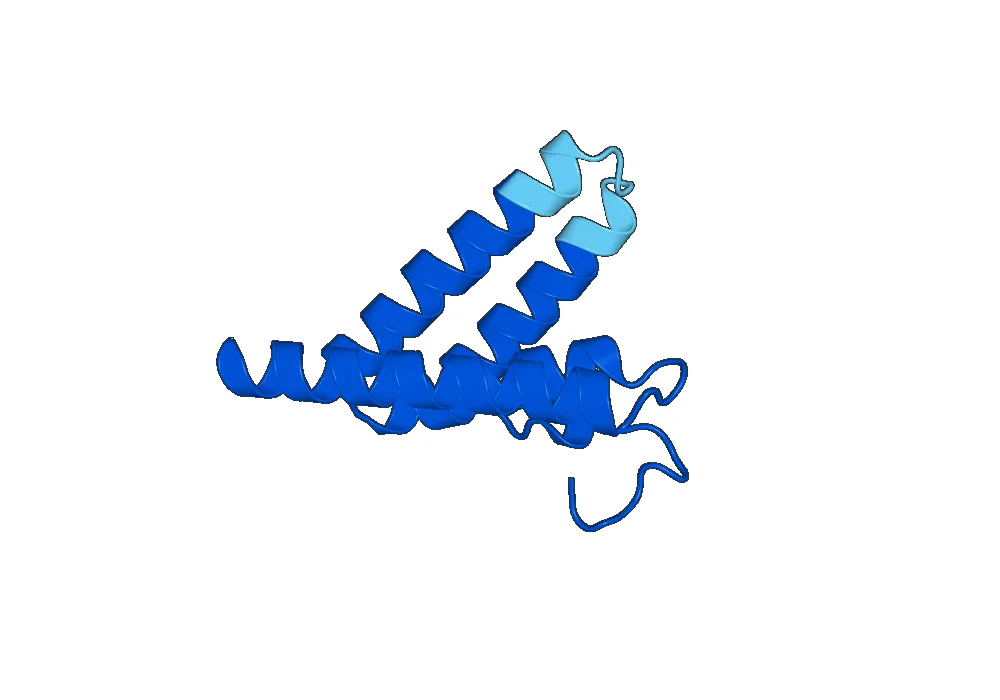
Recombinant Human STING1/TMEM173 is a 379 amino acid protein with a molecular weight of 42 kDa. It is composed of three domains: an N-terminal transmembrane domain, a central cytoplasmic domain, and a C-terminal domain. The transmembrane domain anchors the protein to the endoplasmic reticulum, while the cytoplasmic domain is responsible for its signaling activity. The C-terminal domain contains a conserved sequence known as the STING domain, which is essential for its function.
Activity of Recombinant Human STING1/TMEM173
STING1/TMEM173 is primarily involved in the detection of cytosolic DNA, which can be a sign of viral or bacterial infection. Upon binding to DNA, STING1/TMEM173 undergoes a conformational change, leading to the recruitment and activation of downstream signaling molecules. This results in the production of type I interferons and pro-inflammatory cytokines, which are essential for the activation of the immune system.
In addition to its role in detecting DNA, STING1/TMEM173 also plays a role in the regulation of autophagy, a process that helps in the elimination of intracellular pathogens. It has also been shown to be involved in the activation of natural killer cells and the production of reactive oxygen species, which are important for killing infected cells.
Applications of Recombinant Human STING1/TMEM173
Recombinant Human STING1/TMEM173 has numerous applications in both research and clinical settings. One of its main uses is in the study of innate immunity and its role in the immune response to infections. It is also a valuable tool for understanding the mechanisms of autophagy and its regulation.
In the clinic, STING1/TMEM173 has been identified as a potential target for the development of novel immunotherapies for cancer. It has been shown to enhance the anti-tumor immune response and has been used in combination with other therapies to improve their efficacy. Additionally, STING1/TMEM173 has been studied for its potential as a biomarker for certain autoimmune diseases, such as lupus and psoriasis.
Recombinant Human STING1/TMEM173 as an Antigen
Recombinant Human STING1/TMEM173 is also commonly used as an antigen in vaccine development. Its ability to activate the immune system and induce the production of antibodies makes it a promising candidate for the development of vaccines against viral and bacterial infections. Furthermore, its role in the regulation of autophagy makes it a potential target for the development of vaccines against diseases caused by intracellular pathogens.
Conclusion
In summary, Recombinant Human STING1/TMEM173 is a vital protein involved in the innate immune response. Its structure, activity, and applications make it a crucial player in the fight against infections and diseases. As research on this protein continues, we can expect to uncover more of its roles and potential therapeutic applications.


There are no reviews yet.