Introduction to Recombinant Human STEAP3 Protein
Recombinant Human STEAP3 Protein, also known as six-transmembrane epithelial antigen of the prostate 3, is a protein that is encoded by the STEAP3 gene in humans. It belongs to the STEAP family of proteins, which are characterized by their six-transmembrane domains and are involved in various cellular processes such as cell proliferation, differentiation, and apoptosis. Recombinant Human STEAP3 Protein has gained significant interest in the scientific community due to its potential applications in cancer research and therapy. In this article, we will explore the structure, activity, and applications of this protein in detail.
Structure of Recombinant Human STEAP3 Protein
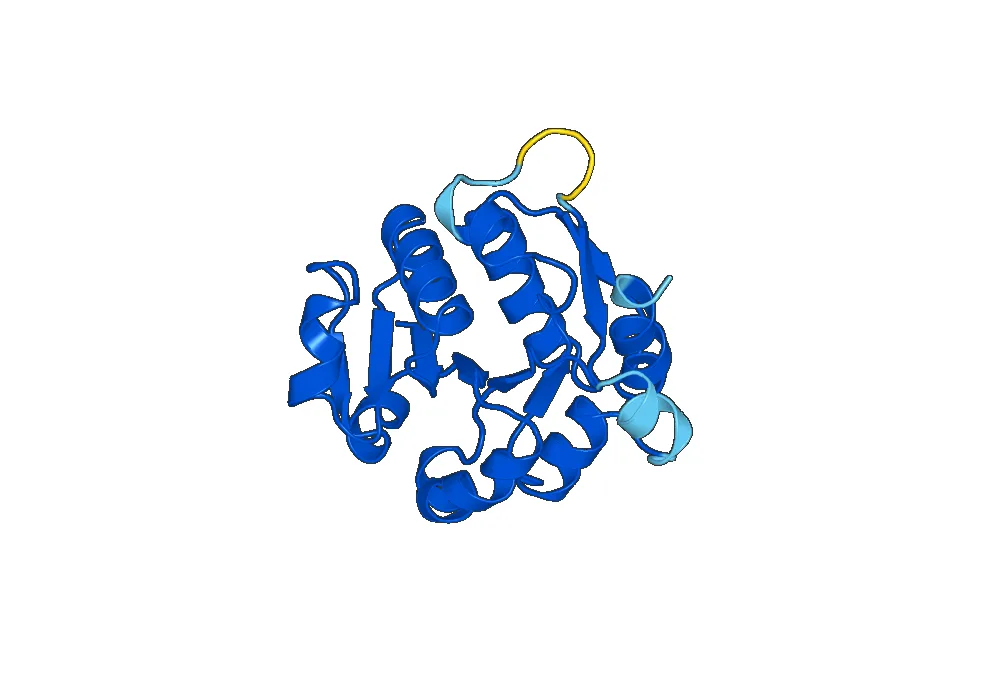
The STEAP3 gene is located on chromosome 1 in humans and encodes a protein of 339 amino acids. Recombinant Human STEAP3 Protein is composed of six transmembrane domains, a cytoplasmic N-terminus, and a large extracellular loop. The extracellular loop contains a conserved domain known as the STEAP domain, which is essential for the protein’s function. This domain is responsible for the protein’s metalloreductase activity, which plays a crucial role in cellular iron homeostasis.
Recombinant Human STEAP3 Protein is glycosylated, meaning that it contains sugar molecules attached to it. This glycosylation helps in stabilizing the protein and also plays a role in its cellular localization and function. The protein is predominantly expressed in the prostate, but it is also found in other tissues such as the liver, kidney, and brain.
Activity of Recombinant Human STEAP3 Protein
Recombinant Human STEAP3 Protein is a metalloreductase, which means that it has the ability to reduce metal ions from their oxidized state to their reduced state. This activity is crucial for maintaining cellular iron homeostasis, as iron is an essential element for many cellular processes. The protein is known to reduce ferric (Fe3+) ions to ferrous (Fe2+) ions, which can then be transported into the cell for various metabolic functions.
In addition to its metalloreductase activity, Recombinant Human STEAP3 Protein has also been found to have a role in cell proliferation and differentiation. It has been shown to interact with other proteins involved in these processes, suggesting that it may play a regulatory role in cellular growth and development. Furthermore, the protein has been found to be upregulated in various cancer types, indicating its potential involvement in tumorigenesis and progression.
Applications of Recombinant Human STEAP3 Protein
Recombinant Human STEAP3 Protein has a wide range of potential applications in the field of cancer research and therapy. Its metalloreductase activity makes it a promising candidate for targeted cancer therapy, as cancer cells require high levels of iron for their rapid growth and proliferation. The protein’s ability to reduce iron ions could be utilized to selectively kill cancer cells, while sparing healthy cells that have lower levels of iron.
Moreover, the overexpression of Recombinant Human STEAP3 Protein in various cancer types makes it a potential biomarker for cancer diagnosis and prognosis. It could also serve as a therapeutic target for developing drugs that specifically target cancer cells and inhibit their growth.
Additionally, Recombinant Human STEAP3 Protein has been found to be a target of the immune system, with antibodies against the protein being detected in cancer patients. This opens up the possibility of using the protein as an antigen for cancer immunotherapy, where the body’s immune system is stimulated to attack cancer cells.
Conclusion
In conclusion, Recombinant Human STEAP3 Protein is a promising protein with a unique structure and diverse activities. Its metalloreductase activity, involvement in cell proliferation and differentiation, and overexpression in cancer make it a potential candidate for targeted cancer therapy,
There are no reviews yet.