Introduction
Recombinant Human SRC Protein is a protein that is produced through the process of genetic engineering, where the gene encoding the protein is inserted into a host organism, typically a bacterium, and then expressed to produce large quantities of the desired protein. In this article, we will discuss the structure, activity, and applications of this important recombinant protein.
Structure of Recombinant Human SRC Protein
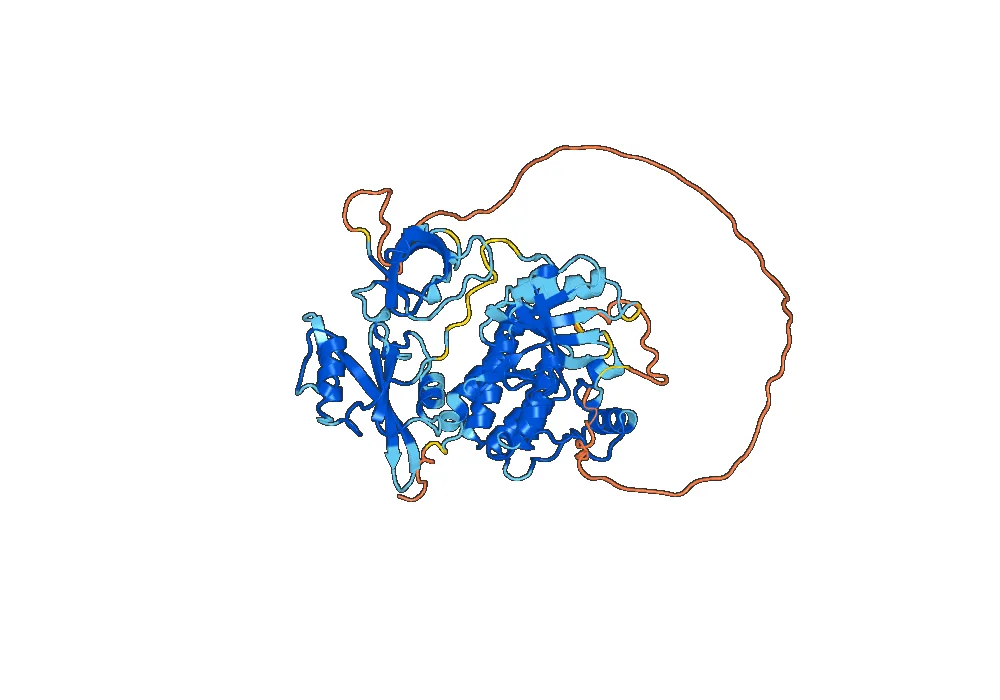
The SRC protein, also known as proto-oncogene tyrosine-protein kinase Src, is a member of the Src family of non-receptor tyrosine kinases. It is composed of 536 amino acids and has a molecular weight of approximately 60 kDa. The recombinant form of this protein is identical to the native form and has the same structure as the endogenous SRC protein found in human cells.
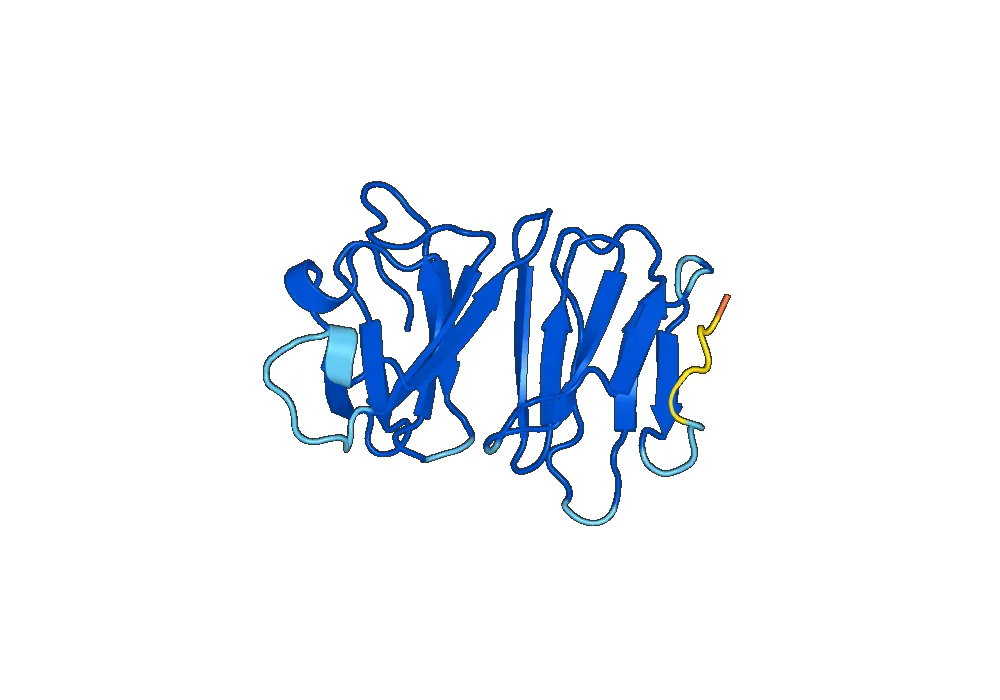
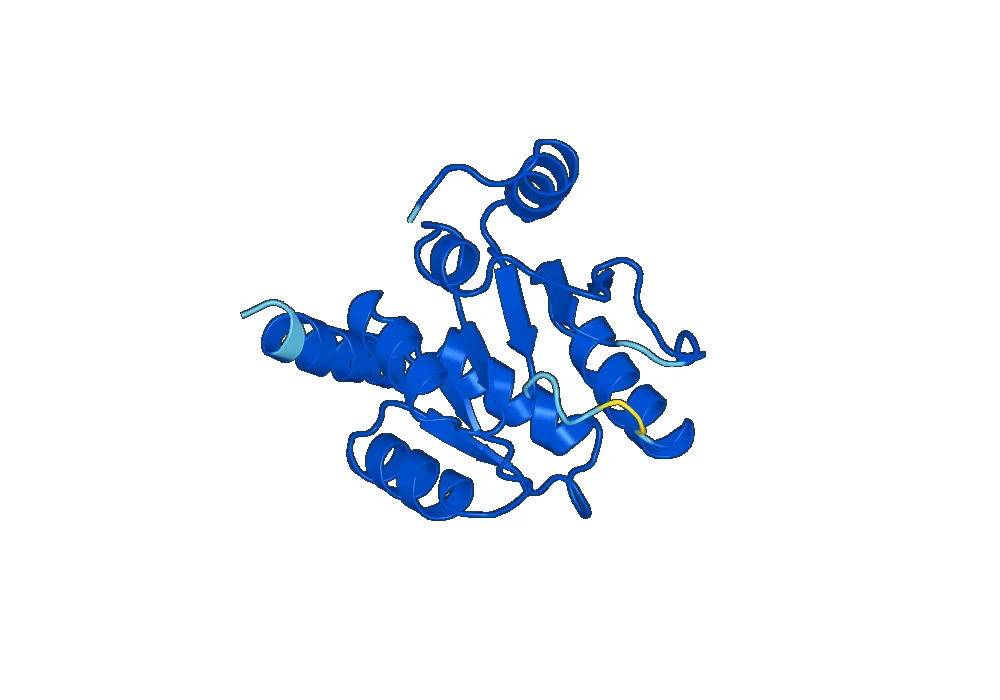
The SRC protein contains several functional domains, including an N-terminal SH4 domain, an SH3 domain, an SH2 domain, a kinase domain, and a C-terminal regulatory domain. These domains play a crucial role in the activity and regulation of the protein.
Activity of Recombinant Human SRC Protein
The main function of the SRC protein is to regulate cell growth and proliferation by controlling the activity of other proteins through phosphorylation. It does this by adding a phosphate group to specific tyrosine residues on target proteins, thereby activating or inhibiting their function.
The SRC protein is also involved in cell adhesion, migration, and invasion, making it a crucial player in processes such as wound healing and cancer metastasis. Additionally, it has been shown to play a role in the regulation of immune responses and neuronal signaling.
The activity of the SRC protein is tightly regulated by several mechanisms, including interactions with other proteins, post-translational modifications, and subcellular localization. Dysregulation of SRC activity has been linked to various diseases, including cancer, making it a potential target for therapeutic interventions.
Applications of Recombinant Human SRC Protein
The production of recombinant SRC protein has numerous applications in both basic research and clinical settings. One of the most common uses of this protein is in in vitro studies to investigate its role in different cellular processes, such as cell signaling and proliferation.
Recombinant SRC protein can also be used to develop drugs that target SRC activity, particularly in cancer treatment. Inhibitors of SRC have been shown to reduce tumor growth and metastasis in preclinical studies, and several clinical trials are currently underway to test their efficacy in cancer patients.
Furthermore, recombinant SRC protein can be used to generate antibodies for diagnostic and therapeutic purposes. Antibodies against SRC can be used to detect its expression in tumor tissues and monitor its activity in response to treatment. They can also be used to block SRC activity and potentially inhibit tumor growth.
Conclusion
Recombinant Human SRC Protein is a crucial tool in the study of cell signaling and its role in various diseases, particularly cancer. Its identical structure and activity to the native form make it a reliable and valuable protein for research and potential therapeutic applications. Further studies on SRC and its interactions with other proteins will continue to shed light on its role in health and disease.

There are no reviews yet.