Introduction
Recombinant Human SORBS1 Protein is a highly versatile protein that has gained significant attention in the scientific community due to its unique structure and diverse functions. This protein is a recombinant form of the human SORBS1 (sorbin and SH3 domain-containing protein 1) gene, which encodes for a cytoskeletal protein involved in cell adhesion, migration, and signaling. In this article, we will delve into the structure, activity, and application of this recombinant protein.
Structure of Recombinant Human SORBS1 Protein
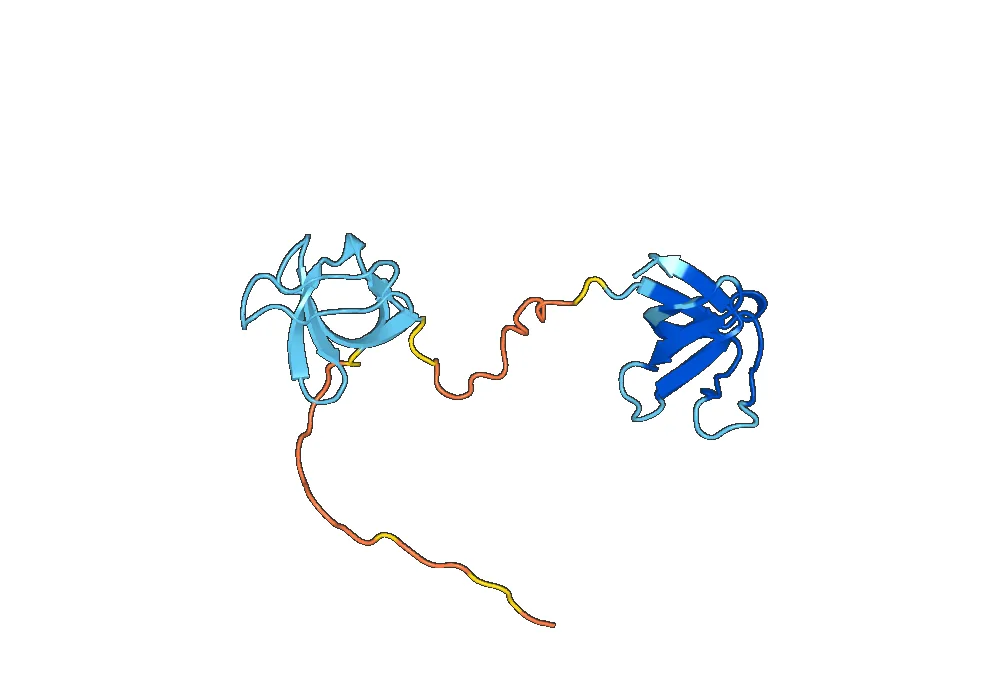
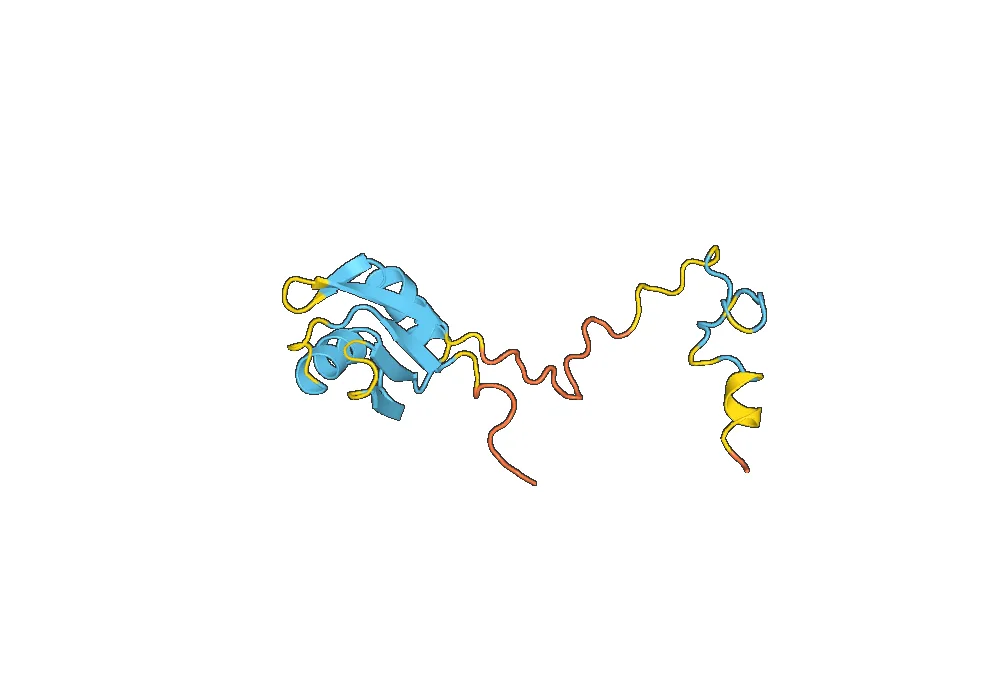
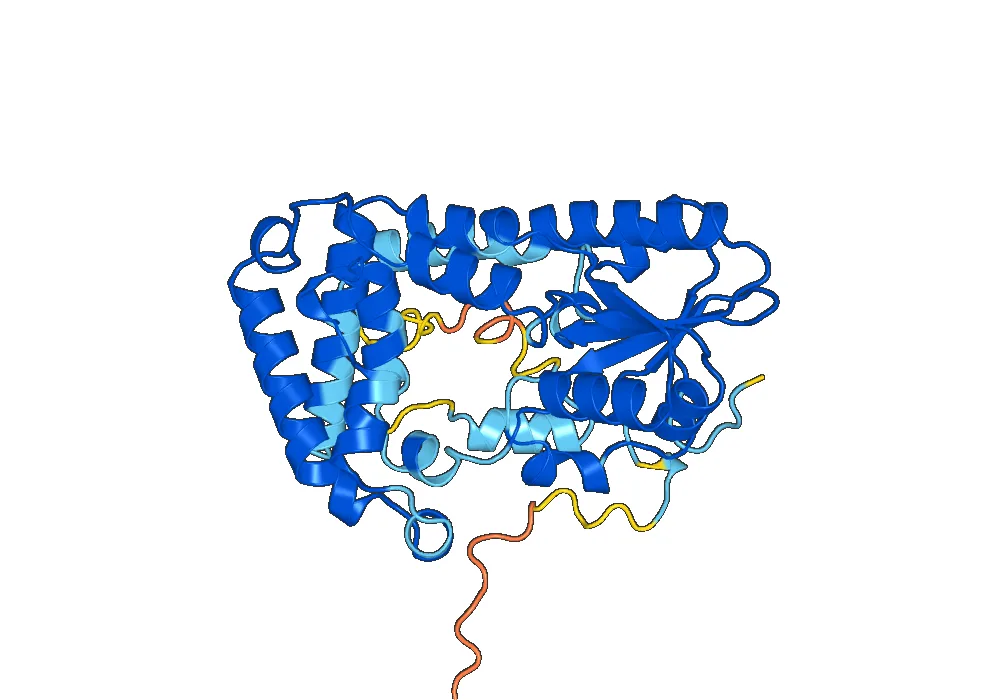
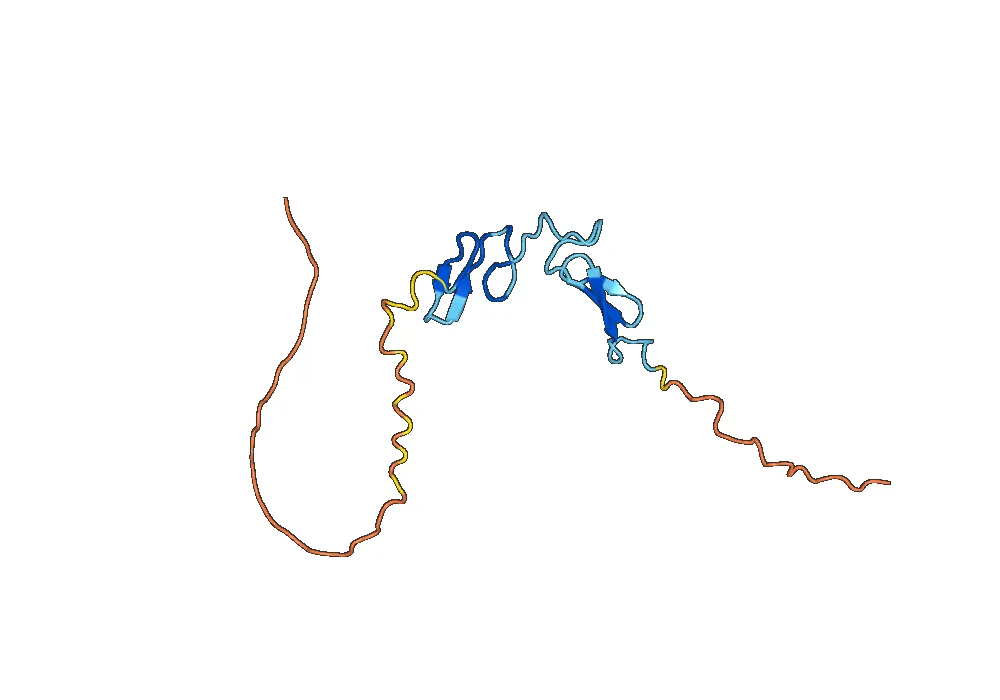
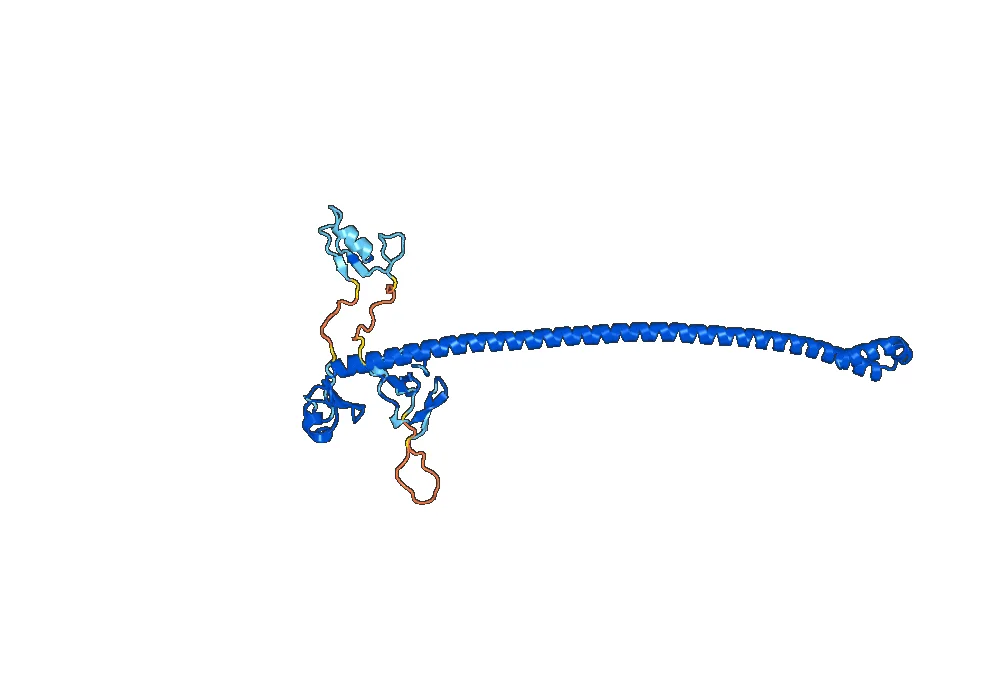
Recombinant Human SORBS1 Protein is a 110 kDa protein consisting of 1053 amino acids. It contains three distinct domains, including an N-terminal sorbin homology (SoHo) domain, a central SH3 domain, and a C-terminal proline-rich region. The SoHo domain is responsible for binding to actin filaments, while the SH3 domain interacts with various signaling proteins. The proline-rich region serves as a docking site for other proteins, allowing for the formation of multiprotein complexes.
Activity of Recombinant Human SORBS1 Protein
Recombinant Human SORBS1 Protein is involved in a wide range of cellular processes, making it a crucial player in cell biology. One of its main functions is to regulate cell adhesion and migration by binding to actin filaments and promoting the formation of focal adhesions. These structures are essential for cell attachment to the extracellular matrix and play a critical role in cell movement. Additionally, this protein has been shown to modulate signaling pathways by interacting with various proteins, including tyrosine kinases and GTPases.
Application of Recombinant Human SORBS1 Protein
Due to its diverse functions, Recombinant Human SORBS1 Protein has a wide range of applications in both basic research and clinical settings. In research, this protein is commonly used as an antigen for the production of antibodies that can be used to study its expression and localization in different cell types. It is also used in cell culture experiments to investigate its role in cell adhesion and migration.
In the clinical setting, Recombinant Human SORBS1 Protein has shown potential as a diagnostic and therapeutic target for various diseases. Studies have shown that alterations in the expression of this protein are associated with several types of cancer, making it a potential biomarker for early detection and prognosis. Additionally, this protein has been implicated in cardiovascular diseases, making it a potential target for drug development.
Conclusion
In summary, Recombinant Human SORBS1 Protein is a multifunctional protein with a unique structure that allows it to play diverse roles in cellular processes. Its ability to regulate cell adhesion, migration, and signaling makes it a crucial player in cell biology. With its wide range of applications in research and potential clinical implications, this protein continues to be a subject of interest for scientists and researchers in various fields.


There are no reviews yet.