Introduction
Recombinant Human SLC22A6 Protein, also known as Organic Anion Transporter 1 (OAT1), is a membrane protein that plays a crucial role in the transport of organic anions across cell membranes. This protein is encoded by the SLC22A6 gene and is primarily expressed in the kidney, where it is responsible for the uptake and elimination of various endogenous and exogenous substances.
Structure of Recombinant Human SLC22A6 Protein
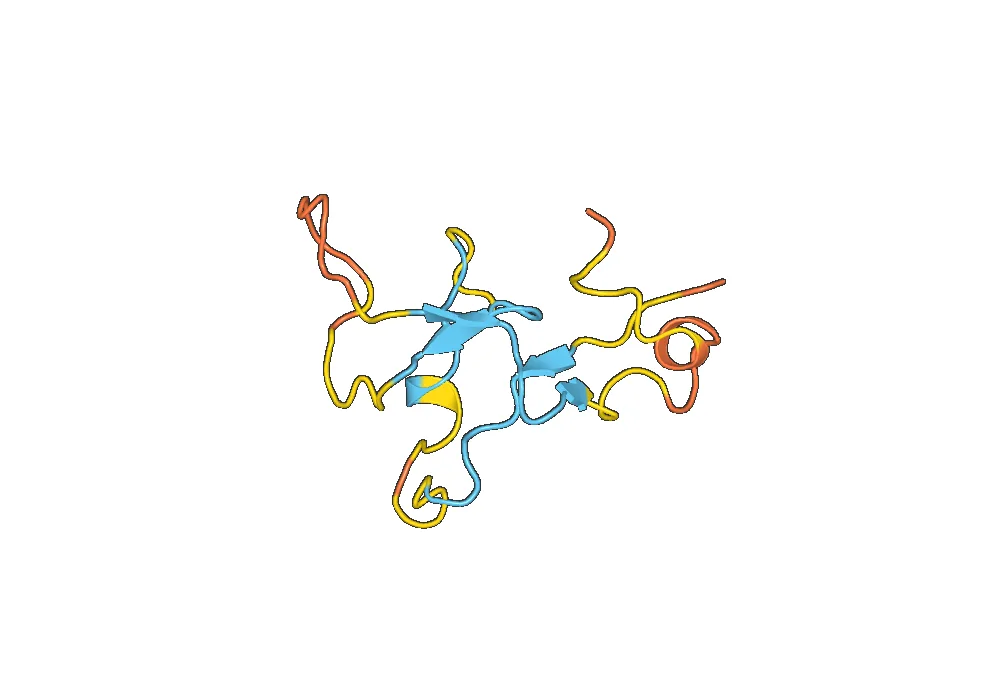
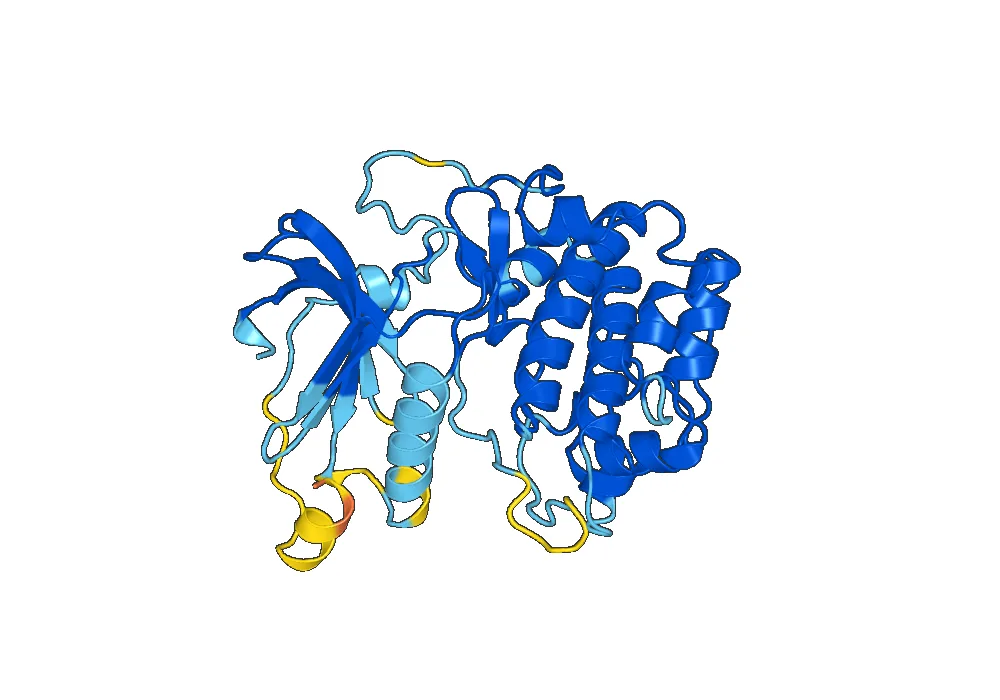
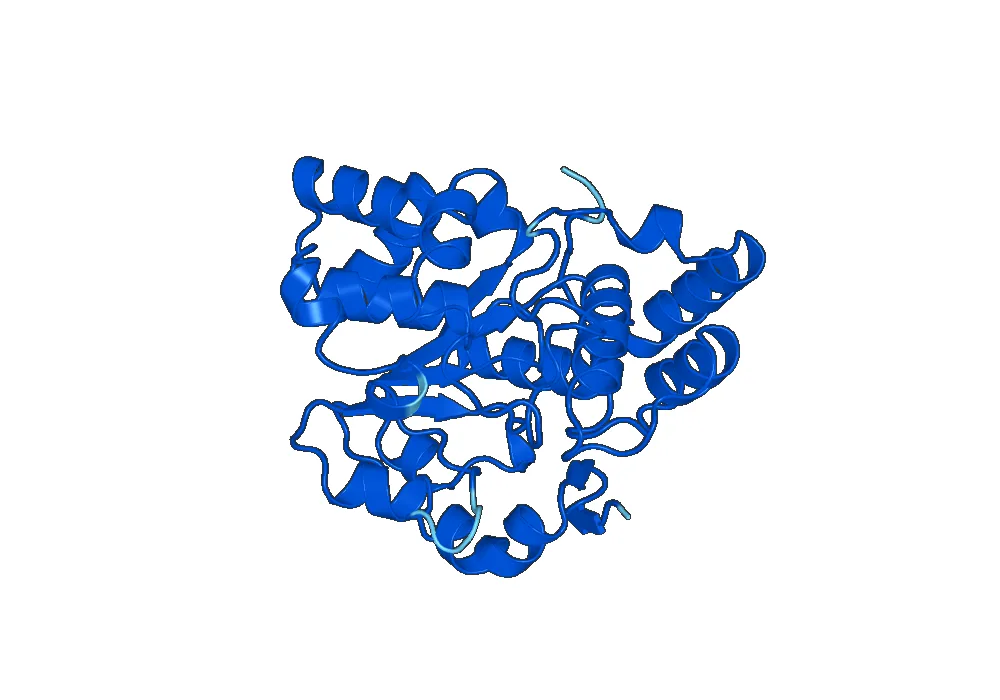
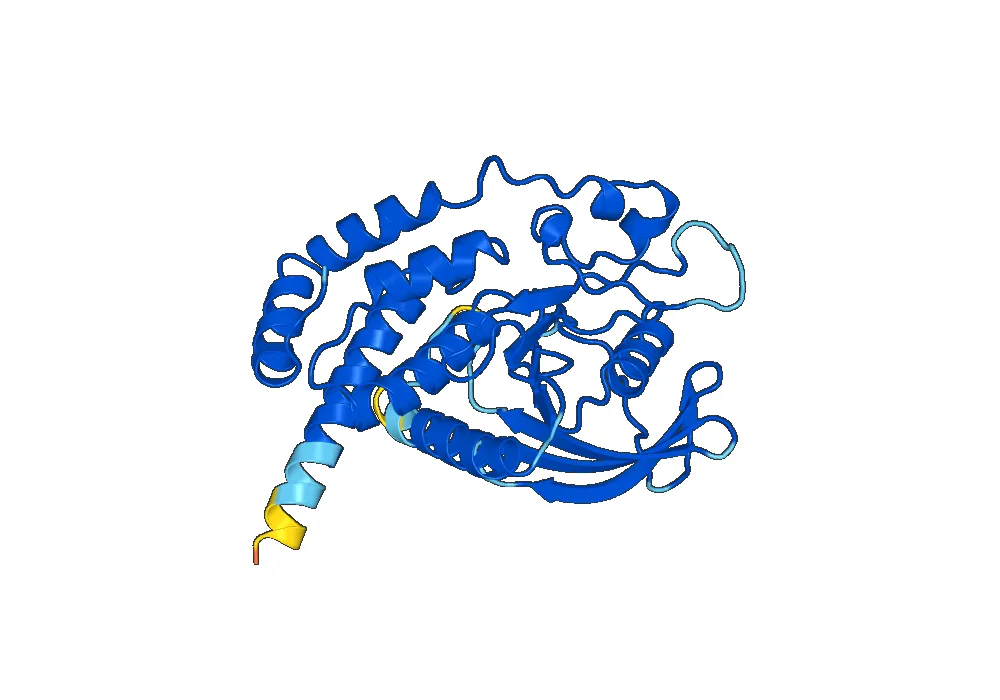
The recombinant form of SLC22A6 protein is a single polypeptide chain consisting of 554 amino acids. It has a predicted molecular mass of approximately 61 kDa and contains 12 putative transmembrane domains. The protein has a large extracellular loop between transmembrane domains 1 and 2, which is believed to be the binding site for organic anions. The cytoplasmic C-terminus of the protein contains several phosphorylation sites that regulate its activity.
Activity of Recombinant Human SLC22A6 Protein
Recombinant Human SLC22A6 Protein is a member of the SLC22 family of transporters, which are responsible for the transport of a variety of organic anions and cations. This protein specifically transports organic anions, such as endogenous compounds like urate, prostaglandins, and bile acids, as well as exogenous substances like antibiotics and non-steroidal anti-inflammatory drugs (NSAIDs).
The activity of Recombinant Human SLC22A6 Protein is regulated by several factors, including the concentration of substrates, pH, and the presence of other transporters. It functions as a symporter, using the electrochemical gradient of sodium ions to drive the transport of organic anions into the cell. This process is essential for the excretion of these substances from the body, as well as for maintaining their homeostasis.
Application of Recombinant Human SLC22A6 Protein
Recombinant Human SLC22A6 Protein has various applications in both research and clinical settings. Its role in the transport of endogenous and exogenous substances makes it a valuable tool for studying drug interactions, as well as for understanding the mechanisms of drug-induced toxicity. Additionally, mutations in the SLC22A6 gene have been linked to certain diseases, such as gout and chronic kidney disease, making this protein a potential therapeutic target.
In research, Recombinant Human SLC22A6 Protein is commonly used in in vitro and in vivo studies to investigate the transport and metabolism of various compounds. Its expression in the kidney also makes it a useful tool for studying the renal handling of drugs and other substances.
In the clinical setting, Recombinant Human SLC22A6 Protein can be used to develop diagnostic tests for diseases associated with mutations in the SLC22A6 gene. It can also be used to screen for potential drug interactions and to develop personalized treatment plans for patients.
Conclusion
In conclusion, Recombinant Human SLC22A6 Protein is a crucial membrane protein involved in the transport of organic anions across cell membranes. Its structure, activity, and applications make it a valuable tool in both research and clinical settings. Further studies on this protein may provide a better understanding of its role in drug metabolism and the development of targeted therapies for various diseases.


There are no reviews yet.