Recombinant Human PTPRO Protein, also known as protein tyrosine phosphatase receptor type O, is a key enzyme involved in the regulation of various cellular processes. This protein is encoded by the PTPRO gene and is found in many tissues and cell types in the human body. The recombinant form of this protein is produced through genetic engineering techniques and has become an important tool in both research and therapeutic applications.
Structure of Recombinant Human PTPRO Protein
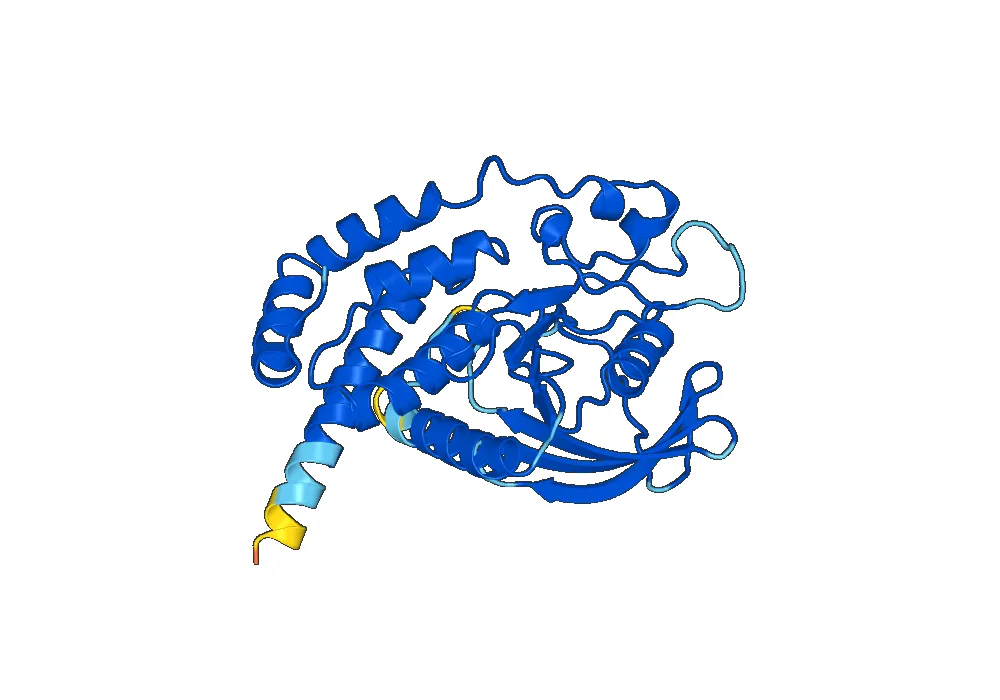
The recombinant form of PTPRO protein is a homodimer, meaning it is composed of two identical subunits. Each subunit consists of an extracellular domain, a transmembrane domain, and an intracellular domain. The extracellular domain contains a fibronectin type III repeat, which is involved in protein-protein interactions. The transmembrane domain anchors the protein to the cell membrane, while the intracellular domain contains the catalytic domain responsible for the protein’s phosphatase activity.
The recombinant form of PTPRO protein is produced in a variety of host systems, including bacteria, yeast, and mammalian cells. The choice of host system can affect the protein’s post-translational modifications, which may impact its activity and stability. Therefore, careful selection of the production system is crucial for obtaining a functional and high-quality recombinant protein.
Activity of Recombinant Human PTPRO Protein
The primary function of PTPRO protein is to remove phosphate groups from tyrosine residues on target proteins. This dephosphorylation process plays a critical role in regulating cellular signaling pathways, such as those involved in cell growth, differentiation, and survival. PTPRO protein has been shown to dephosphorylate a variety of substrates, including growth factor receptors, cytokine receptors, and transcription factors.
In addition to its phosphatase activity, PTPRO protein has been reported to have other functions, such as cell adhesion and migration. The extracellular domain of PTPRO protein has been shown to interact with various extracellular matrix proteins, suggesting a potential role in cell adhesion. Furthermore, studies have demonstrated that PTPRO protein can modulate cell migration by regulating the activity of focal adhesion kinase (FAK) and other signaling molecules involved in cell motility.
Application of Recombinant Human PTPRO Protein
The recombinant form of PTPRO protein has a wide range of applications in both research and therapeutic settings. In research, this protein is used as a tool to study the role of protein tyrosine phosphatases in various cellular processes. Recombinant PTPRO protein can be used to investigate the function of specific signaling pathways and to identify potential drug targets for various diseases.
In therapeutic applications, PTPRO protein has shown promise as a potential treatment for cancer and other diseases. Studies have shown that PTPRO protein can inhibit tumor cell growth and induce cell death in various cancer cell lines. In addition, PTPRO protein has been reported to have anti-inflammatory effects, making it a potential therapeutic target for autoimmune diseases.
In conclusion, Recombinant Human PTPRO Protein is a crucial enzyme involved in the regulation of cellular signaling pathways. Its structure, activity, and potential applications make it a valuable tool for both research and therapeutic purposes. Further studies on this protein may lead to the development of new treatments for various diseases, making it an exciting area of research in the field of molecular biology.
There are no reviews yet.