The Structure and Activity of Recombinant Human SERPINA12
Recombinant Human SERPINA12, also known as Vaspin, is a protein that plays a crucial role in regulating glucose and lipid metabolism in the body. It is a member of the serine protease inhibitor (serpin) family and is encoded by the SERPINA12 gene.
Structure of Recombinant Human SERPINA12
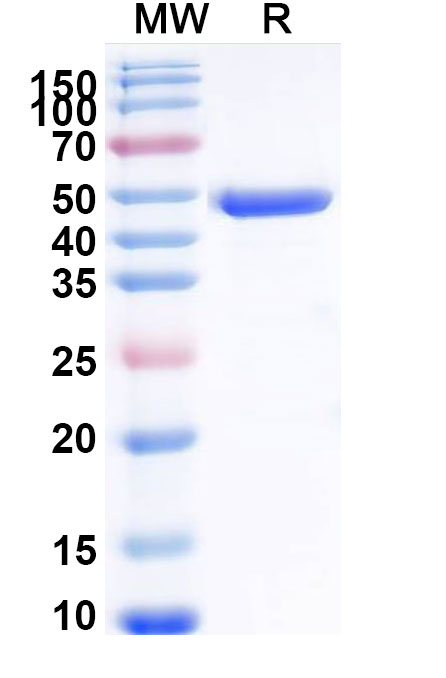
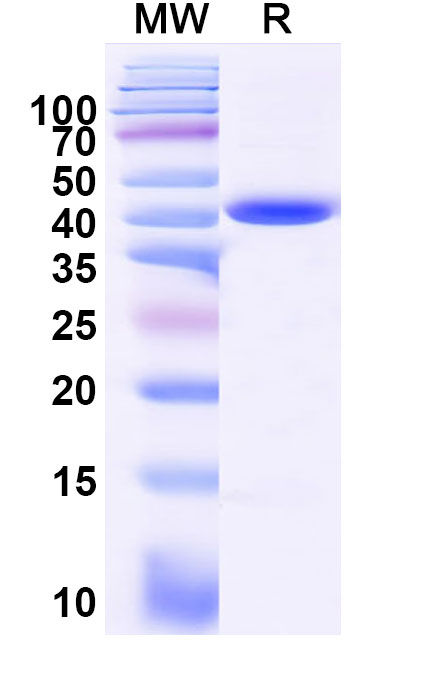
The recombinant form of SERPINA12 is a single-chain glycoprotein with a molecular weight of approximately 45 kDa. It is composed of 396 amino acids and has a predicted isoelectric point of 5.8. The protein contains several conserved regions, including a reactive center loop (RCL) and a serpin domain, which are essential for its inhibitory activity.
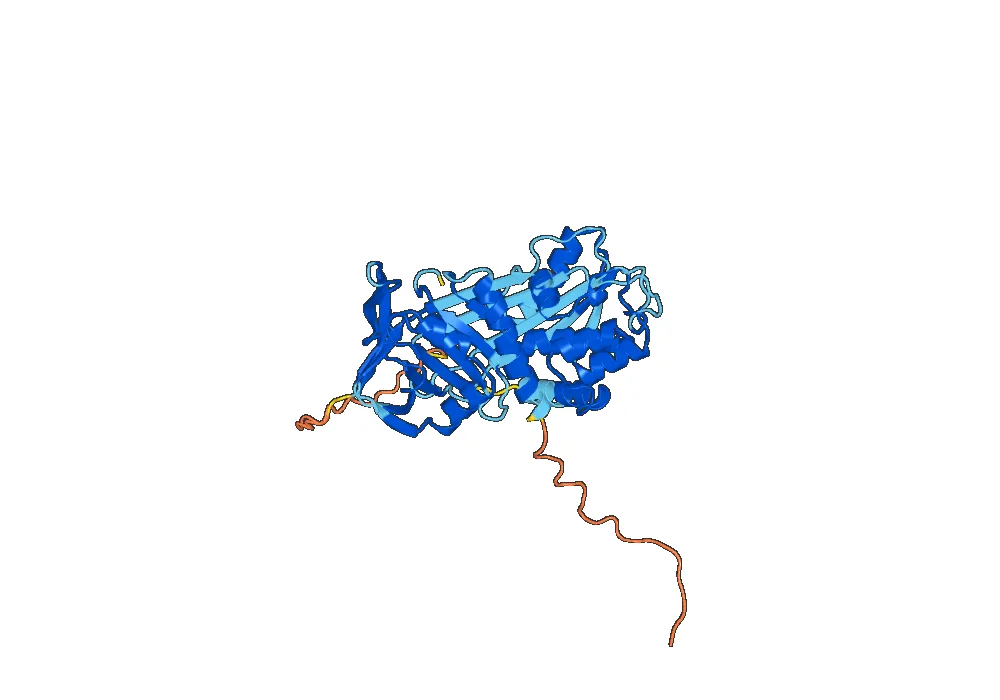
The crystal structure of recombinant human SERPINA12 has been determined, revealing its unique conformation. The protein has a characteristic serpin fold, with three beta-sheets and nine alpha-helices. The RCL is located at the top of the molecule and is able to undergo a conformational change upon binding to its target protease.
Activity of Recombinant Human SERPINA12
Recombinant Human SERPINA12 is a potent inhibitor of several serine proteases, including trypsin, chymotrypsin, and elastase. It works by binding to the active site of these enzymes, forming a covalent bond and irreversibly inhibiting their activity. This mechanism of action is similar to other serpins, such as alpha-1 antitrypsin.
In addition to its protease inhibitory activity, recombinant human SERPINA12 has been shown to have other functions in the body. It has been found to play a role in insulin sensitivity and glucose metabolism, as well as in the regulation of adipogenesis and inflammation. Studies have also suggested that it may have a protective effect against obesity and type 2 diabetes.
Application of Recombinant Human SERPINA12
The potential therapeutic applications of recombinant human SERPINA12 are vast, given its diverse functions in the body. It has been studied for its potential use in treating obesity, insulin resistance, and type 2 diabetes. Some studies have also suggested its potential as a biomarker for these conditions, as well as for cardiovascular disease.
Recombinant human SERPINA12 has also been investigated for its role in cancer. It has been found to inhibit the growth and metastasis of certain types of cancer cells, making it a potential target for cancer therapy. Additionally, it has been studied for its potential use in treating neurodegenerative diseases, such as Alzheimer’s and Parkinson’s.
The recombinant protein has also been used in research to study the role of SERPINA12 in various physiological processes. It has been used to investigate its function in adipose tissue, the liver, and the pancreas. Additionally, it has been used to study its potential as a biomarker for various diseases and conditions.
Conclusion
In summary, recombinant human SERPINA12 is a unique protein with diverse functions in the body. Its structure, activity, and potential applications make it a promising target for therapeutic interventions and a valuable tool for scientific research. Further studies are needed to fully understand the role of this protein in various physiological processes and to explore its potential for clinical use.



There are no reviews yet.