Title: Introduction to Recombinant Human SECISBP2 Protein
Recombinant Human SECISBP2 Protein, also known as SECIS Binding Protein 2, is a protein that plays a crucial role in the synthesis of selenoproteins. Selenoproteins are a group of proteins that contain the essential trace element selenium, which is important for various biological processes such as antioxidant defense, thyroid hormone metabolism, and immune function. The SECISBP2 protein is involved in the incorporation of selenium into selenoproteins, making it an essential component of the cellular machinery.
Structure of Recombinant Human SECISBP2 Protein
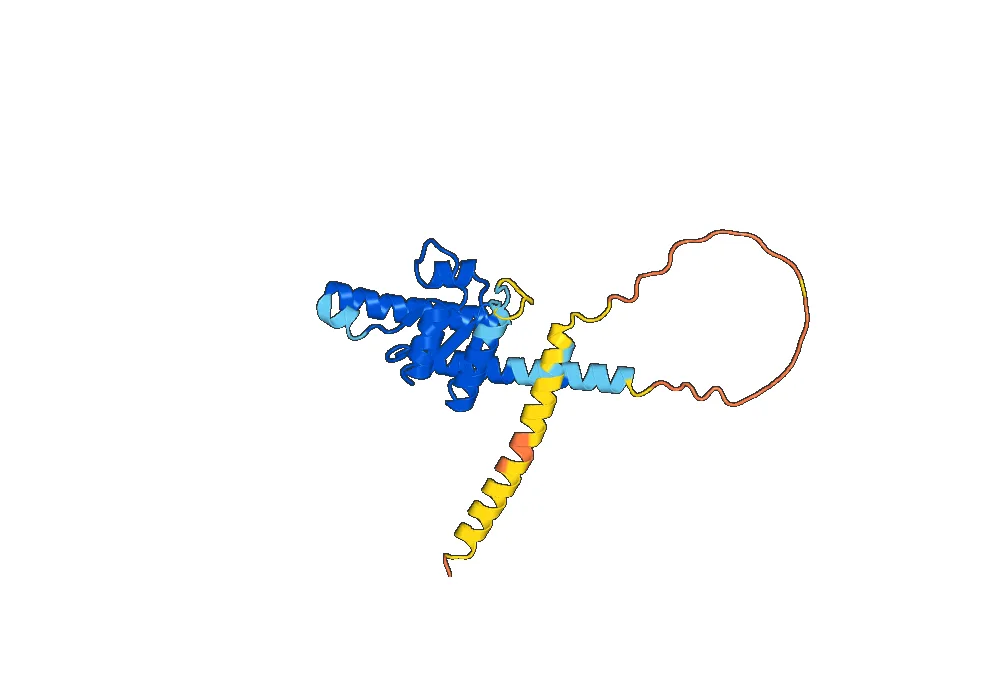
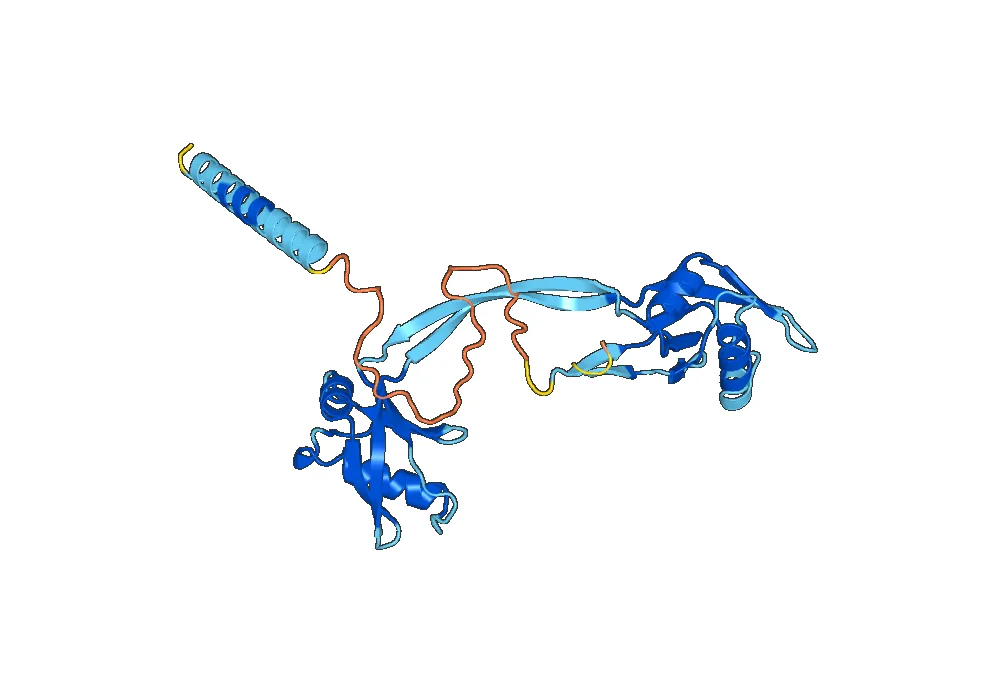
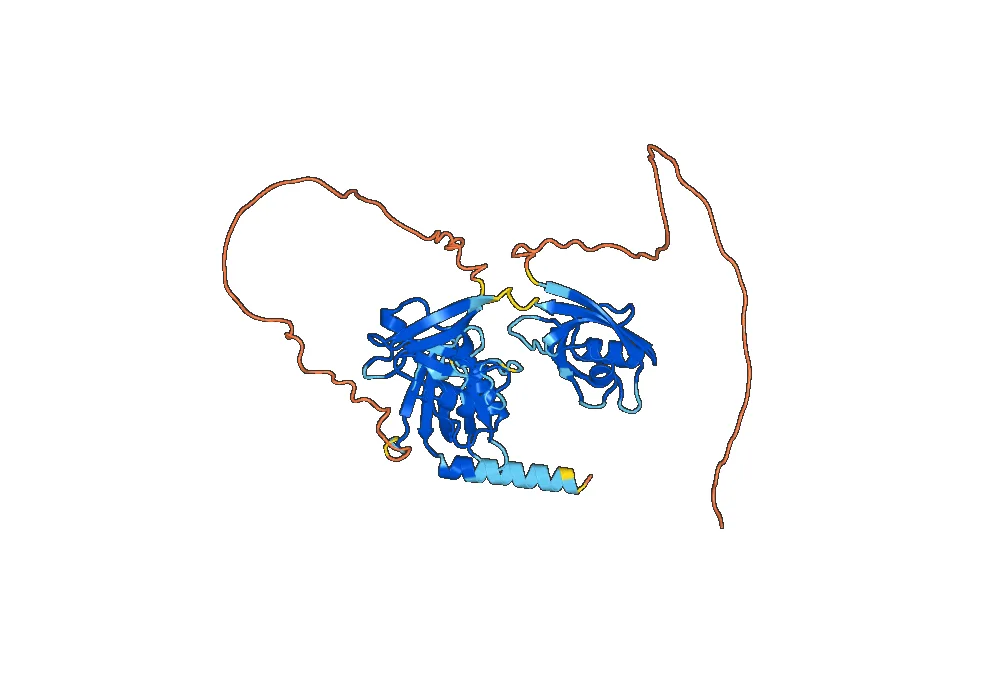
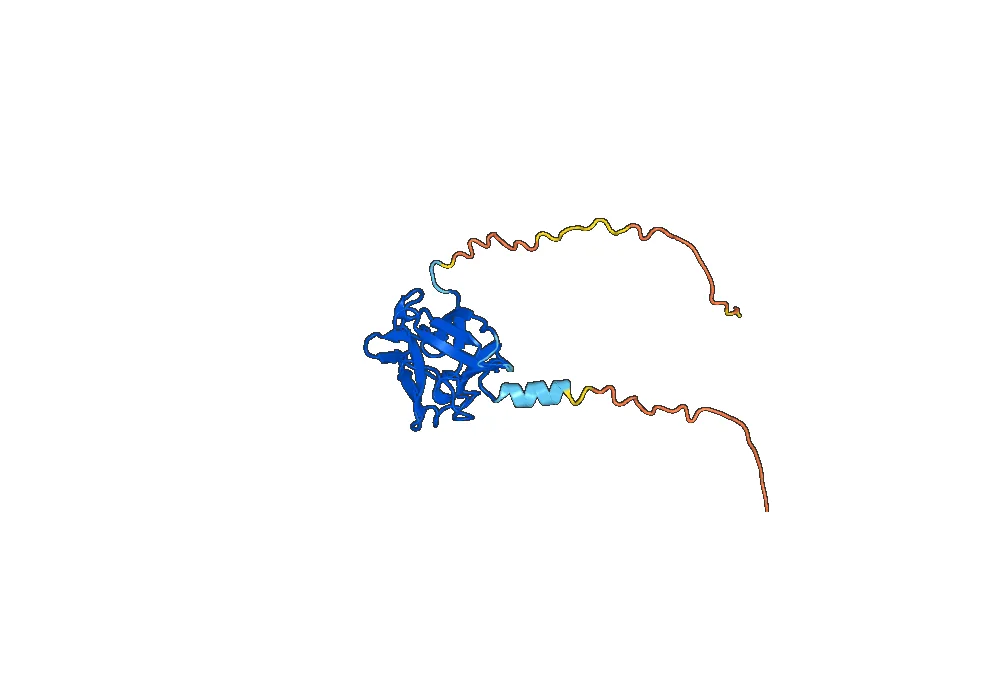
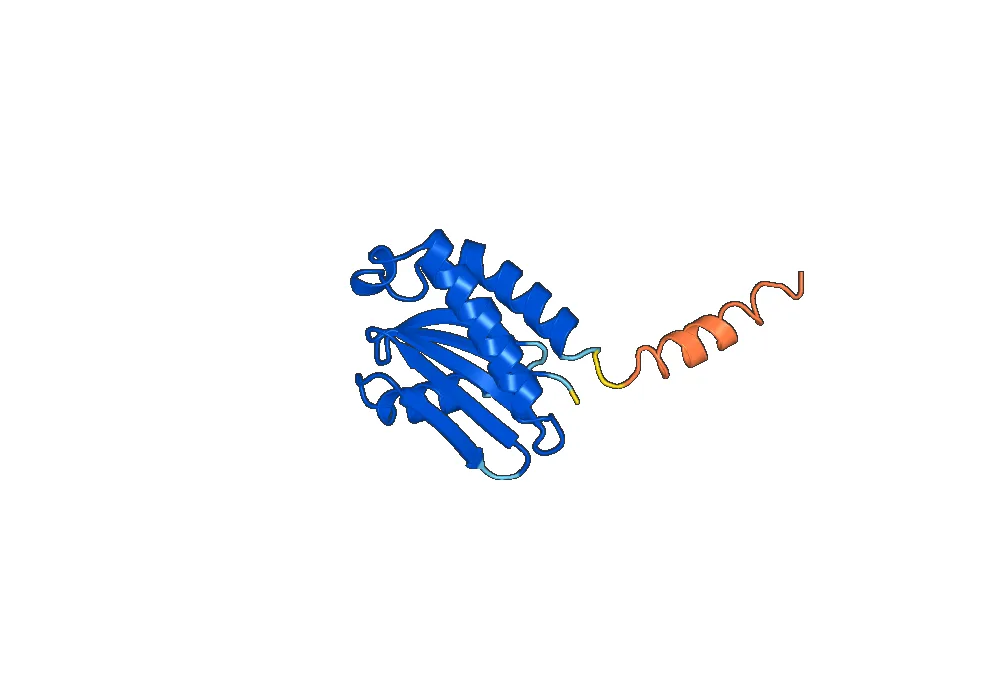
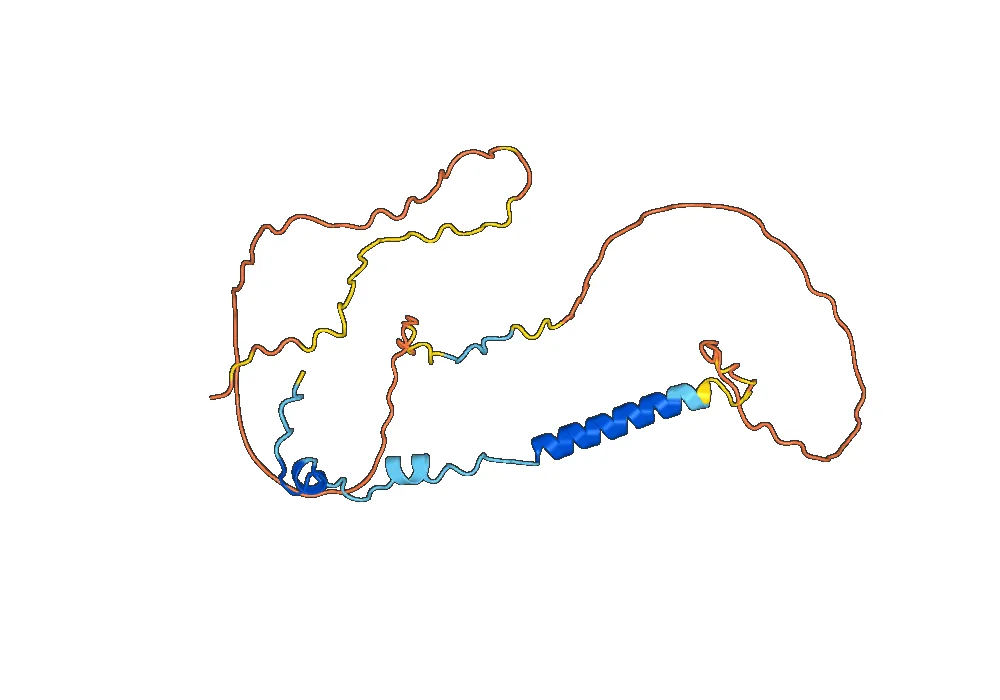
The SECISBP2 protein is encoded by the SECISBP2 gene, located on chromosome 1 in humans. The protein consists of 1,048 amino acids and has a molecular weight of approximately 120 kDa. It contains several functional domains, including an RNA-binding domain, a zinc finger domain, and a selenocysteine insertion sequence (SECIS) binding domain. These domains are essential for the protein’s function in recognizing and binding to the SECIS element, a specific RNA sequence found in the 3′ untranslated region of selenoprotein mRNAs.
Activity of Recombinant Human SECISBP2 Protein
The primary function of the SECISBP2 protein is to facilitate the incorporation of selenium into selenoproteins. This process involves the recognition and binding of the SECIS element in the mRNA of selenoproteins, followed by the recruitment of specific components of the cellular machinery, including the selenocysteine transfer RNA (tRNA), to the site of translation. The SECISBP2 protein also plays a role in the regulation of selenoprotein synthesis by modulating the efficiency of selenocysteine incorporation into the growing polypeptide chain.
Application of Recombinant Human SECISBP2 Protein
Recombinant Human SECISBP2 Protein has various applications in both research and therapeutic settings. In research, it is used to study the mechanisms of selenoprotein synthesis and the role of selenium in cellular processes. It is also used to investigate the function of specific selenoproteins, as the SECISBP2 protein is essential for their proper synthesis. In addition, recombinant SECISBP2 protein can be used to screen for compounds that modulate selenoprotein synthesis, making it a valuable tool in drug discovery.
In therapeutic applications, recombinant SECISBP2 protein can be used to treat diseases associated with selenium deficiency. These include Keshan disease, a heart disease prevalent in certain regions of China where selenium intake is low, and Kashin-Beck disease, a type of osteoarthritis found in areas with selenium-poor soil. By providing the necessary SECISBP2 protein, recombinant SECISBP2 protein therapy can enhance the synthesis of selenoproteins and alleviate the symptoms of these diseases.
Conclusion
In summary, Recombinant Human SECISBP2 Protein is a vital component in the synthesis of selenoproteins, which are essential for various biological processes. Its structure, activity, and application make it a valuable tool in both research and therapeutic settings. With the increasing interest in the role of selenium in health and disease, the use of recombinant SECISBP2 protein is likely to expand, providing further insights into the complex mechanisms of selenoprotein synthesis and potential treatments for selenium-related disorders.



There are no reviews yet.