Recombinant Human RAD1 Protein: Structure, Activity, and Applications
Introduction
Recombinant human RAD1 protein is a key component of the DNA damage response pathway, playing a crucial role in maintaining genomic stability. This protein is encoded by the RAD1 gene and is conserved across species, with the human version sharing 97% sequence similarity with its yeast counterpart. In this article, we will explore the structure, activity, and applications of this important protein.
Structure of Recombinant Human RAD1 Protein
The RAD1 protein belongs to the RAD1/RAD10 endonuclease family and contains 317 amino acids. It is composed of three distinct domains: the N-terminal domain, the central domain, and the C-terminal domain. The N-terminal domain is responsible for binding to other proteins, while the central domain contains the endonuclease activity of RAD1. The C-terminal domain is involved in DNA binding and recognition.
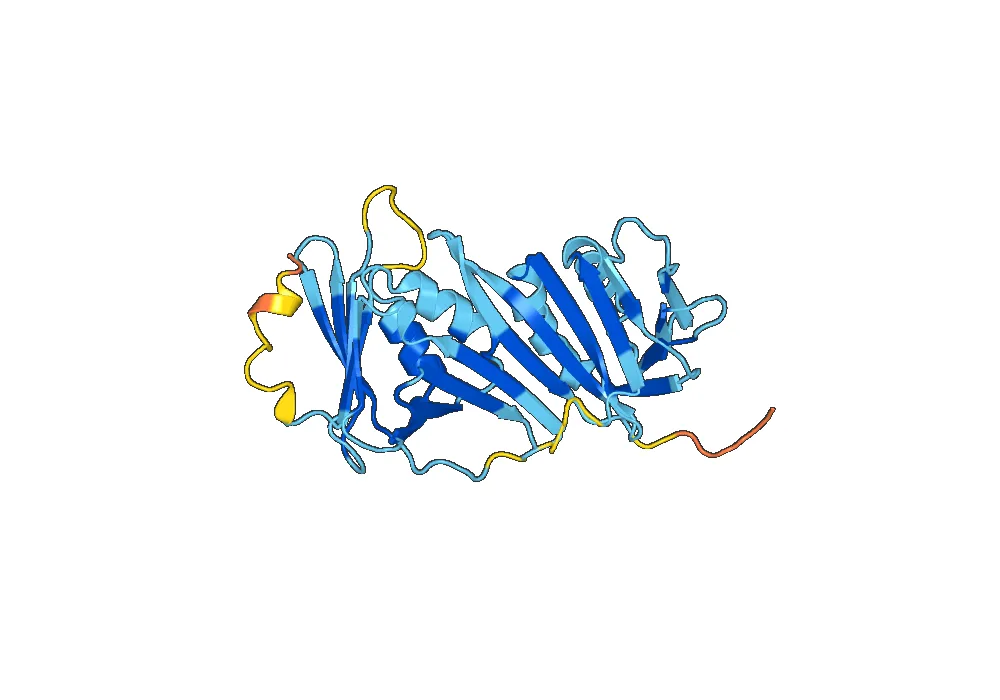
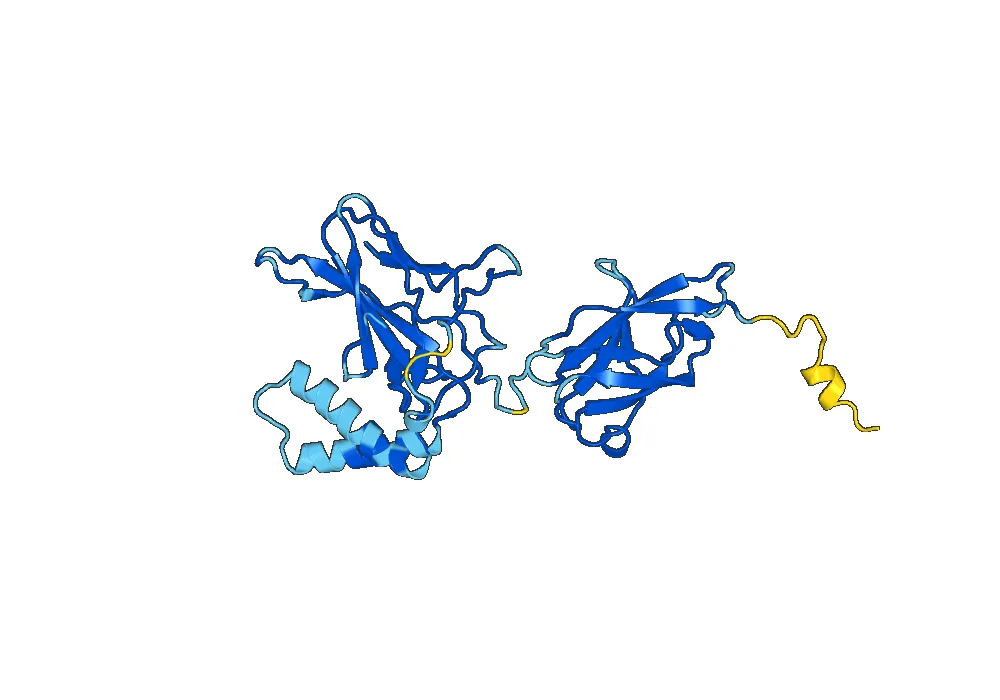
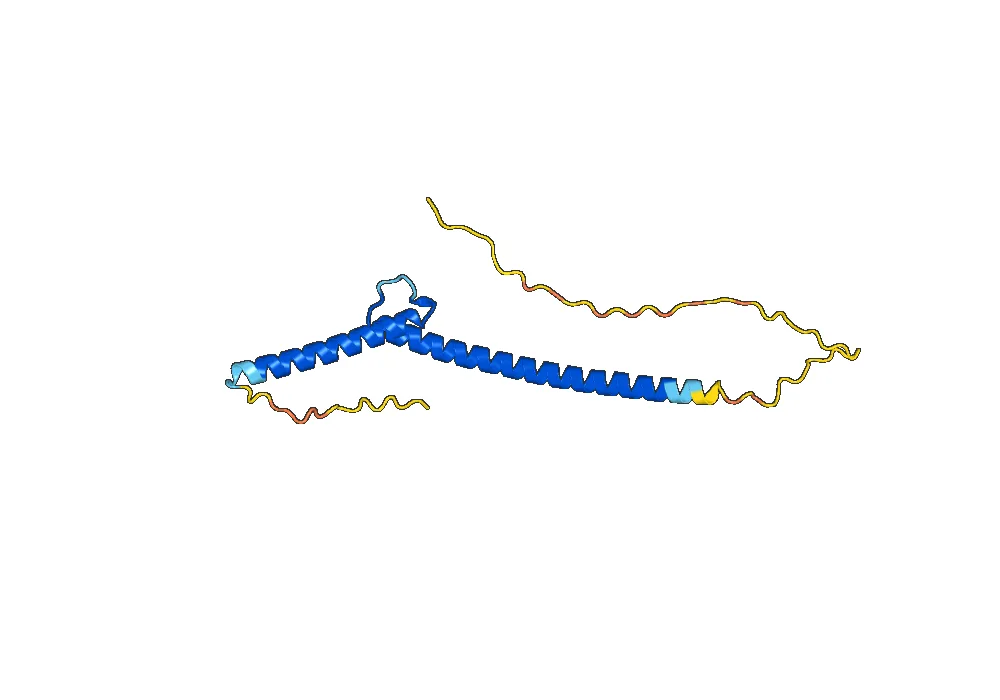
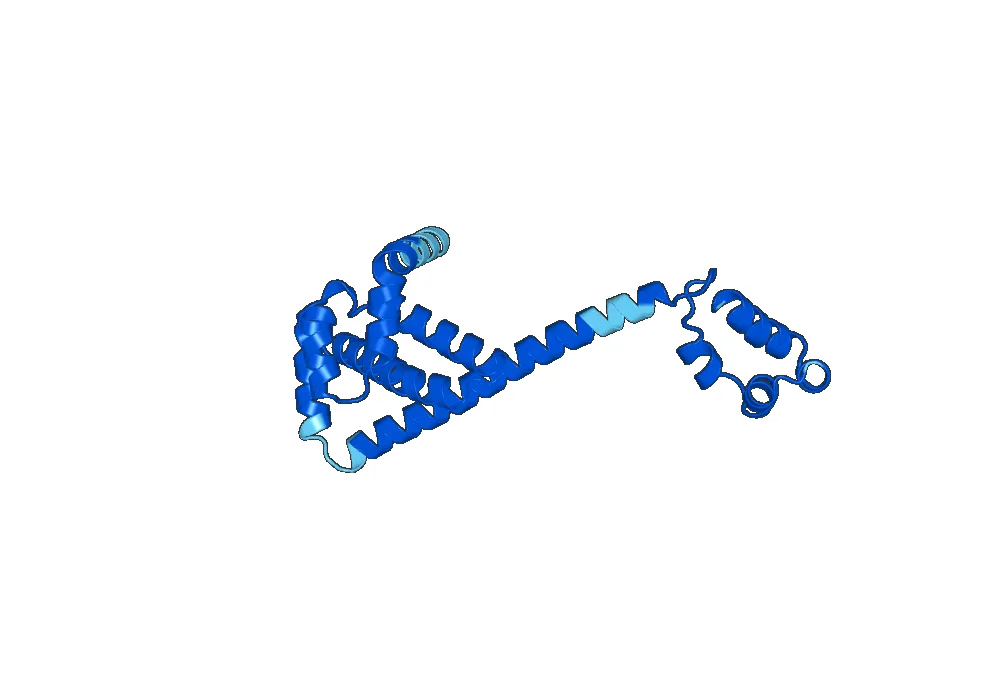
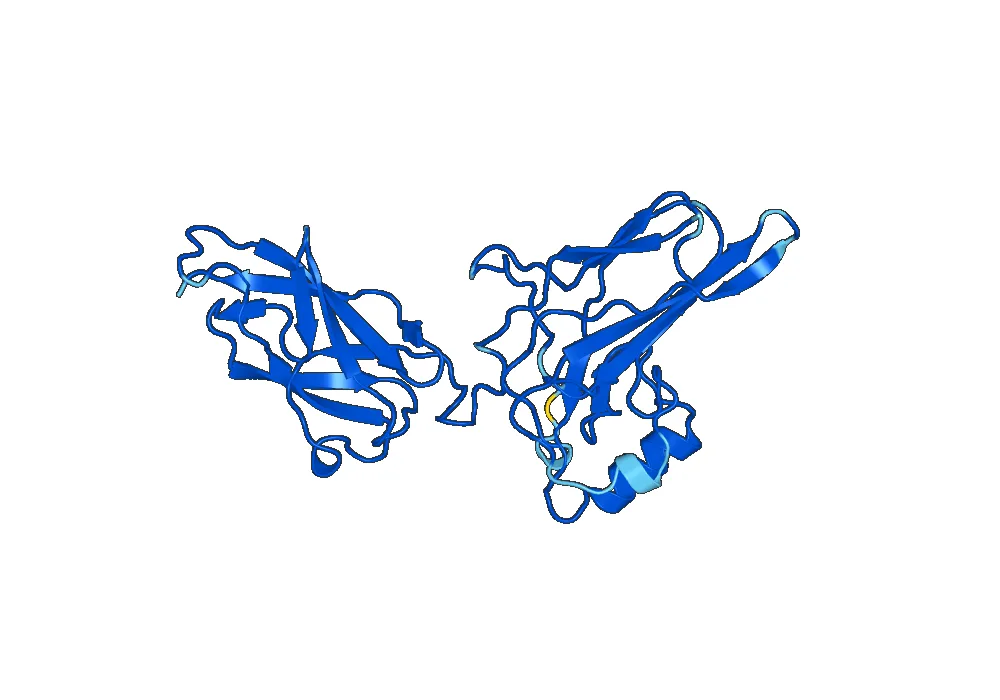
The crystal structure of recombinant human RAD1 protein has been determined and reveals a globular protein with a unique fold. The central domain contains a conserved metal-binding site, which is essential for its endonuclease activity. The N-terminal and C-terminal domains are connected by a flexible linker region, allowing for conformational changes during DNA binding and repair processes.
Activity of Recombinant Human RAD1 Protein
The main function of RAD1 protein is to act as an endonuclease in the DNA damage response pathway. This protein is a subunit of the heterotrimeric complex known as the Rad1-Rad9-Hus1 (9-1-1) complex, which is recruited to sites of DNA damage. The endonuclease activity of RAD1 is crucial for the recognition and processing of DNA lesions, such as single-strand breaks and mismatched base pairs.
Upon binding to damaged DNA, the 9-1-1 complex activates the ATR kinase, which initiates a cascade of events leading to DNA repair. RAD1 plays a key role in this process by creating a nick in the DNA strand near the site of damage, allowing for the recruitment of other repair proteins. In addition to its endonuclease activity, RAD1 has also been shown to have DNA helicase activity, further contributing to its role in DNA repair.
Applications of Recombinant Human RAD1 Protein
The crucial role of RAD1 protein in maintaining genomic stability makes it an important target for research and potential therapeutic applications. Recombinant human RAD1 protein can be produced in large quantities using recombinant DNA technology, making it a valuable tool for studying its structure and function.
One potential application of recombinant RAD1 protein is in cancer research. Mutations in RAD1 have been linked to increased susceptibility to certain types of cancer, such as breast and ovarian cancer. By studying the effects of these mutations on the structure and activity of RAD1, researchers can gain a better understanding of the mechanisms underlying these diseases.
Furthermore, the endonuclease activity of RAD1 makes it a potential target for cancer therapy. Inhibitors of RAD1 could potentially be developed to block its activity, leading to increased sensitivity of cancer cells to DNA damage and potentially improving the efficacy of chemotherapy.
Conclusion
In summary, recombinant human RAD1 protein is a key component of the DNA damage response pathway, with a crucial role in maintaining genomic stability. Its unique structure and endonuclease activity make it an important target for research and potential therapeutic applications. Further studies on this protein will continue to enhance our understanding of its role in DNA repair and its potential as a target for


There are no reviews yet.