Introduction to Recombinant Human PTGES2
Recombinant Human PTGES2, also known as Prostaglandin E Synthase 2, is a protein that plays a crucial role in the production of prostaglandin E2 (PGE2), a lipid mediator involved in various physiological processes such as inflammation, pain, and fever. This protein is encoded by the PTGES2 gene and is expressed in various tissues including the brain, kidney, and reproductive organs.
Structure of Recombinant Human PTGES2
Recombinant Human PTGES2 is a 16-kDa protein consisting of 150 amino acids. It belongs to the membrane-associated proteins in eicosanoid and glutathione metabolism (MAPEG) family, which also includes microsomal glutathione S-transferase, leukotriene C4 synthase, and 5-lipoxygenase-activating protein. PTGES2 has a unique N-terminal transmembrane domain and a C-terminal cytoplasmic domain, which contains the active site for PGE2 synthesis.
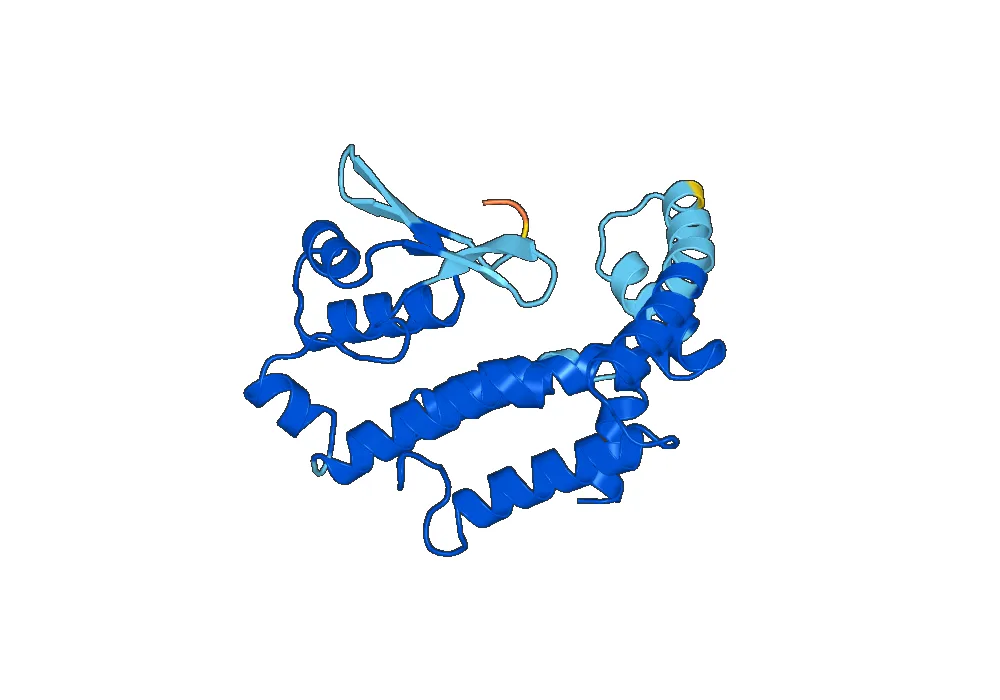
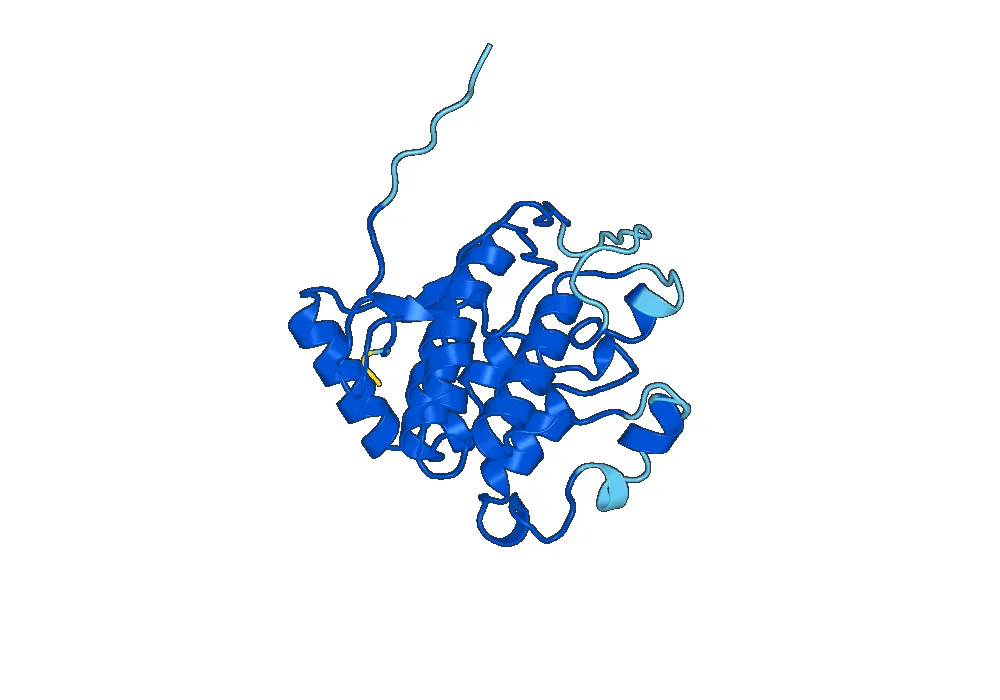
The three-dimensional structure of Recombinant Human PTGES2 has been determined through X-ray crystallography, revealing a trimeric assembly with each monomer consisting of four alpha-helices and a beta-sheet. The active site is located at the interface of two monomers, with the conserved catalytic triad of glutamate, arginine, and tyrosine residues essential for PGE2 synthesis.
Activity of Recombinant Human PTGES2
Recombinant Human PTGES2 catalyzes the isomerization of prostaglandin H2 (PGH2) to PGE2, the most abundant prostanoid in the human body. This reaction involves the transfer of a hydroperoxide group from PGH2 to glutathione, resulting in the formation of PGE2-GSH, a precursor of PGE2. The PGE2-GSH intermediate is then hydrolyzed to produce PGE2 and glutathione, which can be recycled for further PGE2 synthesis.
PTGES2 plays a crucial role in maintaining the balance of PGE2 levels in the body. It is responsible for the production of PGE2 in response to various stimuli, such as cytokines, growth factors, and inflammatory mediators. PGE2 acts through its receptors to mediate diverse biological responses, including vasodilation, pain, fever, and inflammation.
Application of Recombinant Human PTGES2
Recombinant Human PTGES2 has been widely used in studies investigating the role of PGE2 in various physiological and pathological conditions. It has also been used in drug discovery and development as a target for the treatment of inflammatory diseases, such as rheumatoid arthritis, asthma, and inflammatory bowel disease.
Recombinant Human PTGES2 has been expressed in various systems, including bacteria, yeast, and mammalian cells, to produce large quantities of the protein for biochemical and structural studies. It has also been used as an antigen for the production of specific antibodies to study the expression and localization of PTGES2 in different tissues and cell types.
Furthermore, Recombinant Human PTGES2 has been used in the development of high-throughput screening assays to identify potential inhibitors of PGE2 synthesis. These inhibitors can be used as lead compounds for the development of new drugs targeting PTGES2, which could provide more specific and effective treatments for inflammatory diseases.
Conclusion
Recombinant Human PTGES2 is a crucial protein involved in the production of PGE2, a lipid mediator with diverse physiological functions. Its unique structure and catalytic activity make it an attractive target for drug discovery and development. With ongoing research, the role of PTGES2 in various diseases and its potential as a therapeutic target will continue to be explored, leading to a

There are no reviews yet.