Introduction
Recombinant proteins, also known as genetically engineered proteins, are proteins that are produced through genetic engineering techniques. These proteins have become essential tools in various fields of research and have numerous applications in medicine, biotechnology, and industry. One such recombinant protein is the Recombinant Human PPM1K Protein, which has gained significant attention due to its unique structure and diverse functions. In this article, we will explore the structure, activity, and application of this important protein.
Structure of Recombinant Human PPM1K Protein
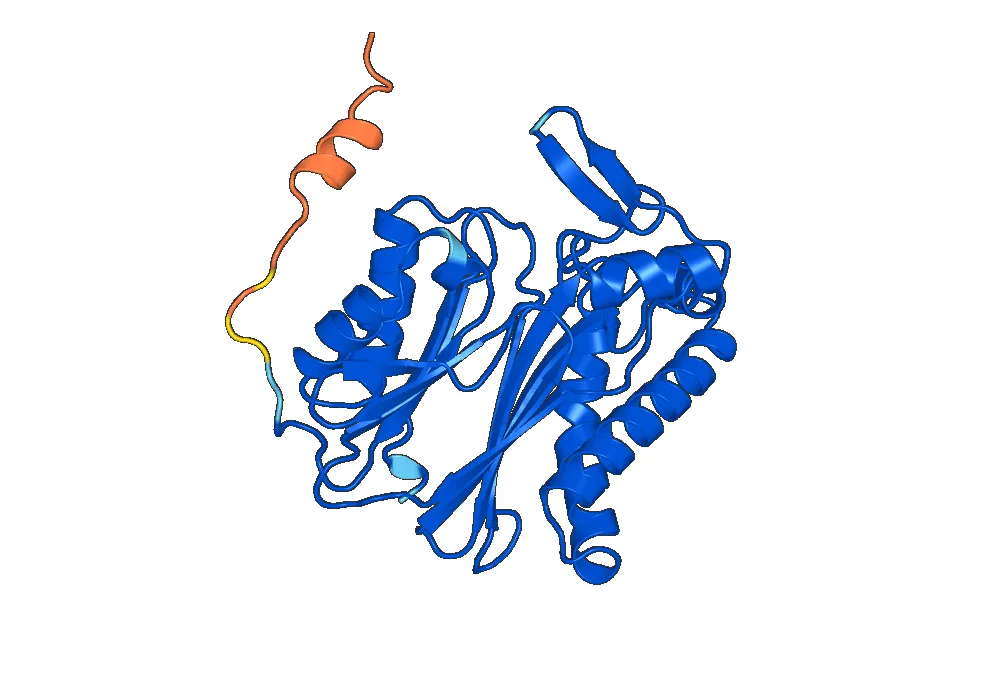
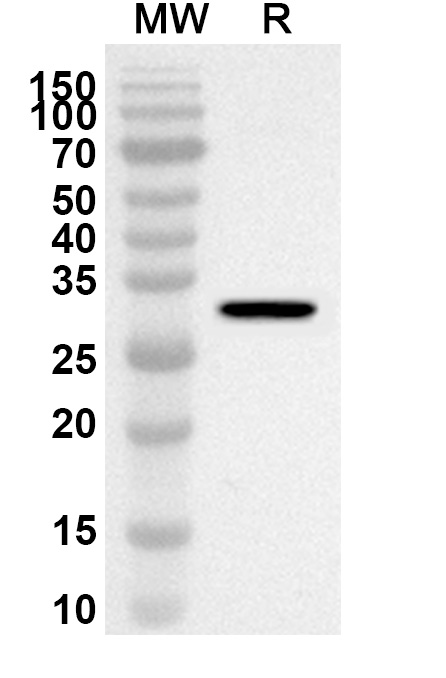
The Recombinant Human PPM1K Protein is a 72 kDa protein that belongs to the protein phosphatase 2C (PP2C) family. It is encoded by the PPM1K gene, located on chromosome 4 in humans. The protein contains 664 amino acids and has a conserved PP2C domain, which is responsible for its phosphatase activity.
The protein has a unique structure, with a central catalytic domain flanked by two regulatory domains. The N-terminal regulatory domain contains a mitochondrial localization signal, which targets the protein to the mitochondria. The C-terminal regulatory domain contains a leucine zipper motif, which is involved in protein-protein interactions.
Recombinant Human PPM1K Protein can be produced in various expression systems such as bacteria, yeast, and mammalian cells. The recombinant protein is then purified to achieve high levels of purity and activity, making it suitable for various applications.
Activity of Recombinant Human PPM1K Protein
The primary function of Recombinant Human PPM1K Protein is to dephosphorylate serine/threonine residues in target proteins. It acts as a negative regulator of the mammalian target of rapamycin (mTOR) signaling pathway, which is involved in cell growth and metabolism. By dephosphorylating mTOR, PPM1K inhibits its activity, leading to a decrease in protein synthesis and cell growth.
In addition to its role in the mTOR pathway, Recombinant Human PPM1K Protein also plays a crucial role in maintaining mitochondrial function. It dephosphorylates and regulates the activity of various mitochondrial proteins involved in energy metabolism, oxidative stress response, and apoptosis. This activity is essential for maintaining cellular homeostasis and preventing diseases such as cancer and neurodegeneration.
Application of Recombinant Human PPM1K Protein
The unique structure and activity of Recombinant Human PPM1K Protein make it a valuable tool in various research areas. Its ability to regulate the mTOR pathway makes it an essential protein in cancer research, where dysregulation of mTOR signaling is a common feature. The recombinant protein can be used to study the role of PPM1K in cancer development and identify potential therapeutic targets.
Furthermore, the protein’s role in maintaining mitochondrial function makes it a potential target for the treatment of diseases associated with mitochondrial dysfunction, such as Parkinson’s disease and Alzheimer’s disease. Recombinant Human PPM1K Protein can be used to study the mechanisms underlying these diseases and develop new therapeutic strategies.
Moreover, the recombinant protein has industrial applications as well. It can be used in the production of biofuels and bioplastics, as well as in the development of new drugs and biopharmaceuticals.
Conclusion
In conclusion, Recombinant Human PPM1K Protein is a versatile protein with a unique structure and diverse functions. Its role in regulating the mTOR pathway and maintaining mitochondrial function makes it an essential protein in various fields of research and has numerous potential applications. With ongoing research, the full potential of this protein is yet to be discovered,
There are no reviews yet.