Introduction
Recombinant proteins have revolutionized the field of biotechnology and have become essential tools in various scientific applications. One such protein is the Recombinant Human POLB Protein, which has gained significant attention due to its unique structure, activity, and potential applications. In this article, we will delve into the details of this protein and explore its role in the scientific community.
Structure of Recombinant Human POLB Protein
Recombinant Human POLB Protein, also known as DNA polymerase beta, is a 39 kDa protein that consists of 335 amino acids. It is encoded by the POLB gene located on chromosome 8 in humans. The protein contains two domains, an N-terminal 8 kDa domain and a C-terminal 31 kDa domain, connected by a flexible linker region. The N-terminal domain is responsible for the polymerase activity, while the C-terminal domain has the 5′-deoxyribose-5-phosphate lyase activity.
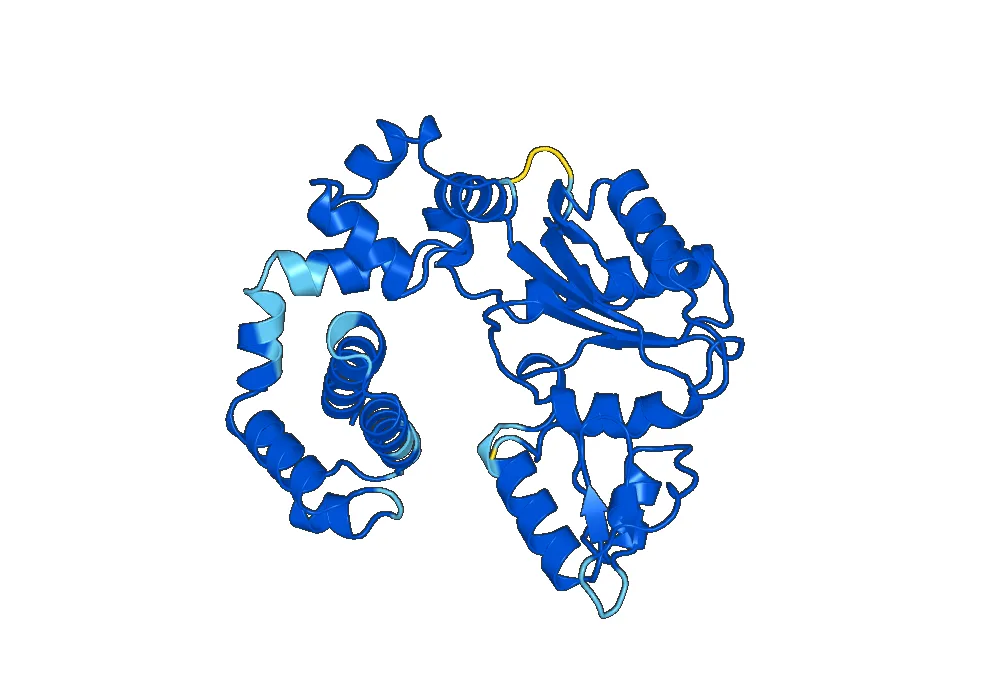
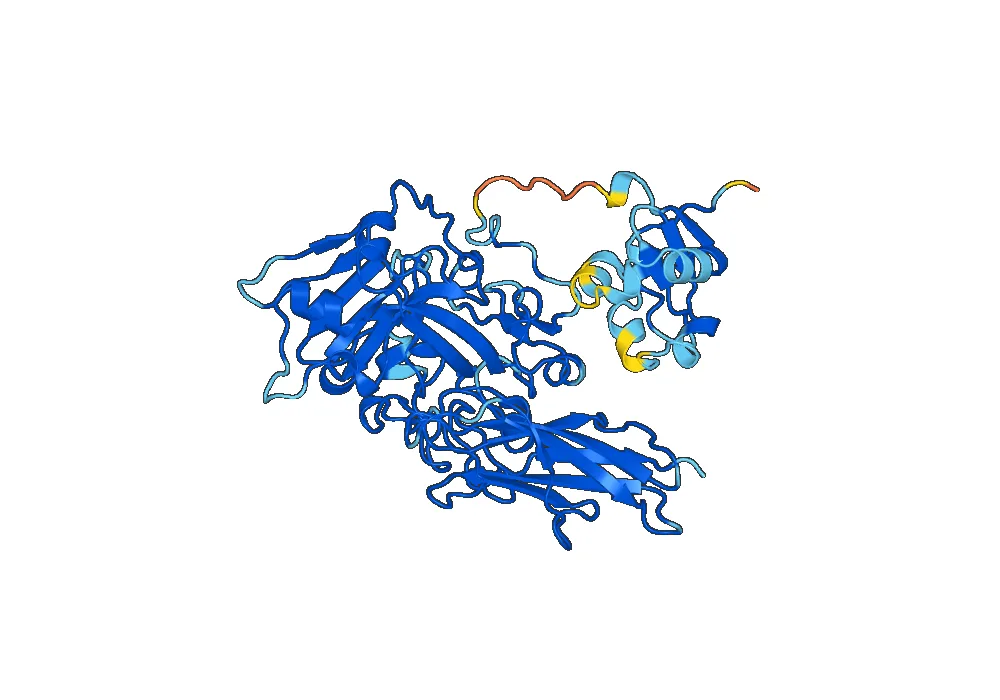
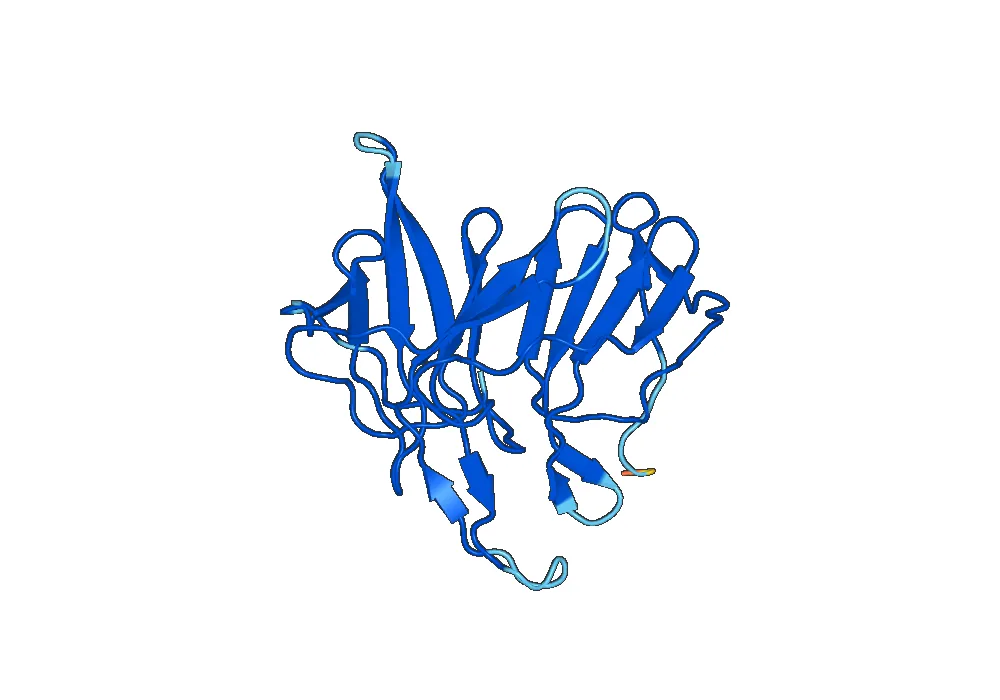
The crystal structure of Recombinant Human POLB Protein has been extensively studied, revealing its unique features. The protein has a compact, globular structure with a central beta-sheet surrounded by alpha-helices. The active site of the polymerase domain contains two conserved aspartate residues that play a crucial role in the catalytic activity of the enzyme. The 5′-deoxyribose-5-phosphate lyase domain has a beta-hairpin structure that helps in binding the DNA substrate.
Activity of Recombinant Human POLB Protein
Recombinant Human POLB Protein is a multifunctional enzyme that plays a vital role in DNA repair and replication. It is involved in the base excision repair (BER) pathway, which is responsible for repairing damaged DNA bases. The polymerase activity of the protein helps in filling the gaps in the DNA strand, while the lyase activity removes the damaged nucleotides. This process ensures the integrity of the genetic material and prevents mutations that can lead to various diseases, including cancer.
In addition to its role in DNA repair, Recombinant Human POLB Protein has also been found to have translesion synthesis activity. This means that it can bypass lesions in the DNA and continue the replication process, thereby preventing replication stalling and maintaining genomic stability.
Application of Recombinant Human POLB Protein
The unique structure and activity of Recombinant Human POLB Protein have made it a valuable tool in various scientific applications. One of its most significant applications is in the development of diagnostic tools for DNA damage and repair. The protein can be used to detect DNA lesions and assess the efficiency of DNA repair mechanisms in different cell types.
Recombinant Human POLB Protein has also been used in drug discovery and development. As it plays a crucial role in DNA repair, targeting this protein could potentially lead to the development of new drugs for cancer and other diseases caused by DNA damage. Additionally, the protein has been used in gene therapy to repair genetic mutations and restore normal gene function.
Furthermore, Recombinant Human POLB Protein has been studied for its potential as a biomarker for various diseases. Its expression levels have been found to be altered in certain cancers, making it a potential diagnostic and prognostic marker.
Conclusion
In conclusion, Recombinant Human POLB Protein is a unique and versatile protein with a crucial role in DNA repair and replication. Its structure and activity have made it a valuable tool in various scientific applications, including diagnostics, drug development, and gene therapy. Further research on this protein is essential to fully understand its potential and expand its applications in the future.


There are no reviews yet.