Introduction to Recombinant Human PHLDA1 Protein
Recombinant Human PHLDA1 Protein is a highly specialized protein that plays a crucial role in regulating cell growth and proliferation. It is a member of the pleckstrin homology-like domain family, which is known for its involvement in various cellular processes such as signal transduction, cell differentiation, and apoptosis. PHLDA1 is a key factor in maintaining tissue homeostasis and its dysregulation has been linked to several diseases, making it a potential therapeutic target.
Structure of Recombinant Human PHLDA1 Protein
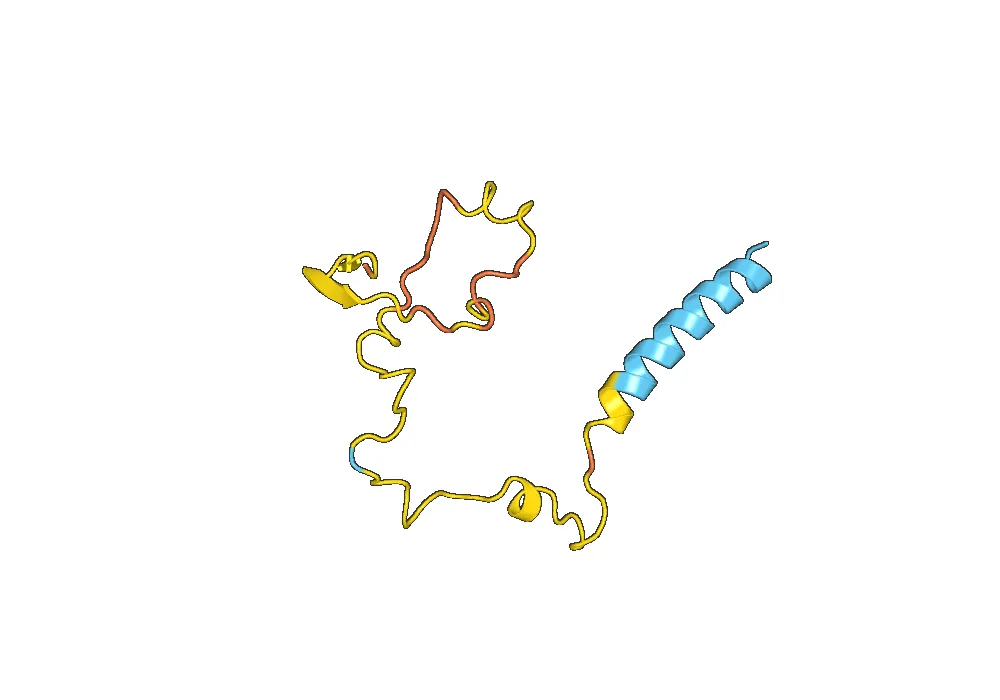
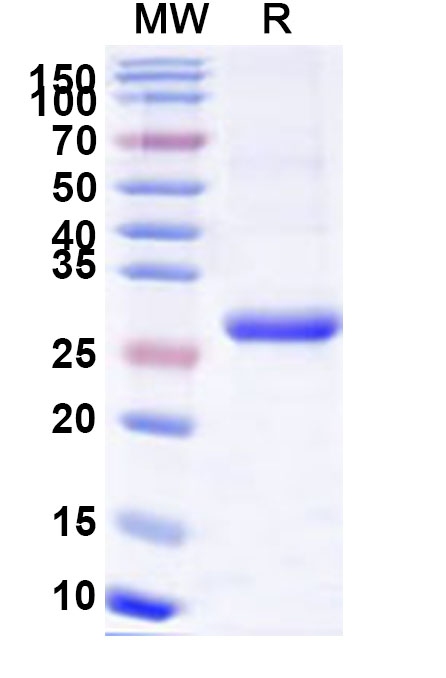
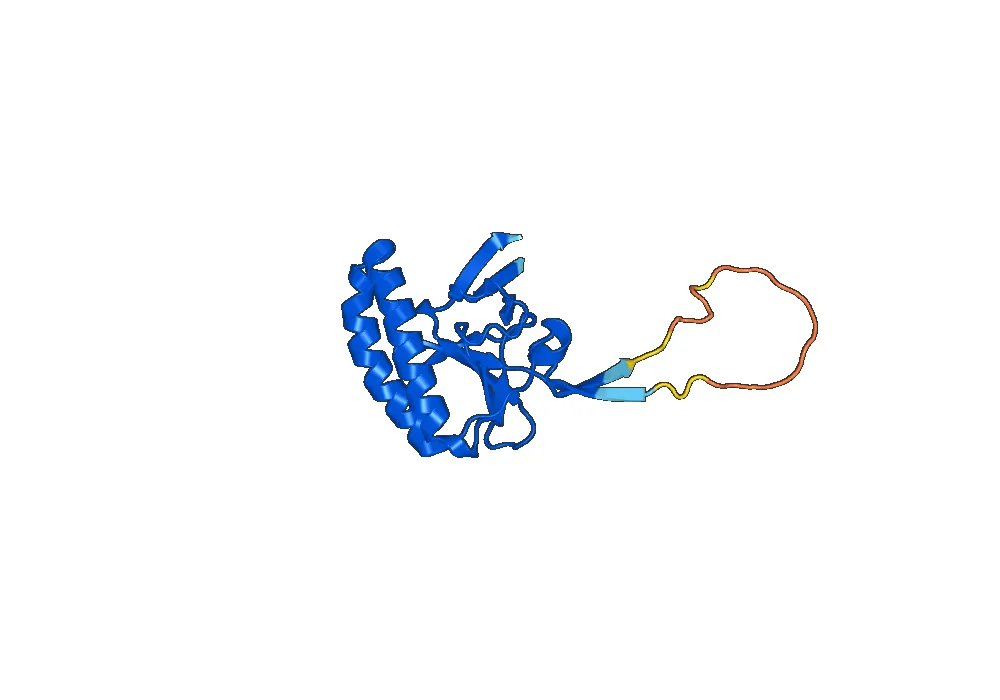
The recombinant human PHLDA1 protein is a 20 kDa protein that is composed of 186 amino acids. It has a unique structure consisting of a pleckstrin homology (PH) domain, a proline-rich region, and a C-terminal domain. The PH domain is responsible for binding to phospholipids, while the proline-rich region is involved in protein-protein interactions. The C-terminal domain contains a conserved motif that is crucial for its function.
Activity of Recombinant Human PHLDA1 Protein
The main function of recombinant human PHLDA1 protein is to regulate cell growth and proliferation. It acts as a negative regulator of the insulin signaling pathway by inhibiting the activation of Akt, a key protein involved in cell survival and proliferation. PHLDA1 also plays a role in apoptosis by promoting the degradation of anti-apoptotic proteins such as Bcl-2 and Bcl-xL. In addition, it has been shown to modulate the activity of several other signaling pathways, including the Wnt and TGF-β pathways.
Application of Recombinant Human PHLDA1 Protein
Due to its important role in regulating cell growth and proliferation, recombinant human PHLDA1 protein has been studied extensively for its potential applications in various diseases. Here are some of the key areas where this protein has shown promising results:
Cancer
PHLDA1 is frequently downregulated in various types of cancer, including breast, ovarian, and colon cancer. Its overexpression has been shown to inhibit tumor growth and induce apoptosis in cancer cells. Therefore, recombinant human PHLDA1 protein is being explored as a potential therapeutic agent for cancer treatment.
Diabetes
PHLDA1 has been implicated in the development of insulin resistance, a key factor in the development of type 2 diabetes. Studies have shown that recombinant human PHLDA1 protein can improve insulin sensitivity and glucose tolerance in animal models, making it a potential target for diabetes treatment.
Neurodegenerative diseases
PHLDA1 has been found to play a role in the regulation of neuronal cell death. Its overexpression has been shown to protect neurons from cell death, making it a potential therapeutic target for neurodegenerative diseases such as Alzheimer’s and Parkinson’s.
Autoimmune diseases
PHLDA1 has been shown to modulate the activity of immune cells, making it a potential target for autoimmune diseases such as rheumatoid arthritis and lupus. Recombinant human PHLDA1 protein has been studied for its potential to regulate the immune response and reduce inflammation in these diseases.
Cardiovascular diseases
Recent studies have shown that PHLDA1 is involved in the development of atherosclerosis, a major risk factor for cardiovascular diseases. Recombinant human PHLDA1 protein has shown potential in reducing the progression of atherosclerosis and may have therapeutic implications for cardiovascular diseases.
Conclusion
In conclusion, recombinant human PHLDA1 protein is a highly specialized protein with a unique structure and important functions in regulating cell growth and proliferation. Its dysregulation has been linked to various diseases, making it a potential therapeutic target. With ongoing research, this protein holds promise for the development of new treatments for cancer, diabetes, neurode


There are no reviews yet.