Introduction
Recombinant Human PEX3 Protein is a highly purified protein that is produced through recombinant DNA technology. It is a key component of the peroxisome biogenesis pathway and plays a crucial role in the formation and maintenance of peroxisomes in human cells. This protein has been extensively studied and has shown promising results in various research areas including cell biology, neurobiology, and metabolism.
Structure of Recombinant Human PEX3 Protein
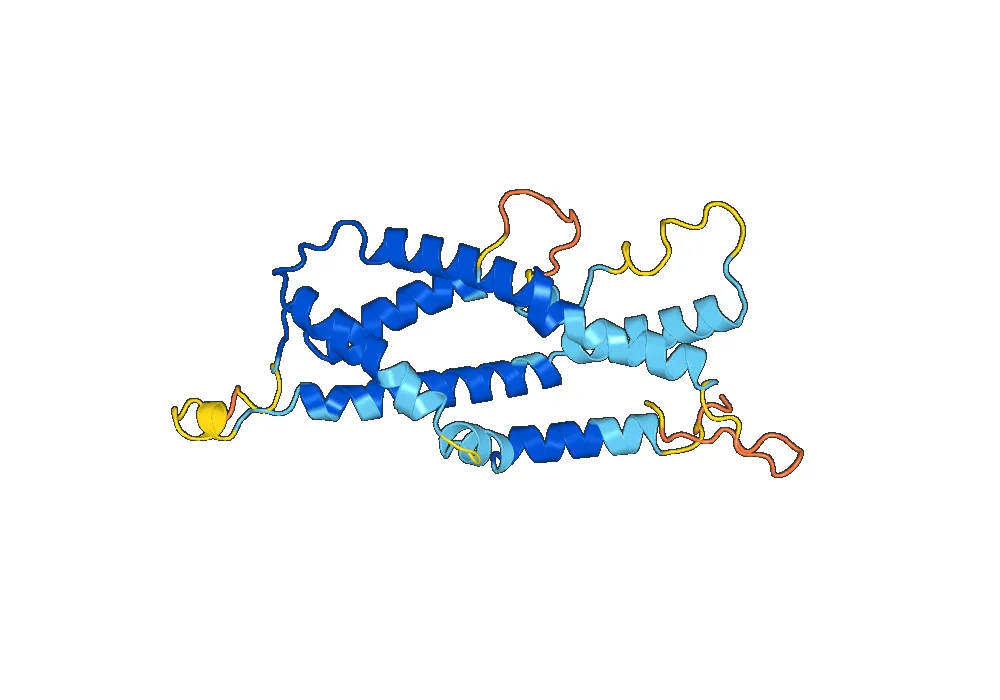
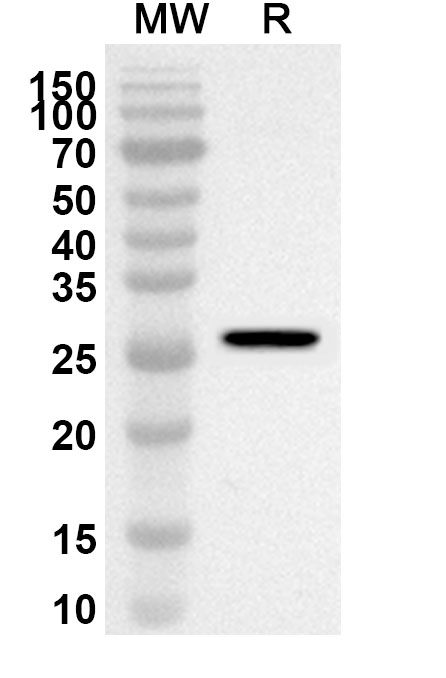
Recombinant Human PEX3 Protein is a 34-kDa protein that contains 300 amino acids. It is composed of two functional domains, an N-terminal domain and a C-terminal domain. The N-terminal domain is responsible for the interaction with other peroxins, while the C-terminal domain is involved in the interaction with peroxisomal membrane proteins. The protein also contains several transmembrane domains that facilitate its attachment to the peroxisomal membrane.
Activity of Recombinant Human PEX3 Protein
The main activity of Recombinant Human PEX3 Protein is its role in the biogenesis of peroxisomes. It acts as a chaperone protein and is essential for the import of other peroxisomal membrane proteins into the peroxisomal membrane. It also plays a crucial role in the formation of peroxisomal membrane structures and the maintenance of peroxisomal integrity. Studies have shown that mutations in the PEX3 gene can lead to peroxisomal disorders, highlighting the importance of this protein in peroxisome function.
Application of Recombinant Human PEX3 Protein
Recombinant Human PEX3 Protein has a wide range of applications in both research and medical fields. Its role in peroxisome biogenesis makes it a valuable tool for studying the formation and function of peroxisomes. It has been used in various studies to understand the molecular mechanisms involved in peroxisomal disorders and to develop potential treatments for these disorders.
One of the major applications of Recombinant Human PEX3 Protein is in the development of diagnostic tools. Antibodies against this protein have been used to detect peroxisomal disorders through immunofluorescence and western blotting techniques. This has greatly improved the accuracy and speed of diagnosis for these disorders.
In addition, Recombinant Human PEX3 Protein has also been used in drug discovery and development. As peroxisomal disorders are often caused by mutations in the PEX3 gene, this protein can serve as a target for potential therapies. By studying its structure and function, researchers can develop drugs that can modulate its activity and potentially treat peroxisomal disorders.
Conclusion
In summary, Recombinant Human PEX3 Protein is a crucial component of the peroxisome biogenesis pathway and plays a vital role in the formation and maintenance of peroxisomes. Its structure, activity, and applications have been extensively studied and have shown promising results in various research areas. This protein has the potential to aid in the diagnosis and treatment of peroxisomal disorders, making it a valuable tool in the scientific community.
There are no reviews yet.