Introduction to Recombinant Human NGRN Protein
Recombinant Human NGRN Protein, also known as Neugrin, is a protein that is encoded by the NGRN gene in humans. This protein is a member of the NGR family, which is a group of proteins that are involved in cell adhesion and migration. Recombinant Human NGRN Protein is produced through recombinant DNA technology, making it a highly purified and biologically active protein. In this article, we will discuss the structure, activity, and applications of this important protein.
Structure of Recombinant Human NGRN Protein
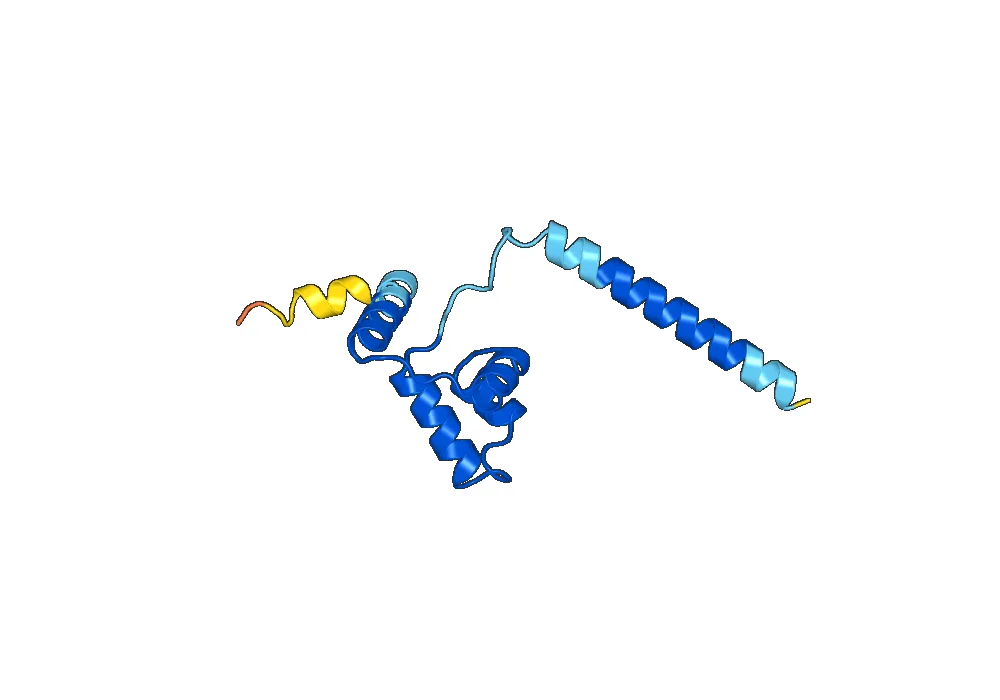
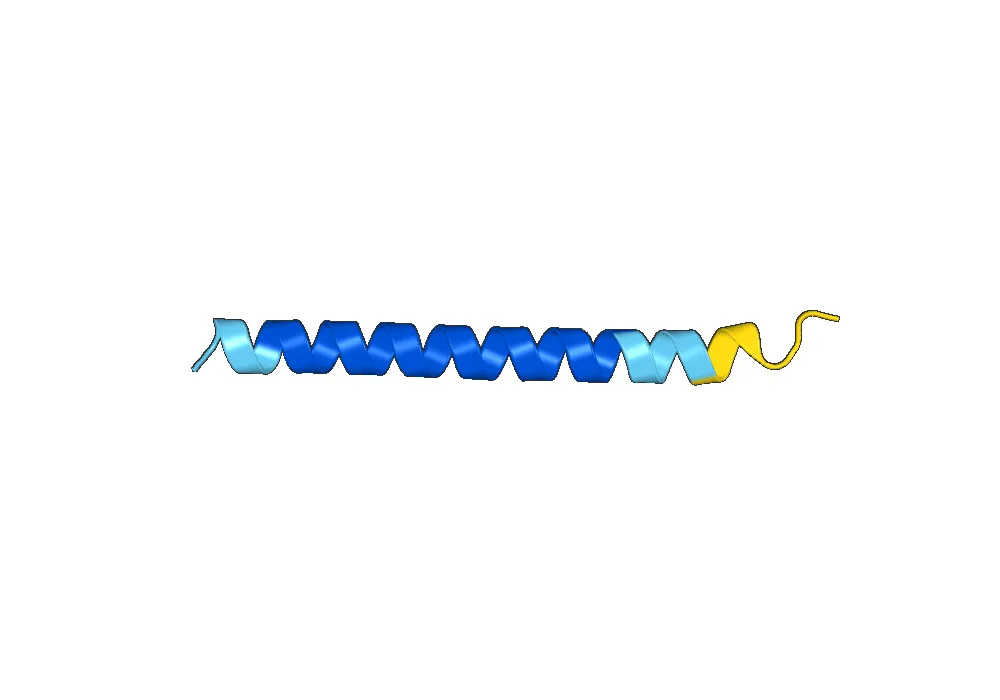
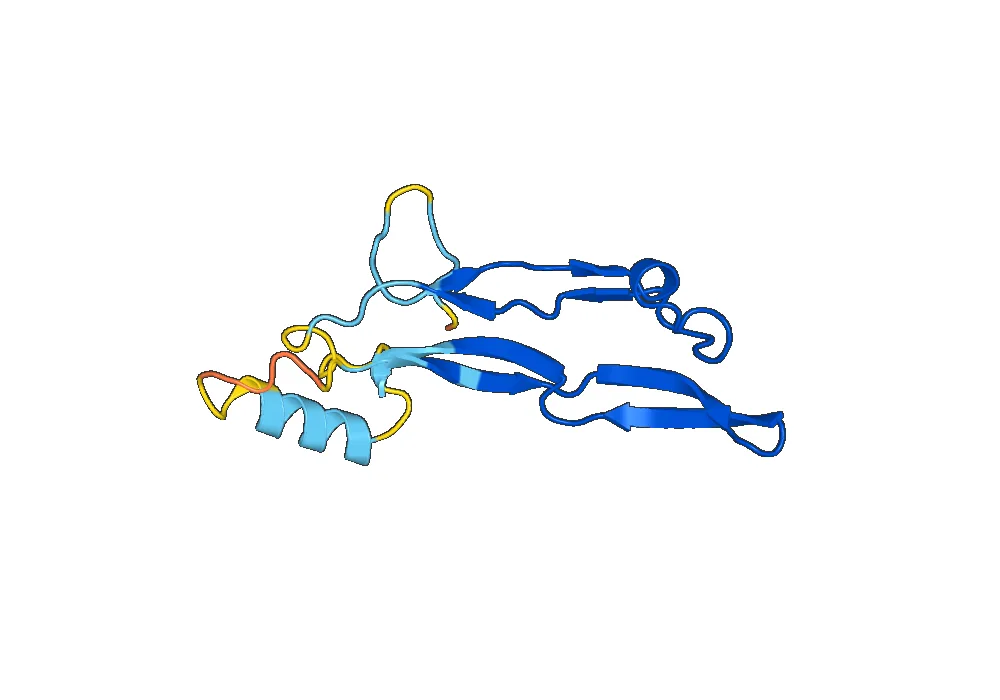
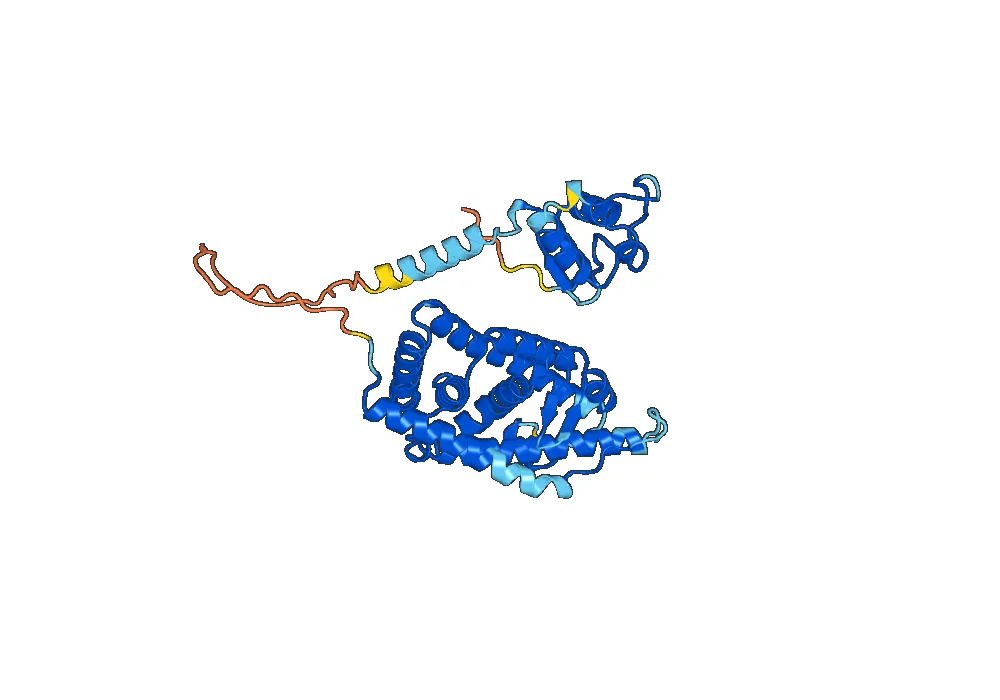
The primary structure of Recombinant Human NGRN Protein consists of 186 amino acids, with a molecular weight of approximately 21 kDa. It contains a signal peptide at the N-terminus, which is responsible for targeting the protein to the cell membrane. The mature form of the protein contains an extracellular domain, a transmembrane domain, and a cytoplasmic domain.
The extracellular domain of Recombinant Human NGRN Protein is rich in cysteine residues, which are important for the formation of disulfide bonds. These bonds contribute to the stability and structure of the protein. The transmembrane domain is responsible for anchoring the protein to the cell membrane, while the cytoplasmic domain is involved in signaling and interactions with other proteins.
Activity of Recombinant Human NGRN Protein
Recombinant Human NGRN Protein is a glycosylated protein, meaning it contains sugar molecules attached to its structure. This glycosylation is important for the proper folding and function of the protein. The main activity of Recombinant Human NGRN Protein is its role in cell adhesion and migration.
Studies have shown that Recombinant Human NGRN Protein is involved in the formation of focal adhesions, which are specialized structures that connect cells to the extracellular matrix. These focal adhesions are important for cell movement and migration, as well as for maintaining the integrity of tissues and organs. Recombinant Human NGRN Protein also plays a role in cell signaling and communication, which is essential for various cellular processes.
Applications of Recombinant Human NGRN Protein
Due to its role in cell adhesion and migration, Recombinant Human NGRN Protein has a wide range of applications in both research and clinical settings. One of the main uses of this protein is in cancer research, as it has been shown to play a role in tumor growth and metastasis. Recombinant Human NGRN Protein has also been studied for its potential as a biomarker for certain types of cancer, as its expression levels have been found to be altered in various cancer types.
In addition, Recombinant Human NGRN Protein has been investigated for its potential as a therapeutic target for cancer treatment. Studies have shown that inhibiting the activity of this protein can reduce tumor growth and metastasis, making it a promising target for anti-cancer therapies.
Recombinant Human NGRN Protein has also been studied for its potential role in wound healing and tissue regeneration. Its involvement in cell adhesion and migration makes it a potential candidate for promoting tissue repair and regeneration in various injuries and diseases.
Conclusion
In summary, Recombinant Human NGRN Protein is a biologically active protein that plays an important role in cell adhesion and migration. Its structure, activity, and applications make it a valuable protein in both research and clinical settings. Further studies on this protein may lead to new insights and potential therapies for various diseases and conditions.


There are no reviews yet.