Introduction to Recombinant Human NEU1/Sialidase-1
Recombinant human NEU1, also known as sialidase-1, is a glycoprotein that belongs to the family of sialidases. It is an enzyme that plays a crucial role in the breakdown of sialic acid-containing molecules, such as glycoproteins and glycolipids, in various biological processes. Recombinant human NEU1 is produced through genetic engineering techniques, making it a highly purified and biologically active protein. In this article, we will discuss the structure, activity, and applications of recombinant human NEU1 in detail.
Structure of Recombinant Human NEU1
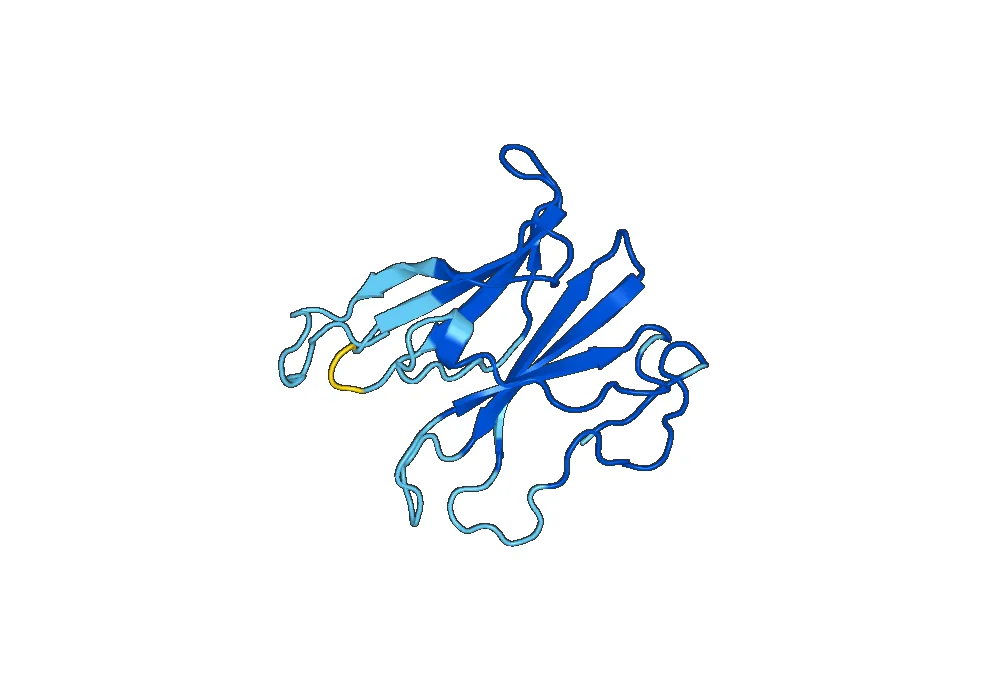
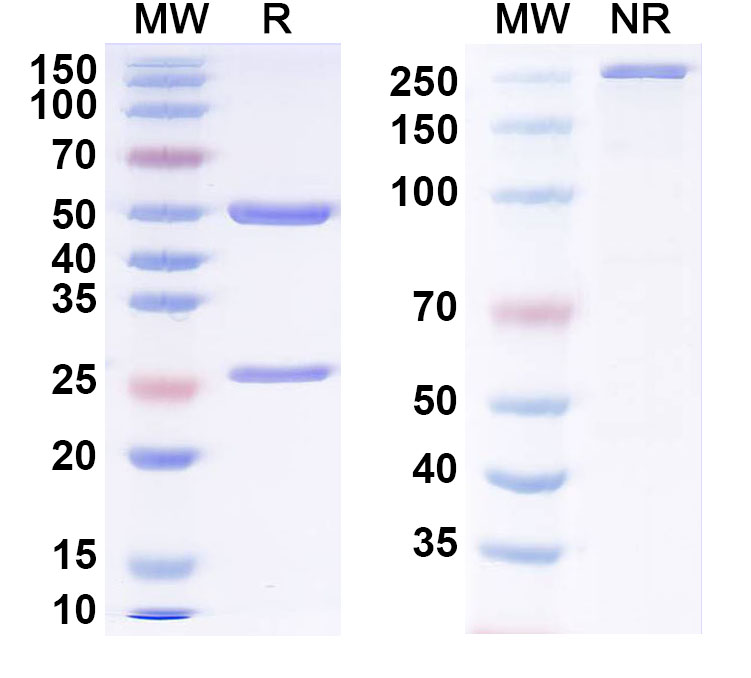
The human NEU1 gene is located on chromosome 6 and consists of 7 exons that encode for a protein of 370 amino acids. The recombinant human NEU1 protein has a molecular weight of approximately 40 kDa and is composed of a single polypeptide chain. It contains a signal peptide, a pro-peptide, and a catalytic domain, which are essential for its function. The catalytic domain of NEU1 is highly conserved among different species, indicating its importance in biological processes.
Recombinant human NEU1 is a glycoprotein, with three potential N-linked glycosylation sites. Glycosylation plays a crucial role in the folding, stability, and activity of NEU1. Studies have shown that mutations in the glycosylation sites can lead to reduced enzyme activity and stability, highlighting the importance of glycosylation in the structure and function of NEU1.
Activity of Recombinant Human NEU1
The main function of NEU1 is to catalyze the hydrolysis of sialic acid residues from glycoproteins and glycolipids, a process known as desialylation. This activity is crucial in various physiological and pathological processes, including cell signaling, immune response, and disease progression. Recombinant human NEU1 has been shown to have a broad substrate specificity, with the ability to cleave different types of sialic acids, such as N-acetylneuraminic acid (Neu5Ac) and N-glycolylneuraminic acid (Neu5Gc).
NEU1 is also involved in the regulation of lysosomal storage diseases, such as sialidosis and galactosialidosis. These diseases are caused by mutations in the NEU1 gene, resulting in reduced enzyme activity and the accumulation of sialic acid-containing molecules in lysosomes. Recombinant human NEU1 has been used as a therapeutic agent in pre-clinical studies to treat these diseases by replacing the deficient enzyme and promoting the breakdown of accumulated substrates.
Applications of Recombinant Human NEU1
Recombinant human NEU1 has a wide range of applications in both research and clinical settings. Its ability to specifically cleave sialic acid residues makes it a valuable tool in studying the role of sialylation in various biological processes. It has been used in studies involving cell signaling, immune response, and virus-host interactions, among others.
NEU1 has also been explored as a potential therapeutic target in various diseases, such as cancer, autoimmune disorders, and infectious diseases. In cancer, NEU1 has been shown to play a role in tumor progression and metastasis by modulating cell adhesion and invasion. Therefore, targeting NEU1 with recombinant human NEU1 inhibitors could potentially inhibit tumor growth and metastasis.
Furthermore, recombinant human NEU1 has been used in the development of diagnostic tests for diseases associated with altered sialylation, such as cancer and lysosomal storage diseases. Its ability to specifically desialylate glycoproteins and glycolipids can be utilized to detect changes in sialylation patterns

There are no reviews yet.