Introduction
Recombinant Human NDEL1 Protein, also known as NudE-like 1, is a highly conserved protein that plays a crucial role in the regulation of microtubule dynamics and neuronal development. This protein is encoded by the NDEL1 gene and has been extensively studied for its structure, activity, and potential applications in various fields of research. In this article, we will delve into the details of Recombinant Human NDEL1 Protein and its significance in the scientific community.
Structure of Recombinant Human NDEL1 Protein
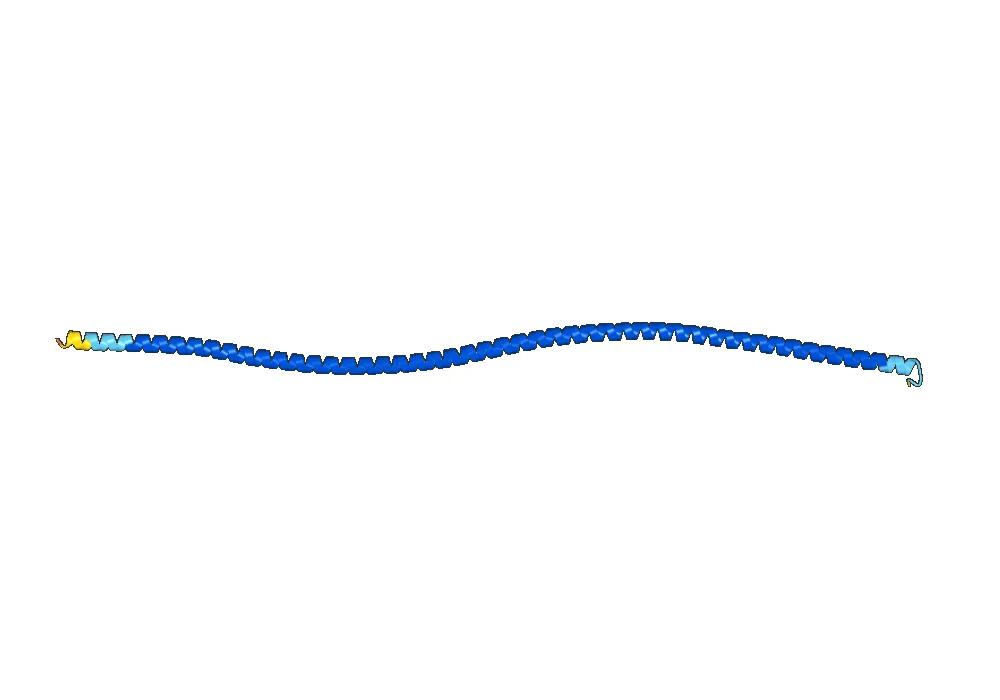
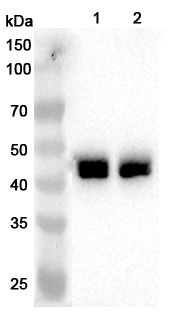
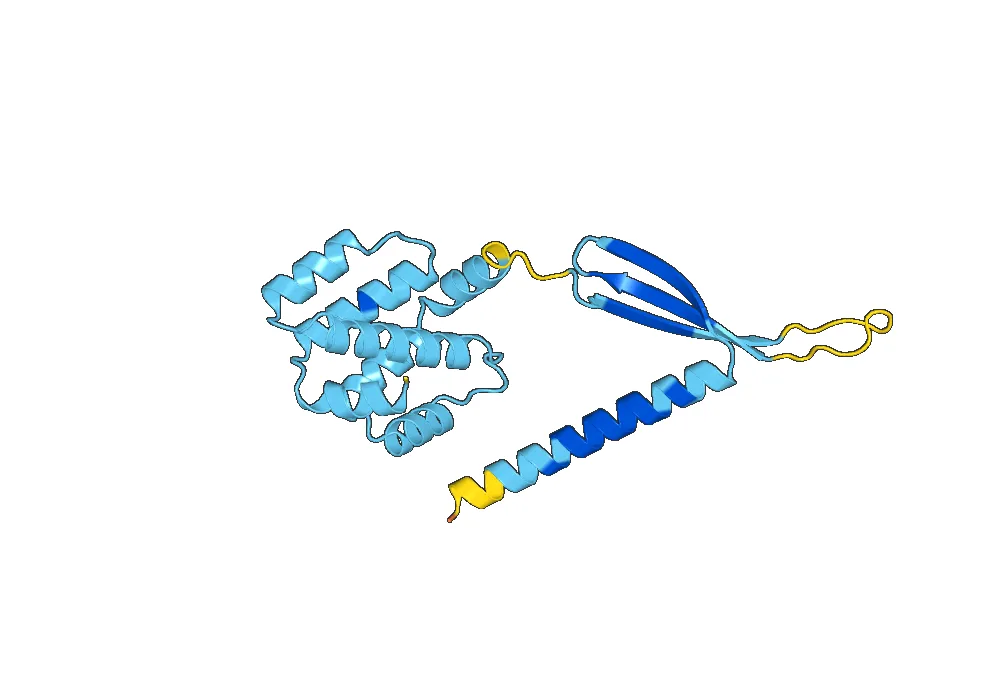
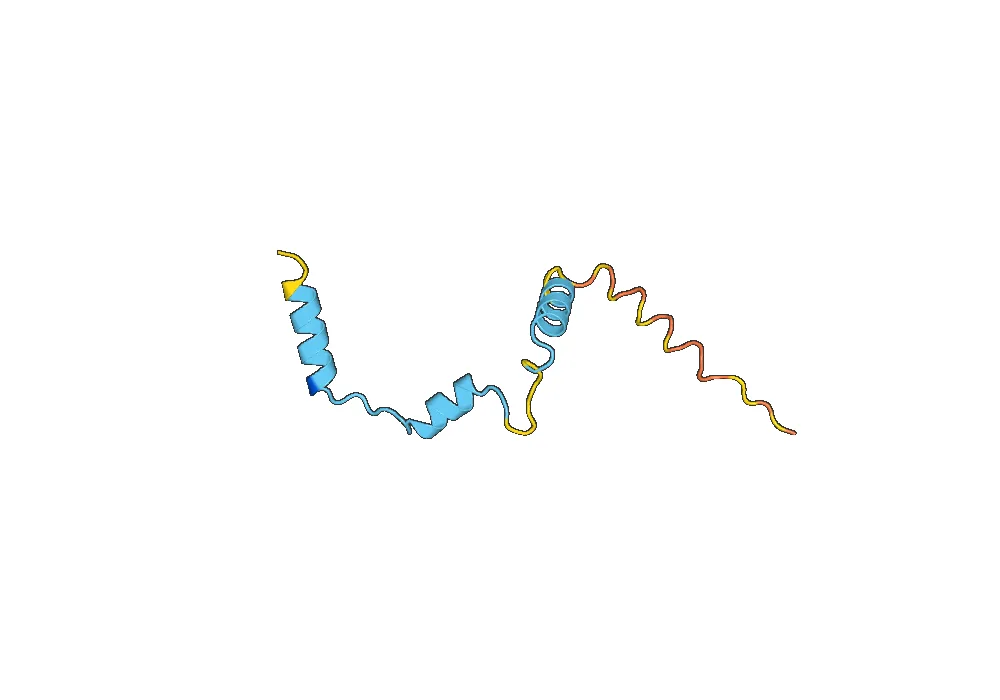
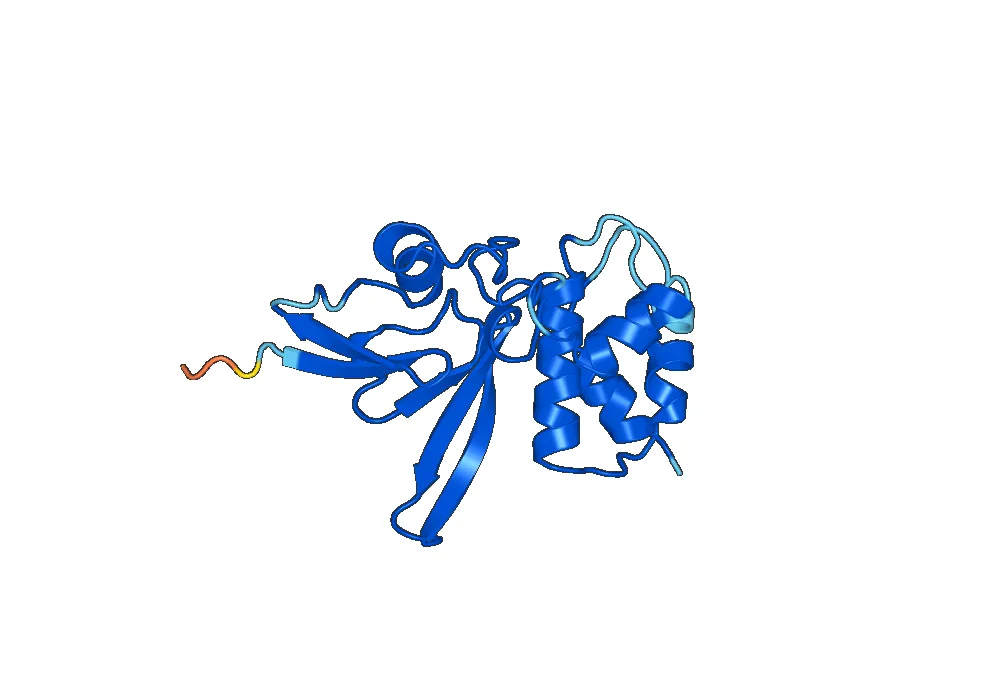
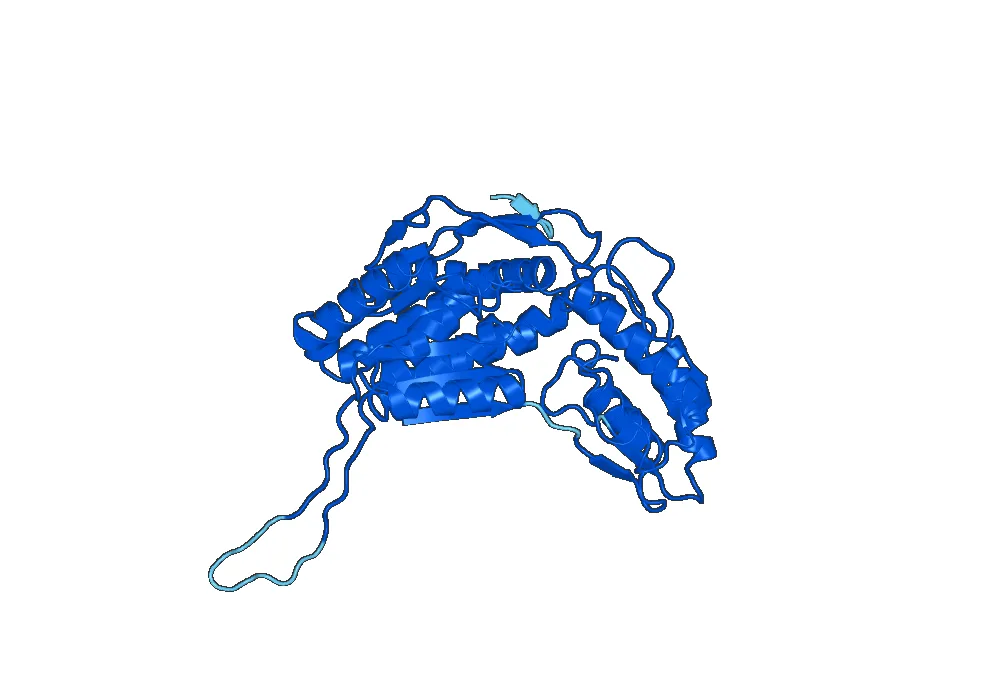
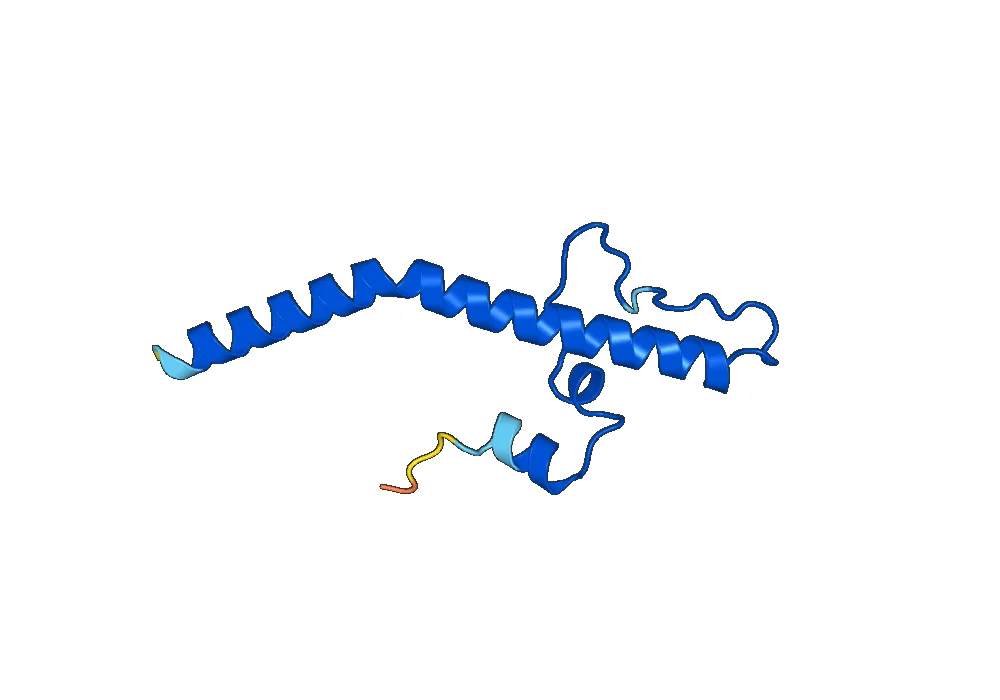
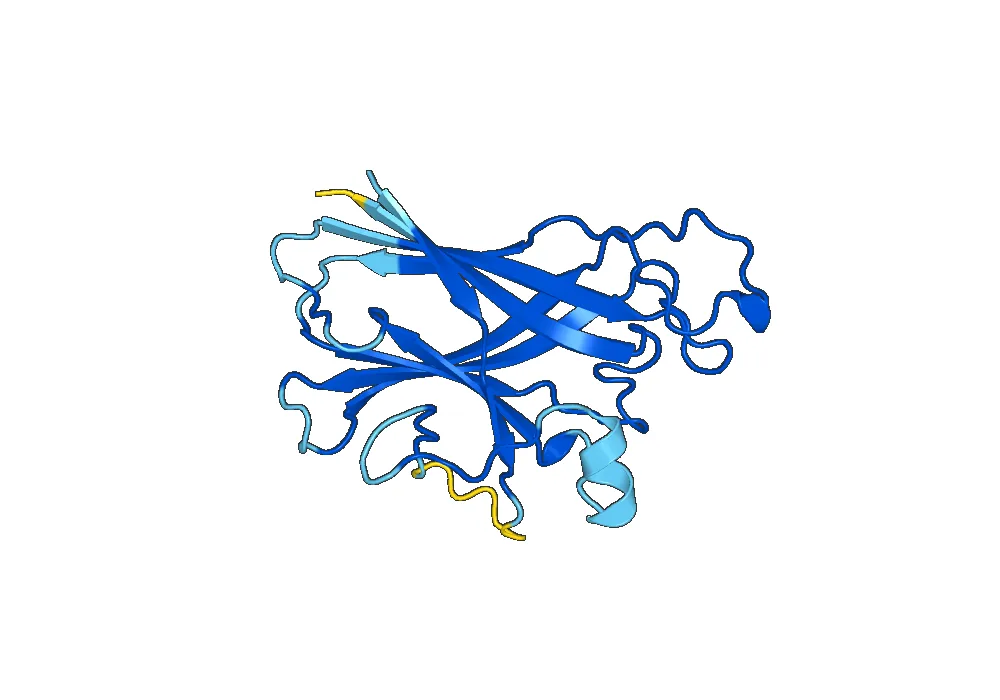
Recombinant Human NDEL1 Protein is a 35 kDa protein that belongs to the NudE family of proteins. It is composed of 346 amino acids and has a highly conserved N-terminal domain that is essential for its function. The protein also contains a coiled-coil domain and a C-terminal domain that interacts with other proteins involved in microtubule regulation. The crystal structure of Recombinant Human NDEL1 Protein has been determined, revealing its unique three-dimensional structure and providing insights into its function.
Activity of Recombinant Human NDEL1 Protein
Recombinant Human NDEL1 Protein is primarily involved in the regulation of microtubule dynamics, which is essential for various cellular processes such as cell division, cell migration, and intracellular transport. It forms a complex with other proteins, such as LIS1 and dynein, to regulate the stability and organization of microtubules. This protein also plays a crucial role in neuronal development by promoting the migration of neurons during brain development.
Studies have also shown that Recombinant Human NDEL1 Protein is involved in the regulation of cell cycle progression and cell survival. It has been found to interact with various signaling pathways, such as the Wnt/β-catenin pathway, to modulate cell proliferation and differentiation. Additionally, Recombinant Human NDEL1 Protein has been shown to play a role in the development and maintenance of cilia, which are important organelles involved in cellular signaling and sensory functions.
Applications of Recombinant Human NDEL1 Protein
Recombinant Human NDEL1 Protein has a wide range of applications in the field of neuroscience, cell biology, and biotechnology. Its role in neuronal development makes it a potential therapeutic target for neurodevelopmental disorders such as lissencephaly and schizophrenia. Additionally, Recombinant Human NDEL1 Protein has been found to be dysregulated in various types of cancer, making it a potential biomarker for cancer diagnosis and a target for cancer therapy.
In the field of biotechnology, Recombinant Human NDEL1 Protein has been used in structural studies to understand its interaction with other proteins involved in microtubule regulation. It has also been used in drug discovery and screening assays to identify potential compounds that can modulate its activity. Furthermore, Recombinant Human NDEL1 Protein has been used in the development of diagnostic tools for various diseases, as well as in the production of monoclonal antibodies for research purposes.
Conclusion
In conclusion, Recombinant Human NDEL1 Protein is a crucial player in the regulation of microtubule dynamics and neuronal development. Its unique structure and diverse functions make it a highly sought-after protein in the scientific community. With its potential applications in various fields, Recombinant Human NDEL1 Protein continues to be a subject of extensive research and holds promise for future therapeutic and diagnostic advancements.
There are no reviews yet.