The Structure of Recombinant Human MYOG Protein
Recombinant Human MYOG Protein is a genetically engineered protein that is produced in the laboratory using recombinant DNA technology. This protein is a member of the myogenic regulatory factors (MRF) family and plays a crucial role in the development and differentiation of skeletal muscle cells.
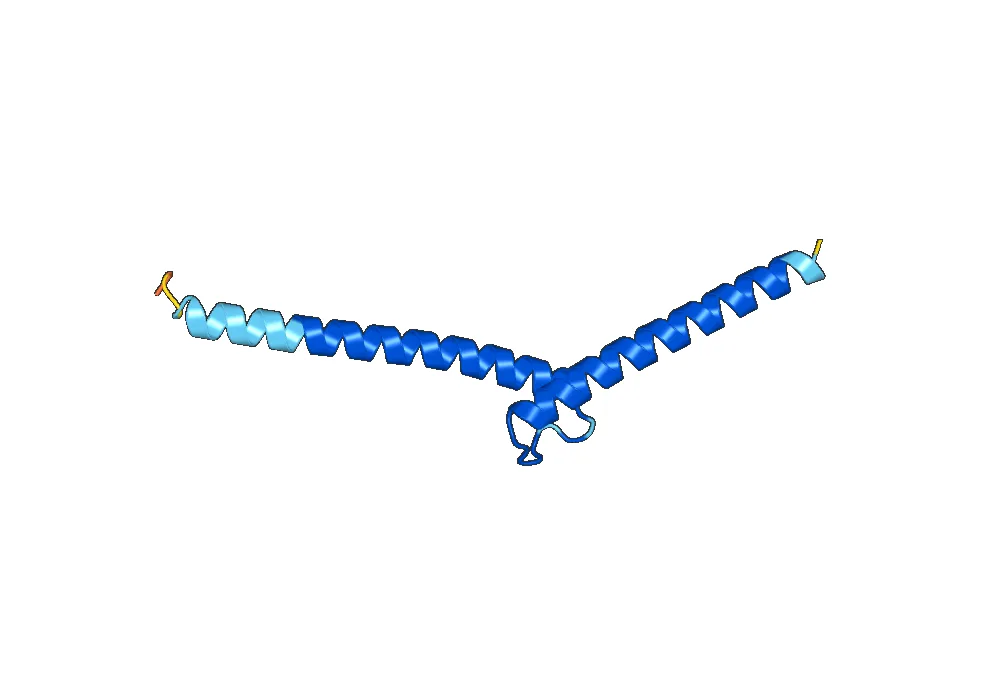
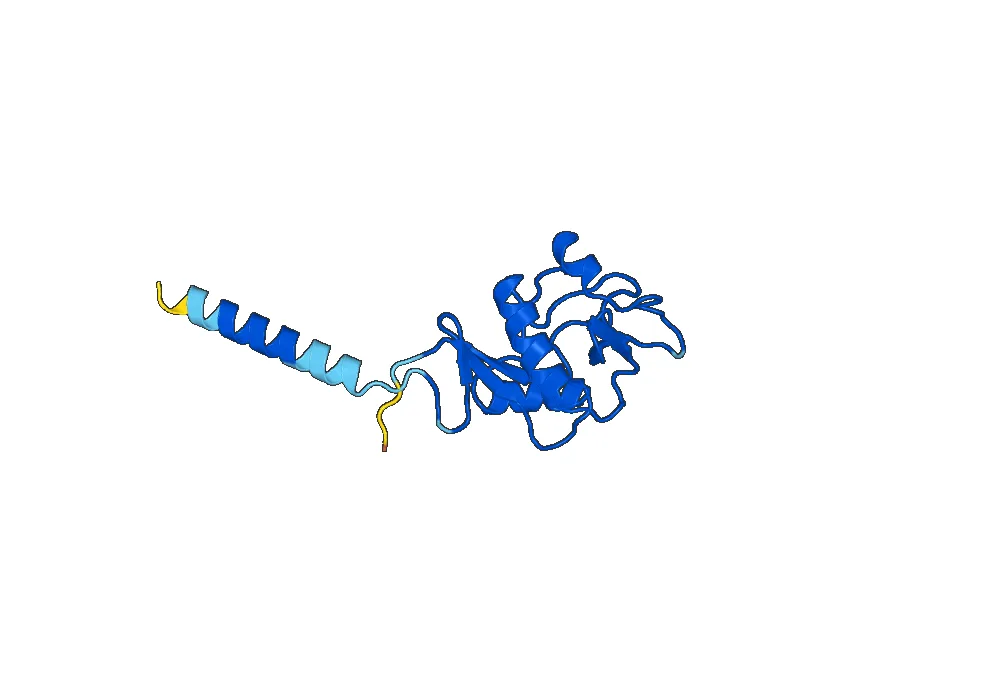
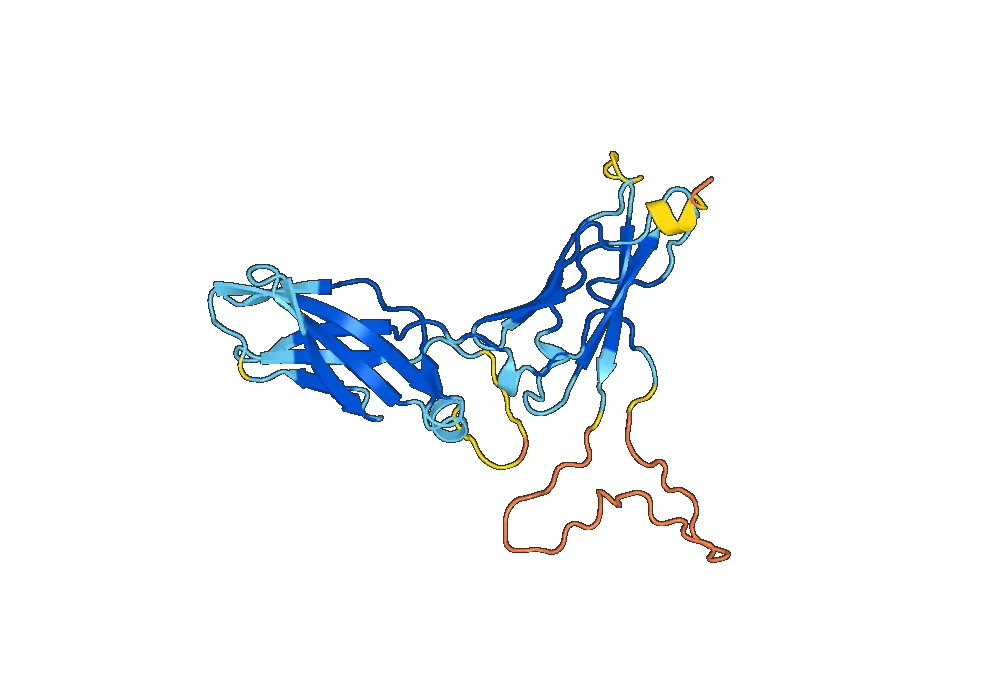
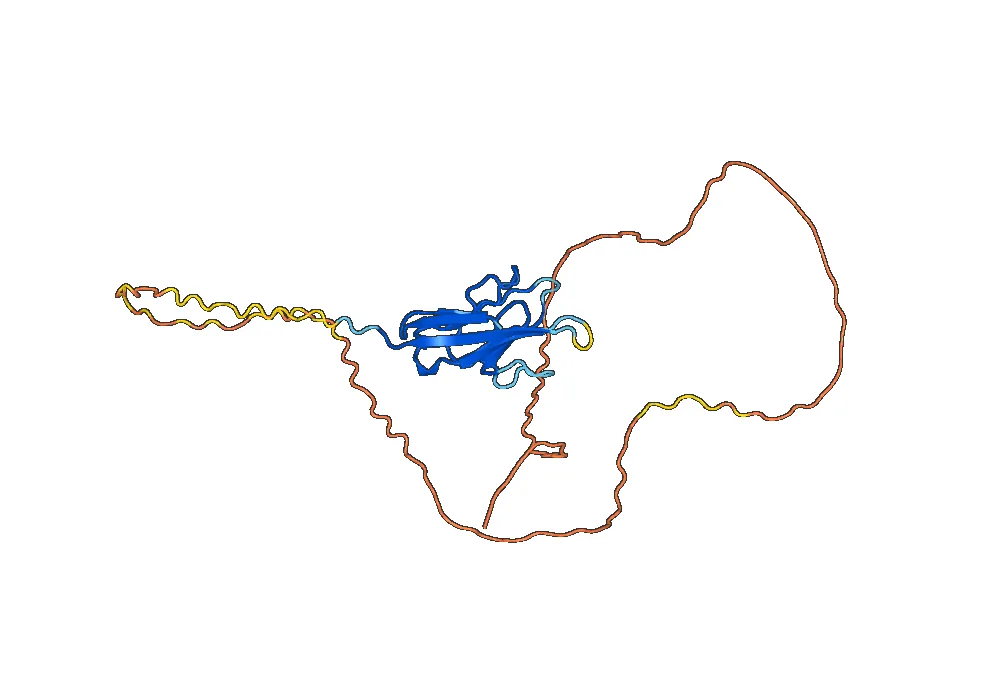
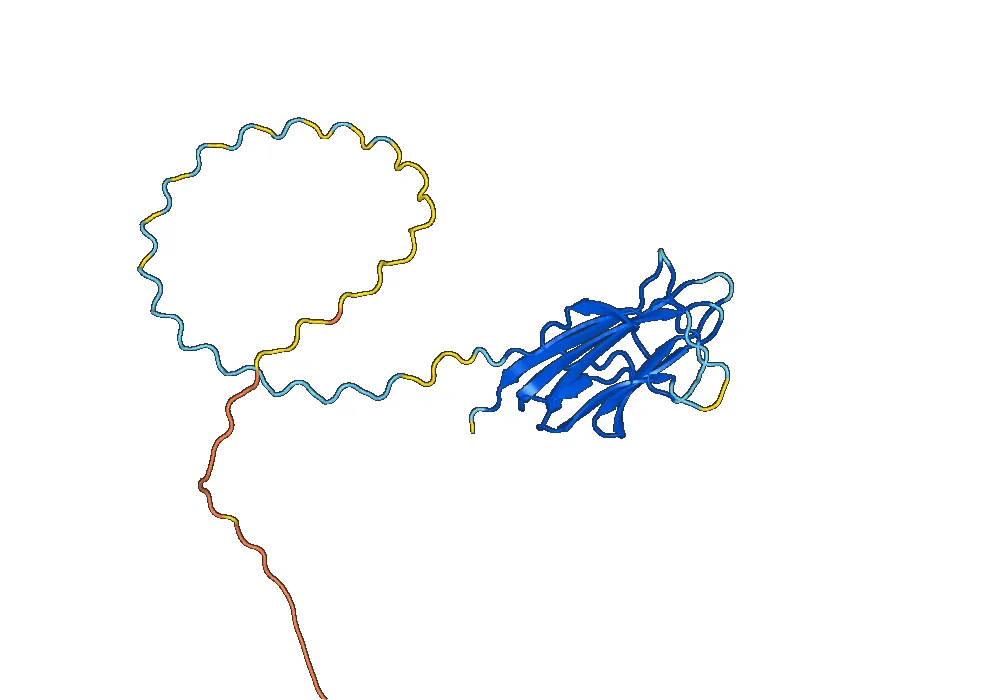
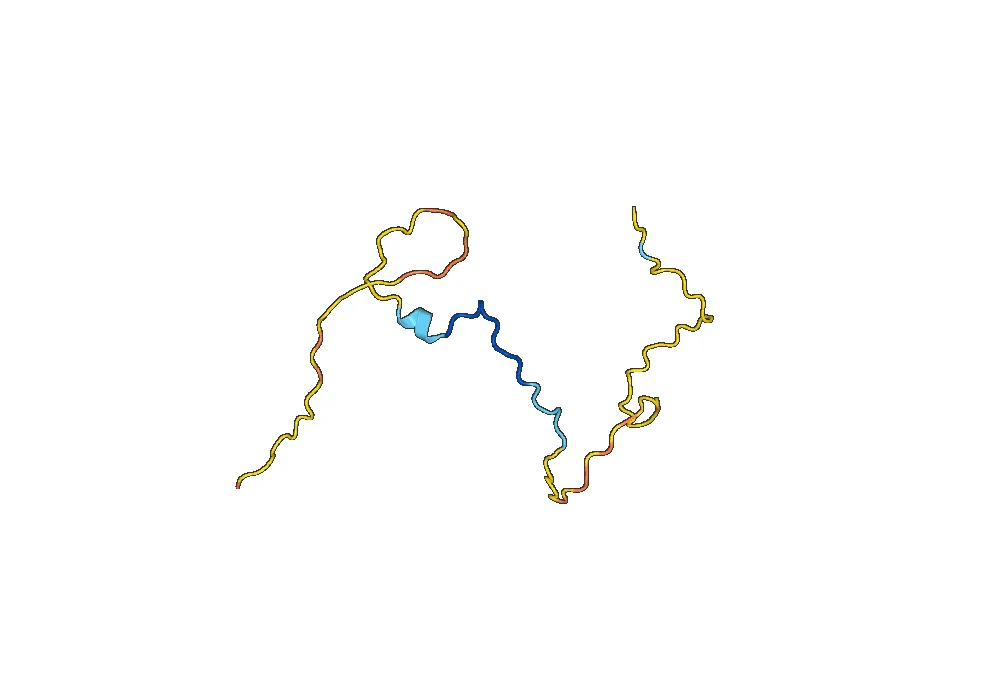
The structure of Recombinant Human MYOG Protein is similar to that of other members of the MRF family, with a basic helix-loop-helix (bHLH) domain at the N-terminus and a helix-loop-helix (HLH) domain at the C-terminus. These domains are responsible for the protein’s ability to bind to specific DNA sequences and regulate gene expression.
In addition to these functional domains, Recombinant Human MYOG Protein also contains a transcriptional activation domain, which allows it to activate the expression of muscle-specific genes. This domain is located between the bHLH and HLH domains and is essential for the protein’s role in muscle development.
The activity of Recombinant Human MYOG Protein is regulated by post-translational modifications, such as phosphorylation and acetylation. These modifications can alter the protein’s stability and ability to interact with other proteins, thereby affecting its function in muscle development.
The Role of Recombinant Human MYOG Protein in Muscle Development
Recombinant Human MYOG Protein is a key regulator of muscle development, as it is involved in the differentiation of myoblasts into mature muscle cells. Myoblasts are precursor cells that give rise to muscle fibers, and MYOG is responsible for activating the expression of genes that are essential for this process.
During muscle development, MYOG is expressed in response to various signaling pathways, such as the Wnt and Notch pathways. These pathways activate the expression of MYOG, which then binds to specific DNA sequences in the promoter regions of muscle-specific genes, leading to their expression.
In addition to its role in muscle development, MYOG also plays a crucial role in muscle regeneration after injury. In response to muscle damage, MYOG is upregulated and promotes the formation of new muscle fibers to repair the damaged tissue.
Applications of Recombinant Human MYOG Protein
Recombinant Human MYOG Protein has a wide range of applications in both research and therapeutic settings. In research, this protein is used to study the mechanisms of muscle development and regeneration, as well as the role of MYOG in various diseases and disorders.
Therapeutically, Recombinant Human MYOG Protein has the potential to be used in the treatment of muscle wasting diseases, such as muscular dystrophy, where MYOG expression is impaired. It can also be used to promote muscle regeneration in individuals with muscle injuries or diseases.
Furthermore, Recombinant Human MYOG Protein has been used in the production of monoclonal antibodies for diagnostic and therapeutic purposes. This is due to its ability to activate the expression of muscle-specific genes, making it an ideal antigen for the production of specific antibodies.
In conclusion
Recombinant Human MYOG Protein is a crucial protein involved in the development and regeneration of skeletal muscle. Its structure, activity, and applications make it a valuable tool for both research and therapeutic purposes. With ongoing advancements in recombinant DNA technology, this protein holds great potential for the treatment of muscle-related diseases and disorders.

There are no reviews yet.