It looks like you are visiting from outside the EU. Switch to the US version to see local pricing in USD and local shipping.

Switch to US ($)

Get 25% off your first bioreagent online order — use code: PROTEOSHOP25

Brand: ProteoGenix

Recombinant Human MSRA, N-His

Host species:
Escherichia coli (E.coli)
Origin species:
Human
Uniprot ID:
Q9UJ68
Molecular weight:
25.55 kDa

Original price was: €319.00.Current price is: €275.00.

100ug 14% OFF + 275 loyalty points
Ala27–Lys235
Size
  • In Stock
  • Free shipping in EU on orders > €500
  • Wide range of unique reagents
  • Fast worldwide delivery

Recombinant Human MSRA, N-His

Product name ARO-P13020-100
Uniprot ID Q9UJ68
Origin species Human
Expression system Prokaryotic expression
Raw Antigen Sequence ASNIVSPQEALPGRKEQTPVAAKHHVNGNRTVEPFPEGTQMAVFGMGCFWGAERKFWVLKGVYSTQVGFAGGYTSNPTYKEVCSEKTGHAEVVRVVYQPEHMSFEELLKVFWENHDPTQGMRQGNDHGTQYRSAIYPTSAKQMEAALSSKENYQKVLSEHGFGPITTDIREGQTFYYAEDYHQQYLSKNPNGYCGLGGTGVSCPVGIKK
Molecular weight 25.55 kDa
Buffer Lyophilized from a solution in PBS pH 7.4, 0.02% NLS, 1mM EDTA, 4% Trehalose, 1% Mannitol.
Delivery condition Dry Ice
Delivery lead time in business days 3-5 days if in stock; 3-5 weeks if production needed
Storage condition 4°C for short term (1 week), -20°C or -80°C for long term (avoid freezing/thawing cycles; addition of 20-40% glycerol improves cryoprotection)
Brand ProteoGenix
Host species Escherichia coli (E.coli)
Fragment Type Ala27-Lys235
Aliases /Synonyms Peptide-methionine (S)-S-oxide reductase, PMSR, Peptide Met(O) reductase, MSRA, Protein-methionine-S-oxide reductase, Mitochondrial peptide methionine sulfoxide reductase
Reference ARO-P13020
Note For research use only.
Molecular Constructor
Ala27–Lys235
Product name ARO-P13020-1MG
Uniprot ID Q9UJ68
Origin species Human
Expression system Prokaryotic expression
Raw Antigen Sequence ASNIVSPQEALPGRKEQTPVAAKHHVNGNRTVEPFPEGTQMAVFGMGCFWGAERKFWVLKGVYSTQVGFAGGYTSNPTYKEVCSEKTGHAEVVRVVYQPEHMSFEELLKVFWENHDPTQGMRQGNDHGTQYRSAIYPTSAKQMEAALSSKENYQKVLSEHGFGPITTDIREGQTFYYAEDYHQQYLSKNPNGYCGLGGTGVSCPVGIKK
Molecular weight 25.55 kDa
Buffer Lyophilized from a solution in PBS pH 7.4, 0.02% NLS, 1mM EDTA, 4% Trehalose, 1% Mannitol.
Delivery condition Dry Ice
Delivery lead time in business days 3-5 days if in stock; 3-5 weeks if production needed
Storage condition 4°C for short term (1 week), -20°C or -80°C for long term (avoid freezing/thawing cycles; addition of 20-40% glycerol improves cryoprotection)
Brand ProteoGenix
Host species Escherichia coli (E.coli)
Fragment Type Ala27-Lys235
Aliases /Synonyms Peptide-methionine (S)-S-oxide reductase, PMSR, Peptide Met(O) reductase, MSRA, Protein-methionine-S-oxide reductase, Mitochondrial peptide methionine sulfoxide reductase
Reference ARO-P13020
Note For research use only.
Molecular Constructor
Ala27–Lys235
Product name ARO-P13020-50
Uniprot ID Q9UJ68
Origin species Human
Expression system Prokaryotic expression
Raw Antigen Sequence ASNIVSPQEALPGRKEQTPVAAKHHVNGNRTVEPFPEGTQMAVFGMGCFWGAERKFWVLKGVYSTQVGFAGGYTSNPTYKEVCSEKTGHAEVVRVVYQPEHMSFEELLKVFWENHDPTQGMRQGNDHGTQYRSAIYPTSAKQMEAALSSKENYQKVLSEHGFGPITTDIREGQTFYYAEDYHQQYLSKNPNGYCGLGGTGVSCPVGIKK
Molecular weight 25.55 kDa
Buffer Lyophilized from a solution in PBS pH 7.4, 0.02% NLS, 1mM EDTA, 4% Trehalose, 1% Mannitol.
Delivery condition Dry Ice
Delivery lead time in business days 3-5 days if in stock; 3-5 weeks if production needed
Storage condition 4°C for short term (1 week), -20°C or -80°C for long term (avoid freezing/thawing cycles; addition of 20-40% glycerol improves cryoprotection)
Brand ProteoGenix
Host species Escherichia coli (E.coli)
Fragment Type Ala27-Lys235
Aliases /Synonyms Peptide-methionine (S)-S-oxide reductase, PMSR, Peptide Met(O) reductase, MSRA, Protein-methionine-S-oxide reductase, Mitochondrial peptide methionine sulfoxide reductase
Reference ARO-P13020
Note For research use only.
Molecular Constructor
Ala27–Lys235

Introduction to Recombinant Human MSRA

Recombinant Human MSRA (methionine sulfoxide reductase A) is a protein that plays a crucial role in maintaining cellular health by repairing oxidative damage to proteins. This protein is derived from a gene found in humans and has been produced in a laboratory setting using recombinant DNA technology. In this article, we will explore the structure, activity, and applications of Recombinant Human MSRA.

Structure of Recombinant Human MSRA

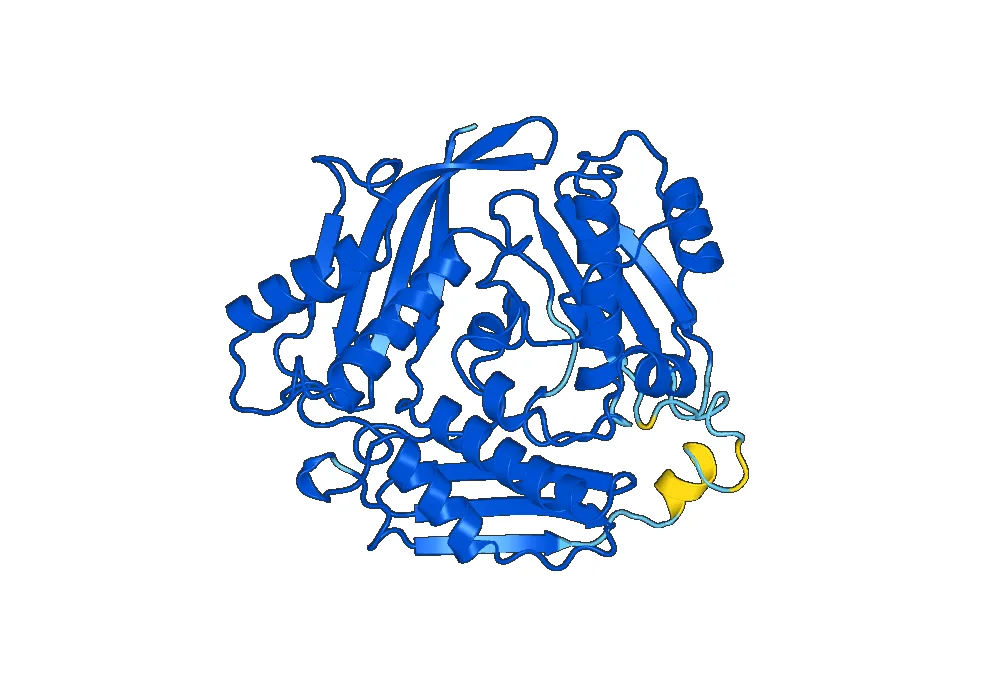
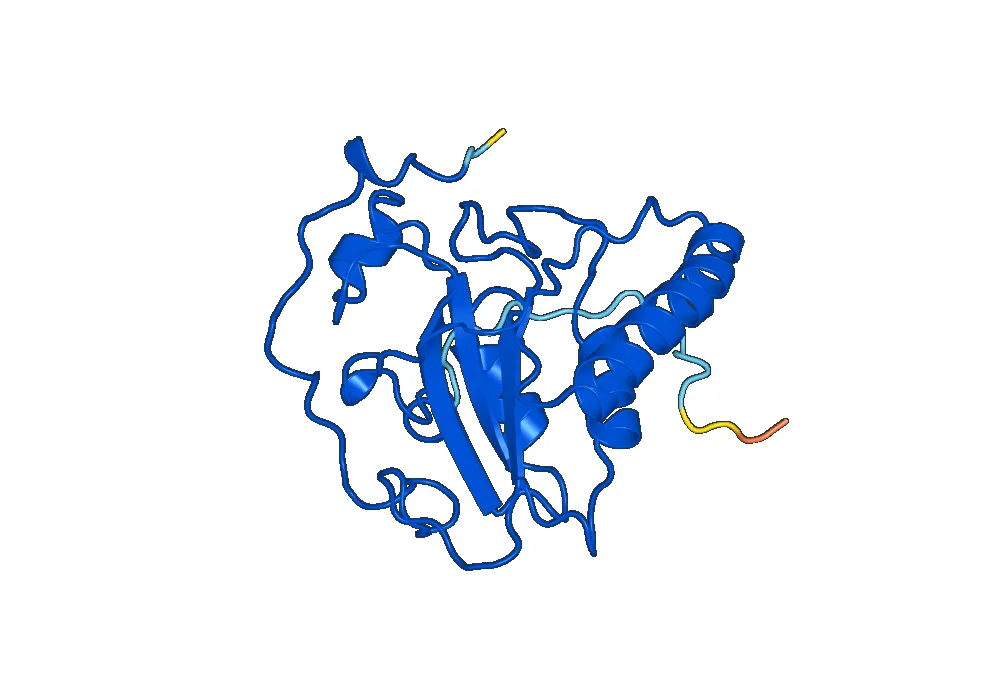
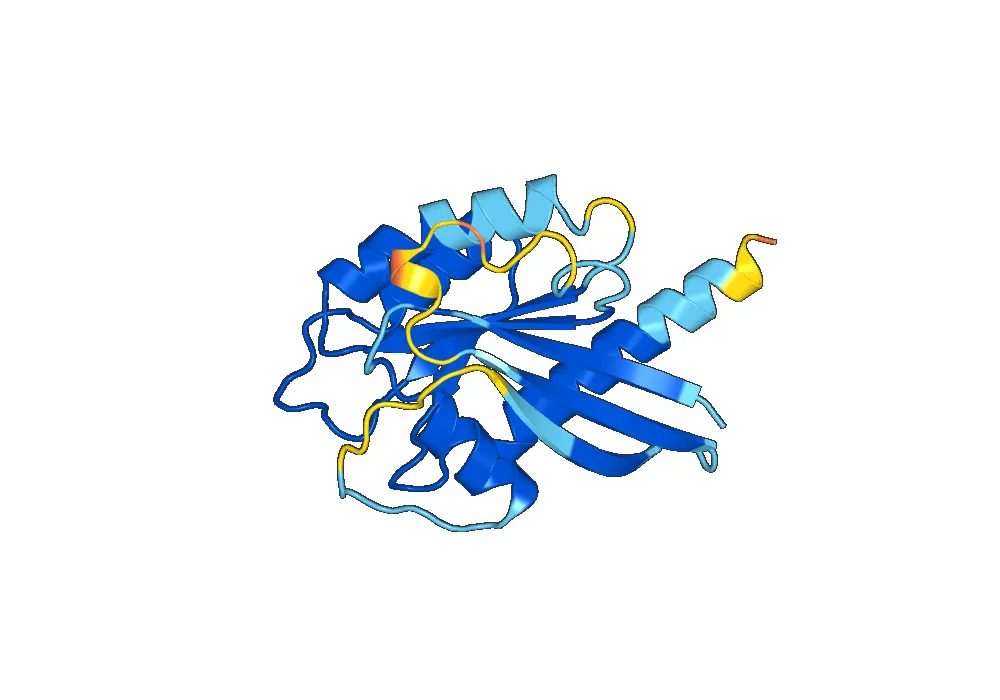
Recombinant Human MSRA is a 20-kDa protein that consists of 187 amino acids. It is made up of two domains – an N-terminal thioredoxin domain and a C-terminal methionine sulfoxide reductase domain. The N-terminal domain is responsible for reducing disulfide bonds, while the C-terminal domain is responsible for reducing oxidized methionine residues. This unique structure allows Recombinant Human MSRA to effectively repair oxidative damage to proteins.

Activity of Recombinant Human MSRA

The main function of Recombinant Human MSRA is to repair oxidized proteins by reducing the sulfoxide form of methionine back to its reduced form. This process is crucial for maintaining the proper function of proteins in the cell. Oxidative damage to proteins can lead to a loss of function, which can have severe consequences for cellular health. Recombinant Human MSRA has been shown to be highly efficient in repairing oxidative damage and restoring protein function.

In addition to its role in protein repair, Recombinant Human MSRA also has antioxidant activity. It can scavenge reactive oxygen species (ROS) and protect cells from oxidative stress. This is important because an imbalance between ROS production and antioxidant defense mechanisms can lead to oxidative damage and various diseases.

Applications of Recombinant Human MSRA

Recombinant Human MSRA has a wide range of applications in both research and therapeutic settings. Its ability to repair oxidative damage to proteins makes it a valuable tool for studying the effects of oxidative stress on cellular function. It has been used in various studies to investigate the role of oxidative stress in diseases such as Alzheimer’s, Parkinson’s, and cardiovascular diseases.

In therapeutic applications, Recombinant Human MSRA has shown promising results in treating diseases associated with oxidative stress. For example, studies have shown that it can protect against oxidative damage and improve cardiac function in animal models of heart failure. It has also been shown to have neuroprotective effects in models of Parkinson’s disease.

Recombinant Human MSRA is also used in the production of vaccines. As an antigen, it has been shown to induce a strong immune response, making it a potential candidate for vaccine development against various diseases.

Conclusion

In conclusion, Recombinant Human MSRA is a crucial protein that plays a vital role in maintaining cellular health. Its unique structure and activity make it an efficient protein repair enzyme and antioxidant. Its applications in research and therapeutics have shown promising results, making it a valuable tool in the fight against diseases associated with oxidative stress. Further studies on Recombinant Human MSRA and its potential therapeutic applications are needed to fully understand its capabilities and potential benefits.
Recombinant Human MSRA, N-His

There are no reviews yet.

Be the first to review “Recombinant Human MSRA, N-His”

Your email address will not be published. Required fields are marked *

Related products

  • MSRA Polyclonal Antibody  binds to Recombinant Human MSRA, N-His in WB Assay
    Original price was: €225.00.Current price is: €169.00.
    View Product

Recently viewed products

Loading recently viewed products…

Can’t find what you need?

Our catalog doesn’t cover everything — but our team does. Whether you need a custom antibody, a specific protein variant, or a bulk order, our scientists are here to help.

Contact Our Team Book a Call

Cart (0 Items)

Your cart is currently empty.

View Products