Introduction
Recombinant human STX4 protein, also known as syntaxin 4, is a key component of the SNARE complex that plays a crucial role in intracellular membrane fusion. This protein is encoded by the STX4 gene and is expressed in various tissues, including the brain, heart, and skeletal muscle. Recombinant human STX4 protein has been extensively studied and has been found to have important structural and functional characteristics that make it a valuable tool in both basic research and therapeutic applications.
Structure of Recombinant Human STX4 Protein
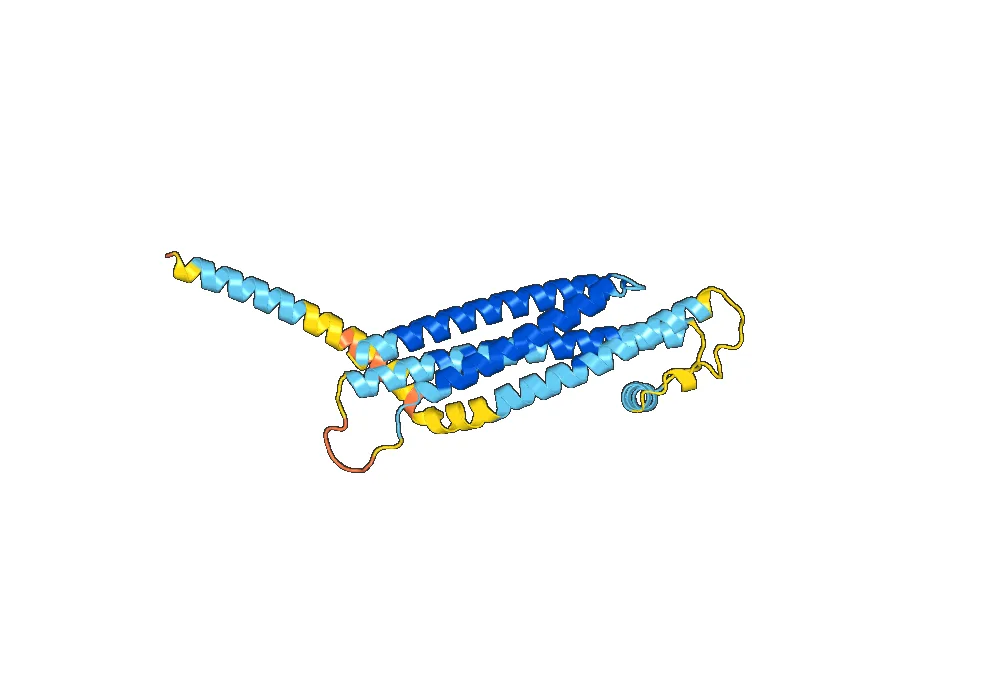
Recombinant human STX4 protein is a 33 kDa protein that consists of 297 amino acids. It belongs to the syntaxin family of proteins, which are characterized by a conserved SNARE motif (Qa-SNARE) that is responsible for protein-protein interactions. The protein is composed of three domains: an N-terminal SNARE motif, a central coiled-coil domain, and a C-terminal transmembrane domain. The SNARE motif is responsible for binding to other SNARE proteins, while the coiled-coil domain is involved in the formation of the SNARE complex. The transmembrane domain anchors the protein to the cell membrane.
Activity of Recombinant Human STX4 Protein
Recombinant human STX4 protein plays a critical role in intracellular membrane fusion, which is essential for various cellular processes such as vesicle trafficking, exocytosis, and neurotransmitter release. It functions by forming a SNARE complex with other SNARE proteins, including SNAP-23 and VAMP2, which brings the vesicle membrane in close proximity to the target membrane, leading to fusion. This process is regulated by various factors, including calcium ions, which trigger the conformational changes required for fusion to occur.
In addition to its role in membrane fusion, recombinant human STX4 protein has been found to play a role in glucose transport and insulin secretion in pancreatic beta cells. It has also been implicated in the regulation of cell migration and invasion, as well as in the formation of tight junctions between cells.
Application of Recombinant Human STX4 Protein
Recombinant human STX4 protein has a wide range of applications in both research and therapeutic settings. In basic research, it is used as a tool to study the mechanisms of intracellular membrane fusion and its role in various cellular processes. It is also used to investigate the function of other SNARE proteins and their interactions with STX4.
In the field of therapeutics, recombinant human STX4 protein has shown potential as a target for the treatment of various diseases. For example, in diabetes, targeting STX4 has been proposed as a way to regulate insulin secretion and improve glucose homeostasis. In addition, STX4 has been implicated in cancer progression, making it a potential target for cancer therapy.
Furthermore, recombinant human STX4 protein has been used in the development of diagnostic tools for various diseases, including neurological disorders. For instance, STX4 has been found to be involved in neurotransmitter release, making it a potential biomarker for neurological diseases such as Alzheimer’s and Parkinson’s.
Conclusion
Recombinant human STX4 protein is a crucial component of the SNARE complex that plays a vital role in intracellular membrane fusion. Its unique structural and functional characteristics make it a valuable tool in both basic research and therapeutic applications. With ongoing research, the potential of recombinant human STX4 protein in the diagnosis and treatment of various diseases continues to expand, making it an exciting area of study in the field of molecular biology.

There are no reviews yet.