Introduction
The Recombinant Human MMP14 Protein, also known as Matrix Metalloproteinase 14, is a type I transmembrane protein that belongs to the matrix metalloproteinase (MMP) family. This protein is encoded by the MMP14 gene and is involved in various physiological and pathological processes such as tissue remodeling, wound healing, and cancer progression.
Structure of Recombinant Human MMP14 Protein
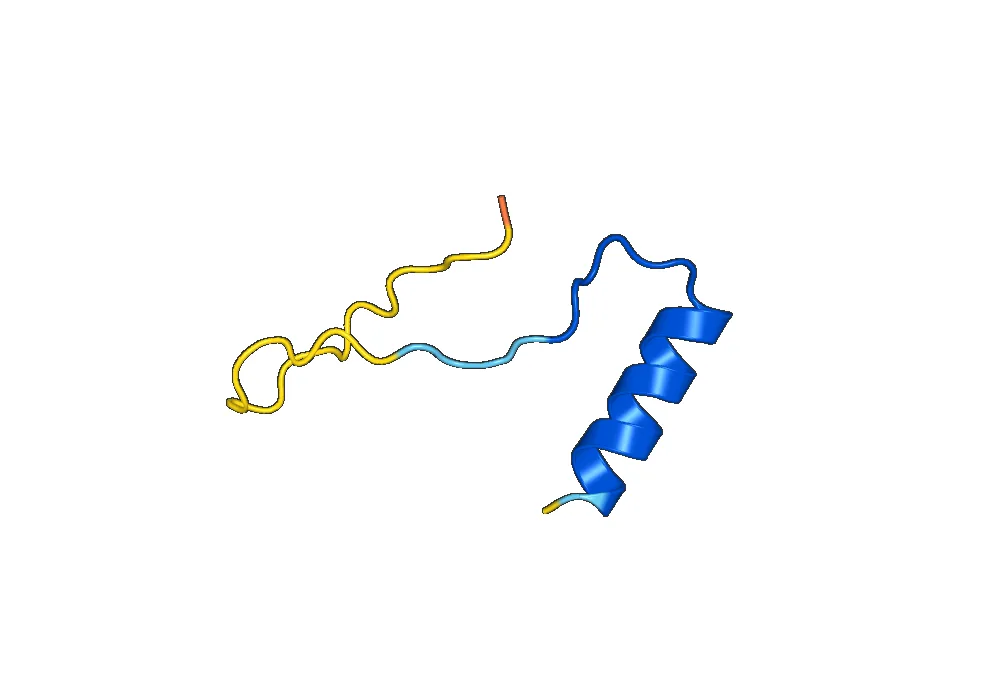
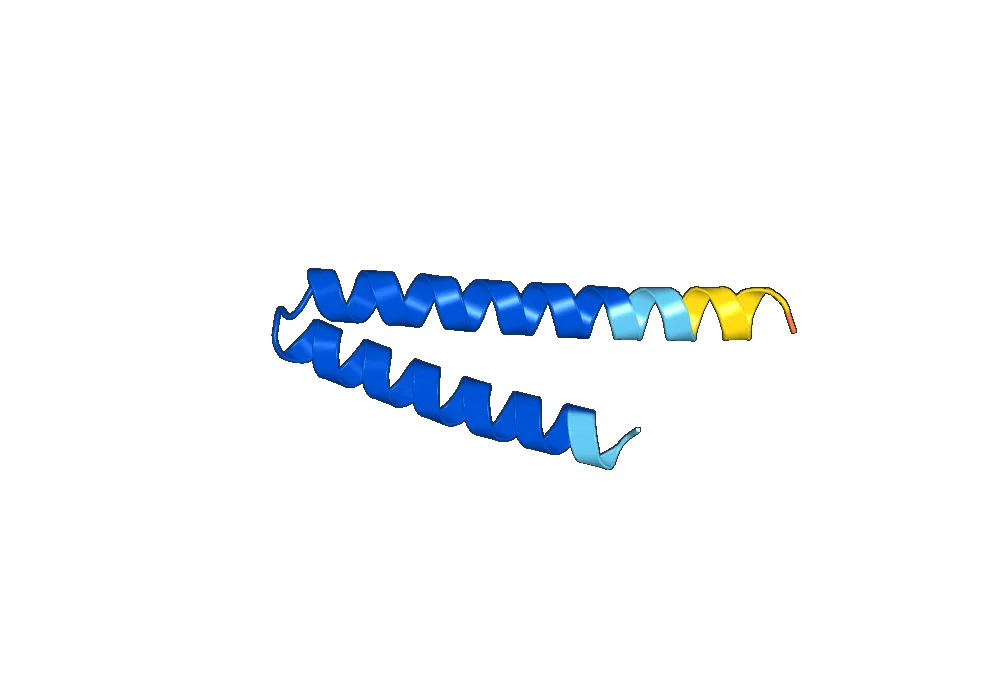
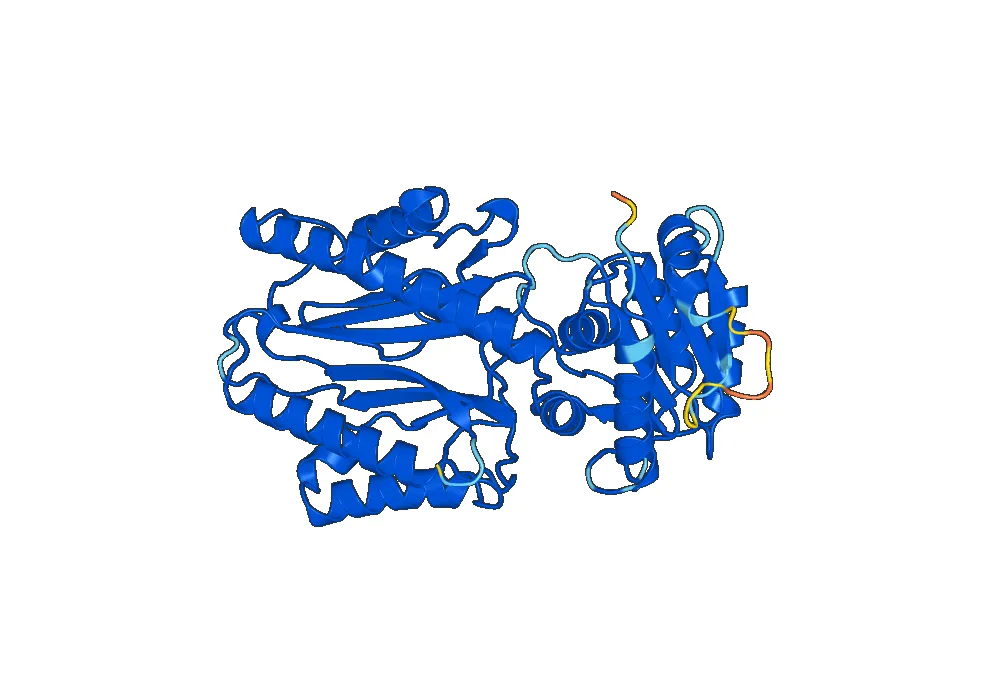
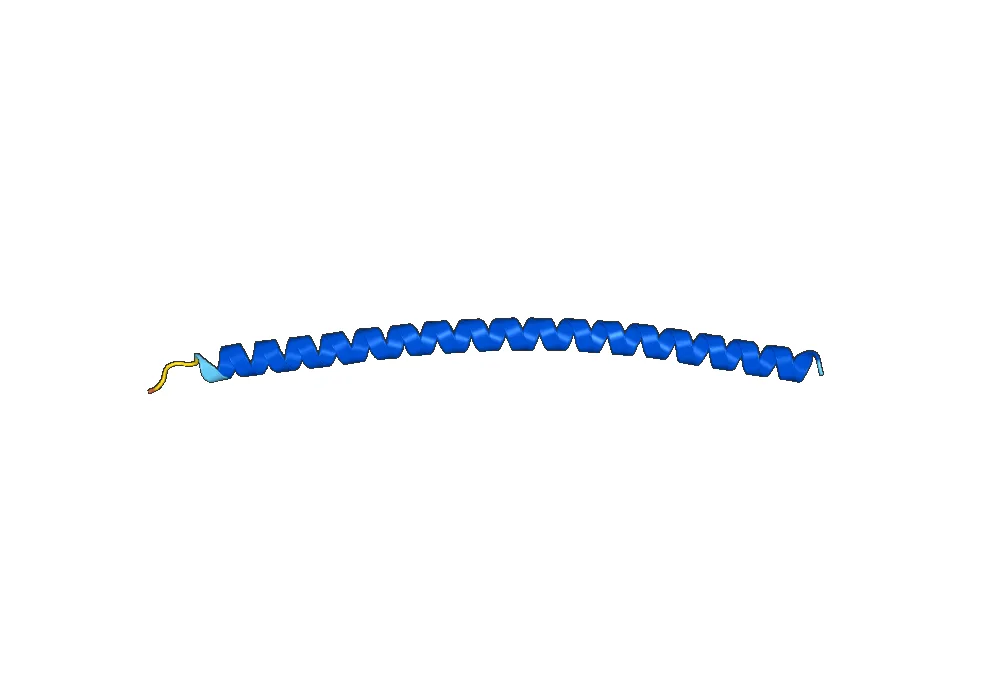
The Recombinant Human MMP14 Protein is composed of 582 amino acids and has a molecular weight of approximately 66 kDa. It contains a signal peptide, a propeptide, a catalytic domain, a transmembrane domain, and a cytoplasmic tail. The catalytic domain is responsible for the enzymatic activity of MMP14 and contains a zinc-binding motif, which is essential for its proteolytic function.
Activity of Recombinant Human MMP14 Protein
The main function of Recombinant Human MMP14 Protein is to degrade extracellular matrix (ECM) components, such as collagen, laminin, and fibronectin. This process is crucial for tissue remodeling and is tightly regulated in healthy tissues. However, dysregulation of MMP14 activity has been linked to various diseases, including cancer, arthritis, and cardiovascular diseases.
MMP14 is a membrane-bound protein, and its activity is regulated by its localization and activation. The propeptide of MMP14 prevents its catalytic domain from interacting with substrates, thus keeping its activity in check. Upon activation, the propeptide is cleaved, and the active form of MMP14 is released from the cell surface. This allows MMP14 to interact with its substrates and initiate the degradation of ECM components.
Application of Recombinant Human MMP14 Protein
The recombinant form of MMP14 has been widely used in various research studies to investigate its role in different physiological and pathological processes. It has also been utilized in drug discovery and development, as MMP14 has been identified as a potential therapeutic target for various diseases.
One of the main applications of recombinant MMP14 is in cancer research. Overexpression of MMP14 has been observed in various types of cancer, and it has been associated with tumor invasion, metastasis, and angiogenesis. Recombinant MMP14 has been used to study the mechanisms of cancer progression and to develop novel anti-cancer therapies targeting MMP14.
In addition to cancer, recombinant MMP14 has also been studied in other diseases, such as arthritis and cardiovascular diseases. In arthritis, MMP14 has been shown to play a role in the degradation of cartilage and bone, leading to joint damage. In cardiovascular diseases, MMP14 has been implicated in the development of atherosclerosis and plaque rupture, which can lead to heart attack and stroke. By using recombinant MMP14, researchers can better understand the role of this protein in these diseases and potentially develop new treatments.
Conclusion
The Recombinant Human MMP14 Protein is a crucial enzyme involved in tissue remodeling and disease progression. Its structure, activity, and application have been extensively studied, and it has been identified as a potential therapeutic target for various diseases. The use of recombinant MMP14 in research has provided valuable insights into its role in different physiological and pathological processes and has the potential to lead to the development of novel treatments for diseases associated with dysregulation of MMP14 activity.



There are no reviews yet.