Introduction to Recombinant Human MICOS13 Protein
Recombinant Human MICOS13 Protein, also known as Mitochondrial Contact Site and Cristae Organizing System Subunit 13, is a protein that plays a crucial role in maintaining the structure and function of mitochondria. It is a highly conserved protein found in various species, including humans, and is encoded by the MICOS13 gene.
Structure of Recombinant Human MICOS13 Protein
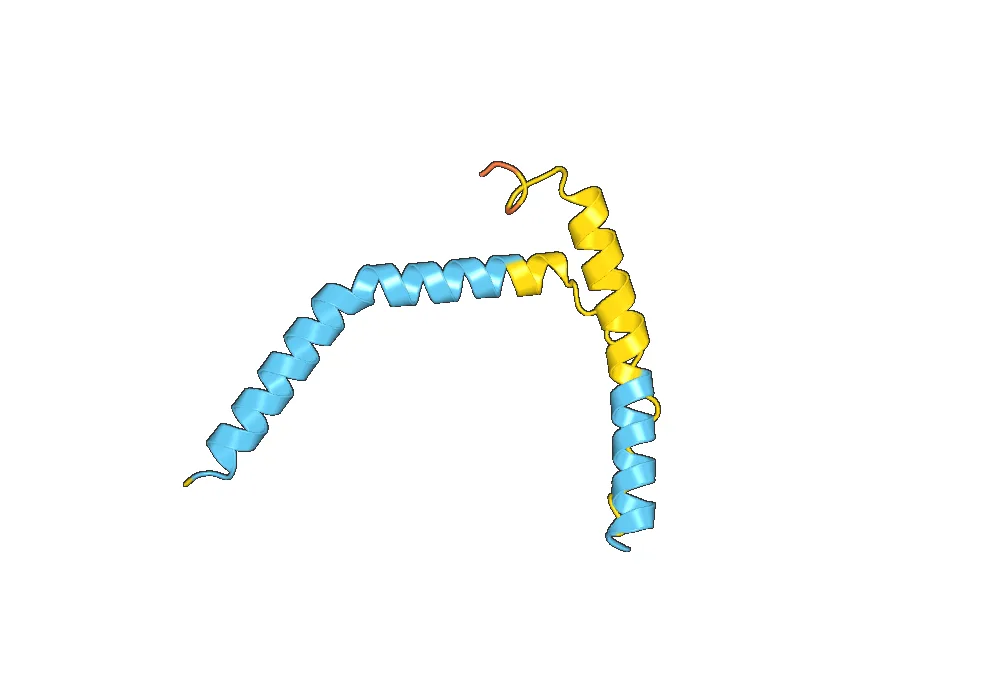
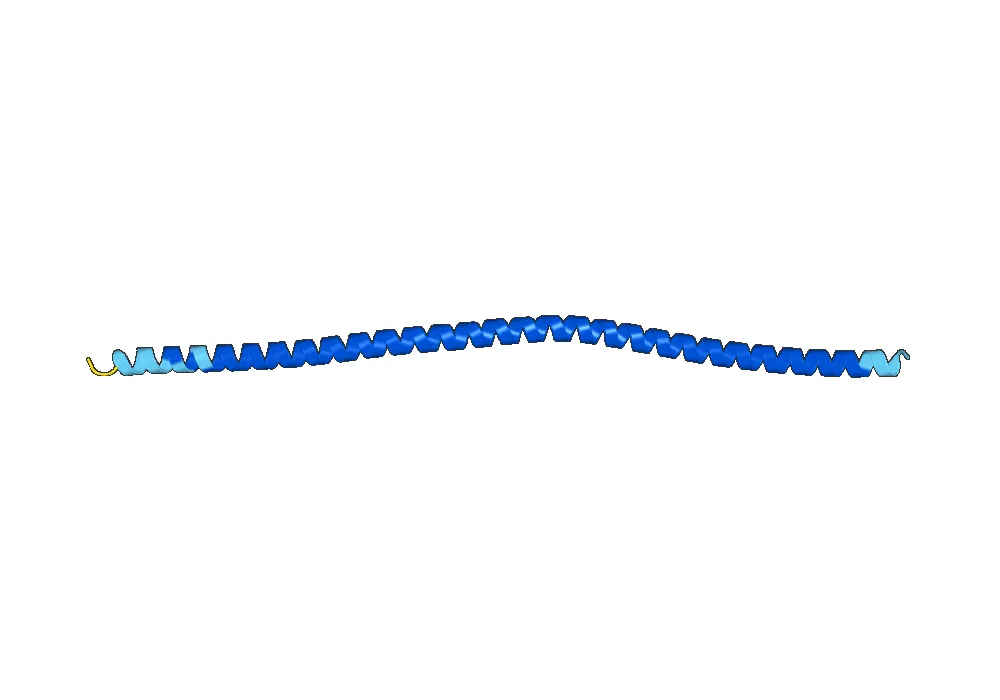
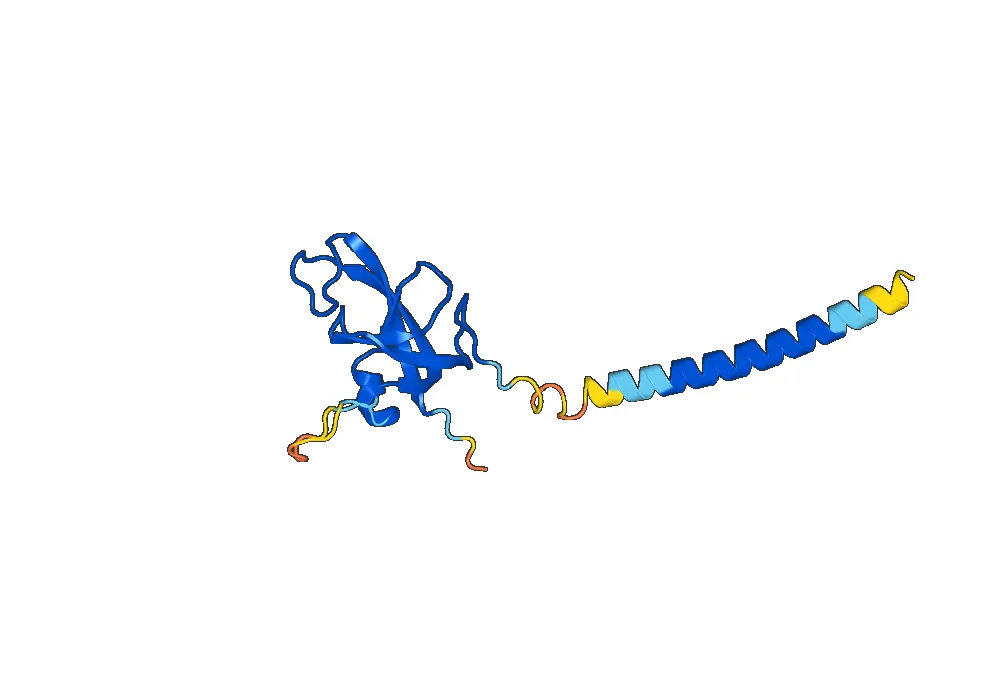
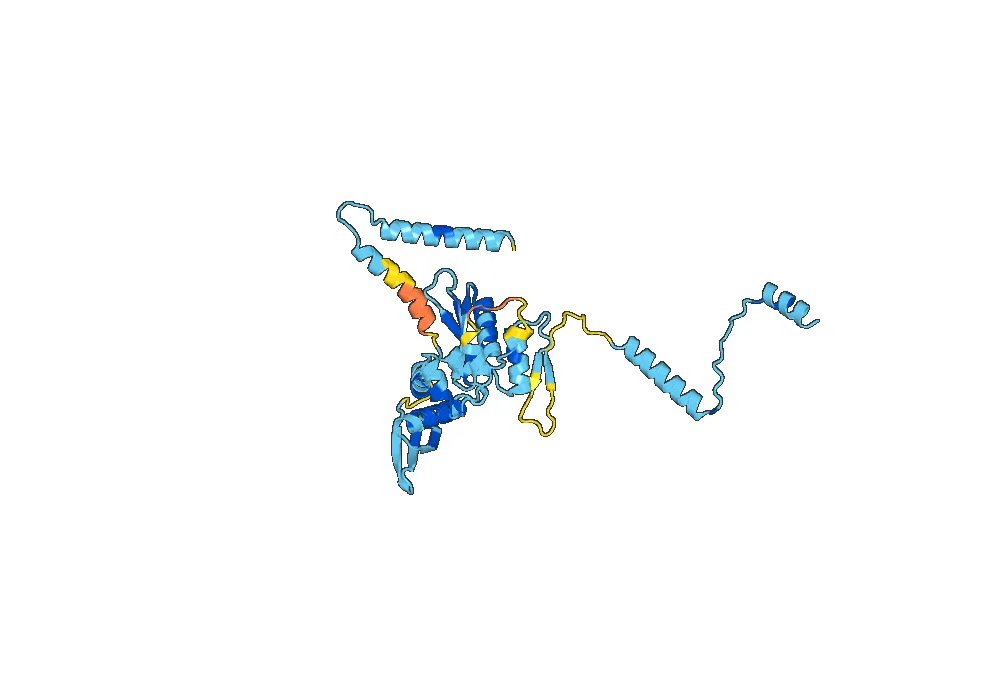
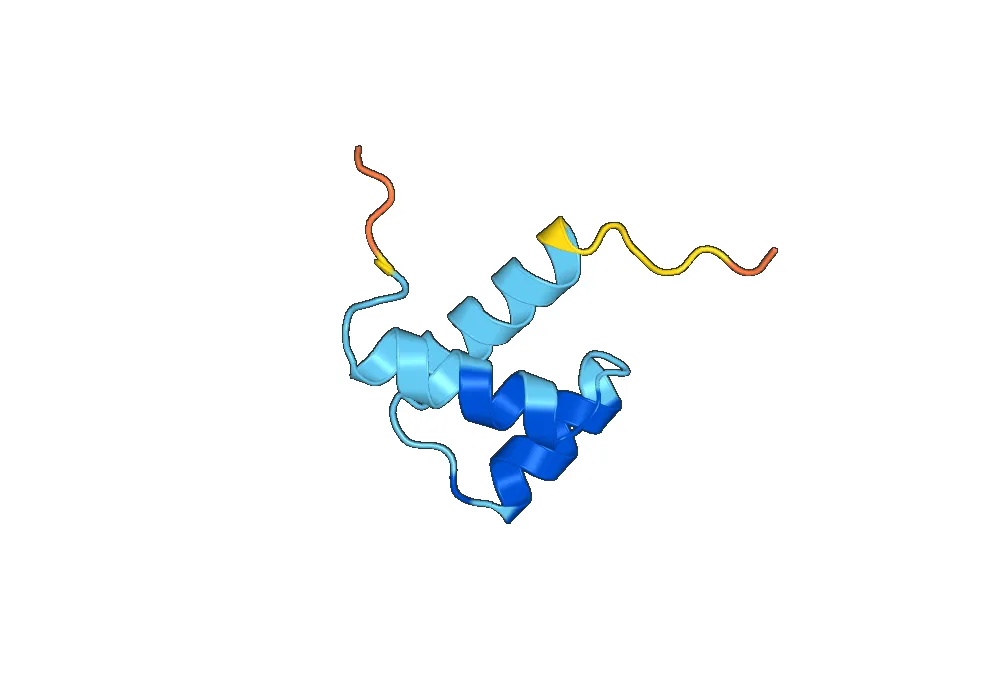
The recombinant form of MICOS13 is a 16 kDa protein with a molecular weight of 144 amino acids. It consists of two transmembrane domains, a coiled-coil domain, and a C-terminal domain. The N-terminal domain is responsible for anchoring the protein to the inner mitochondrial membrane, while the C-terminal domain interacts with other MICOS subunits to form the mitochondrial contact site and cristae organizing system (MICOS) complex.
The MICOS complex is a multi-protein complex that is essential for maintaining the structure and function of mitochondria. It is responsible for organizing the inner mitochondrial membrane into cristae, which are necessary for efficient oxidative phosphorylation. The MICOS13 protein is a crucial component of this complex and is involved in stabilizing the structure of cristae and promoting the formation of contact sites between the inner and outer mitochondrial membranes.
Activity of Recombinant Human MICOS13 Protein
The primary function of MICOS13 is to maintain the structural integrity of mitochondria. It achieves this by forming contact sites between the inner and outer mitochondrial membranes, which allow for efficient communication and transport of molecules between these two compartments. The protein also plays a role in organizing the inner mitochondrial membrane into cristae, which are essential for the proper functioning of the electron transport chain and ATP production.
Studies have shown that MICOS13 is involved in regulating the size and shape of cristae, as well as their distribution within the mitochondrial matrix. It achieves this by interacting with other MICOS subunits and forming a scaffold-like structure that supports the cristae. Additionally, MICOS13 has been found to play a role in maintaining the balance of lipids in the inner mitochondrial membrane, which is crucial for maintaining membrane integrity and function.
Applications of Recombinant Human MICOS13 Protein
The unique structure and activity of MICOS13 make it an essential protein in various cellular processes, making it a promising target for research and potential therapeutic applications. Some of the potential applications of recombinant human MICOS13 protein are:
1. Study of Mitochondrial Dysfunction
Mitochondrial dysfunction has been linked to various diseases, including neurodegenerative disorders, metabolic disorders, and cancer. As MICOS13 plays a crucial role in maintaining mitochondrial structure and function, studying its activity and interactions can provide insights into the mechanisms of mitochondrial dysfunction and potential therapeutic targets.
2. Development of Therapies for Mitochondrial Diseases
Defects in the MICOS complex have been associated with various mitochondrial diseases, including Charcot-Marie-Tooth disease and Leigh syndrome. Recombinant human MICOS13 protein can be used to study these diseases and potentially develop therapeutic strategies to target the underlying molecular mechanisms.
3. Production of Antibodies
Recombinant human MICOS13 protein can be used as an antigen to produce antibodies that can be used for various applications, such as immunohistochemistry and western blotting. These antibodies can help in the detection and quantification of MICOS13 in different tissues and cell types, aiding in further research on its function and activity.
4. Potential Therapeutic Target for Cancer
Recent studies have shown that the MICOS complex plays a role in the regulation of cell proliferation and survival, making it a potential target for cancer therapy. As MICOS13 is a crucial component of this complex,

There are no reviews yet.