Introduction
Recombinant Human MIB1, also known as Mindbomb E3 ubiquitin protein ligase 1, is a protein that plays a crucial role in the Notch signaling pathway. It is a 109 kDa protein encoded by the MIB1 gene located on chromosome 18 in humans. This protein is involved in regulating cell fate determination, proliferation, and differentiation, making it a key player in various biological processes. In this article, we will discuss the structure, activity, and applications of Recombinant Human MIB1.
Structure of Recombinant Human MIB1
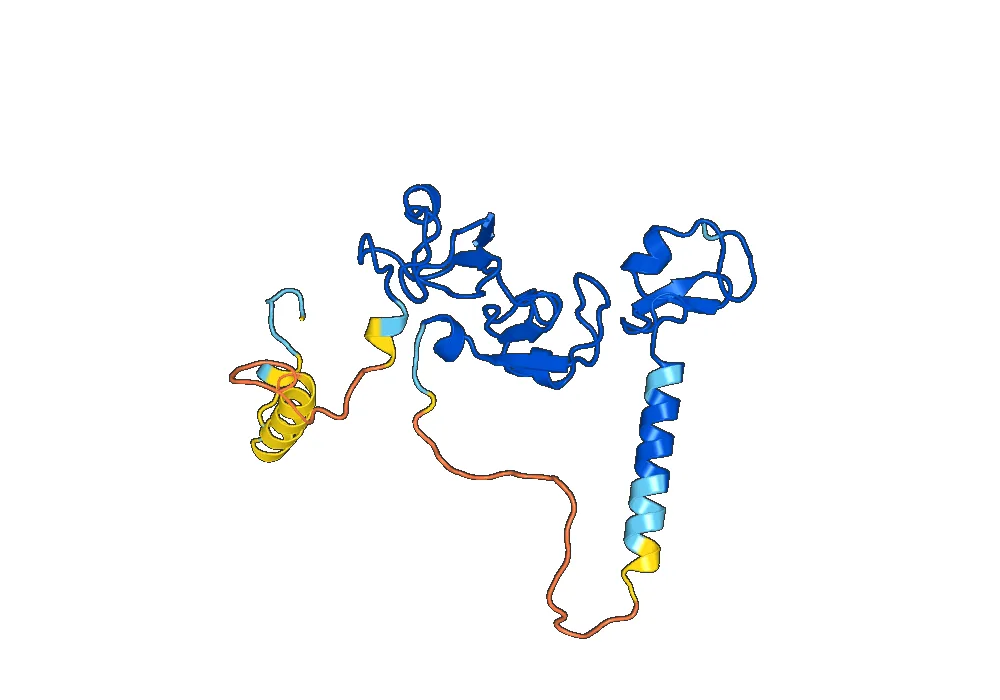
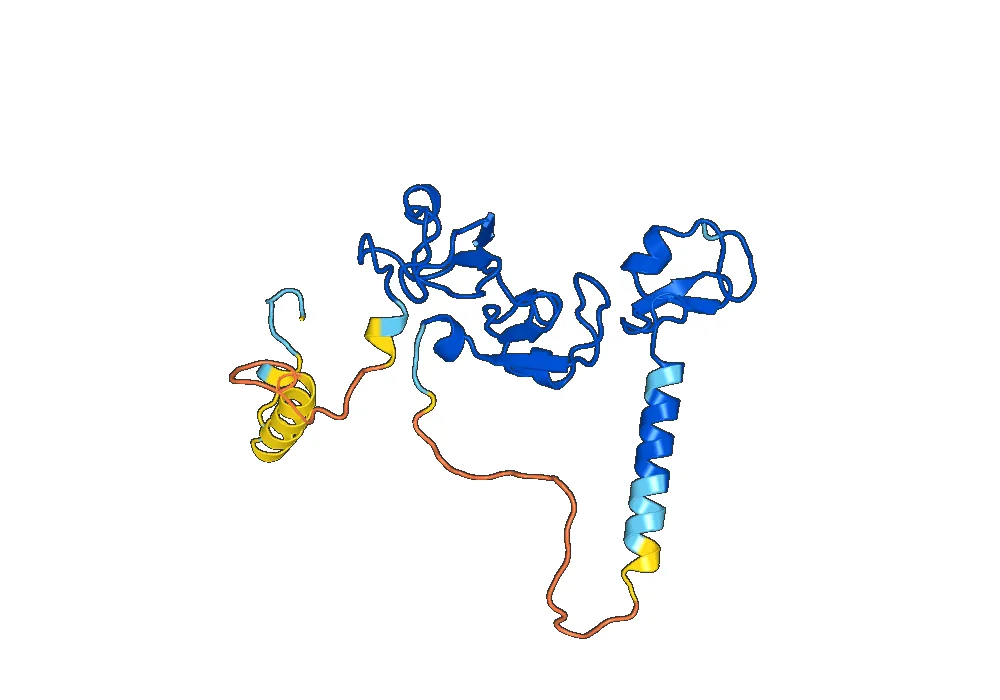
Recombinant Human MIB1 is a large protein consisting of 965 amino acids. It contains several functional domains, including a RING finger domain, four ankyrin repeats, and a ZZ-type zinc finger domain. These domains play a crucial role in the protein’s activity by mediating protein-protein interactions and ubiquitination. The RING finger domain is responsible for the E3 ubiquitin ligase activity of MIB1, while the ankyrin repeats and the ZZ-type zinc finger domain help in substrate recognition and binding.
Recombinant Human MIB1 is produced using recombinant DNA technology, where the MIB1 gene is inserted into an expression vector and then expressed in a suitable host cell. This results in the production of a highly pure and functional protein that can be used for various applications.
Activity of Recombinant Human MIB1
The main activity of Recombinant Human MIB1 is its E3 ubiquitin ligase function. This means that it catalyzes the transfer of ubiquitin molecules to specific target proteins, marking them for degradation by the proteasome. MIB1 specifically targets proteins involved in the Notch signaling pathway, such as the Notch receptors and ligands, for degradation. This leads to the downregulation of Notch signaling and affects various cellular processes, including cell fate determination, proliferation, and differentiation.
In addition to its E3 ubiquitin ligase activity, Recombinant Human MIB1 also has been shown to have non-enzymatic functions. It can act as a scaffold protein, bringing together different components of the Notch signaling pathway and facilitating their interactions. It also has been reported to have a role in regulating the stability and activity of other proteins, such as the tumor suppressor protein p53.
Applications of Recombinant Human MIB1
Recombinant Human MIB1 has a wide range of applications in both research and therapeutic settings. Its ability to regulate the Notch signaling pathway makes it a valuable tool for studying the role of this pathway in different biological processes. It can also be used to investigate the mechanisms of Notch-related diseases, such as cancer and developmental disorders.
One of the most promising applications of Recombinant Human MIB1 is in the development of targeted cancer therapies. As MIB1 plays a crucial role in the Notch signaling pathway, which is often dysregulated in cancer, targeting MIB1 with specific inhibitors can potentially lead to the inhibition of tumor growth. Several studies have shown the potential of MIB1 inhibitors in treating various types of cancer, including breast, lung, and colon cancer.
Furthermore, Recombinant Human MIB1 has also been used in the development of diagnostic tools for Notch-related diseases. For example, it has been used to develop a diagnostic test for T-cell acute lymphoblastic leukemia, a type of cancer caused by mutations in the Notch signaling pathway.
Conclusion
Recombinant Human MIB1 is a key player in the Notch signaling pathway, regulating various cellular processes. Its structure, activity, and applications make it a valuable tool in both research and therapeutic settings. With ongoing research and development, Recombinant Human MIB1 has the potential to contribute to the understanding and treatment of various diseases
There are no reviews yet.