Introduction
Recombinant Human MATR3 Protein, also known as Matrin 3, is a highly conserved nuclear matrix protein that plays a crucial role in various cellular processes such as transcription, RNA processing, and DNA repair. This protein is encoded by the MATR3 gene and is expressed in various tissues including the brain, heart, and skeletal muscle. In this article, we will discuss the structure, activity, and applications of Recombinant Human MATR3 Protein.
Structure of Recombinant Human MATR3 Protein
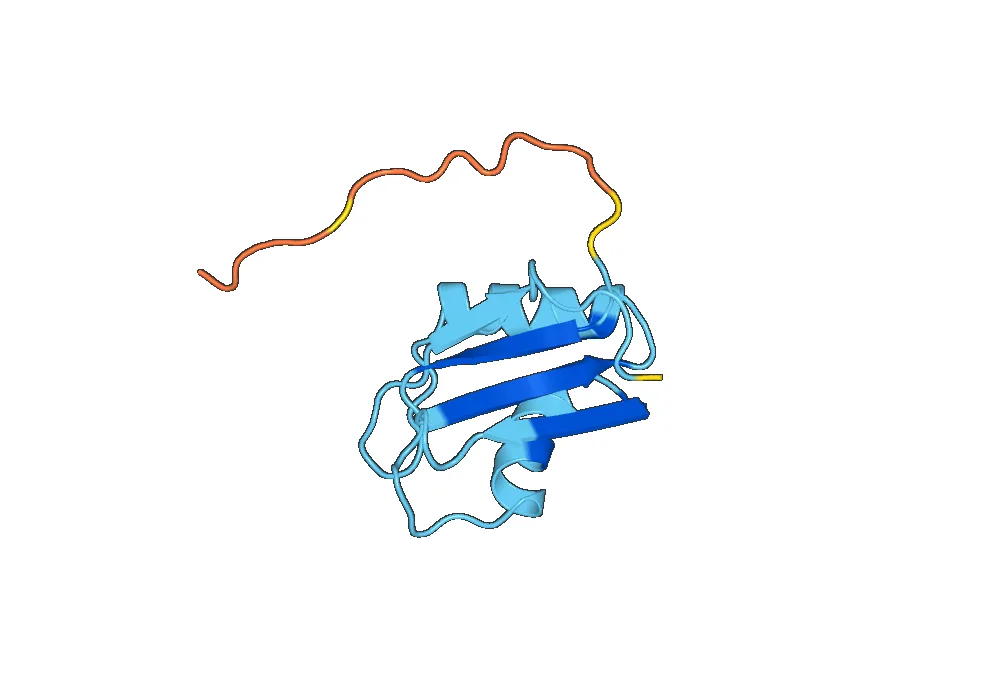
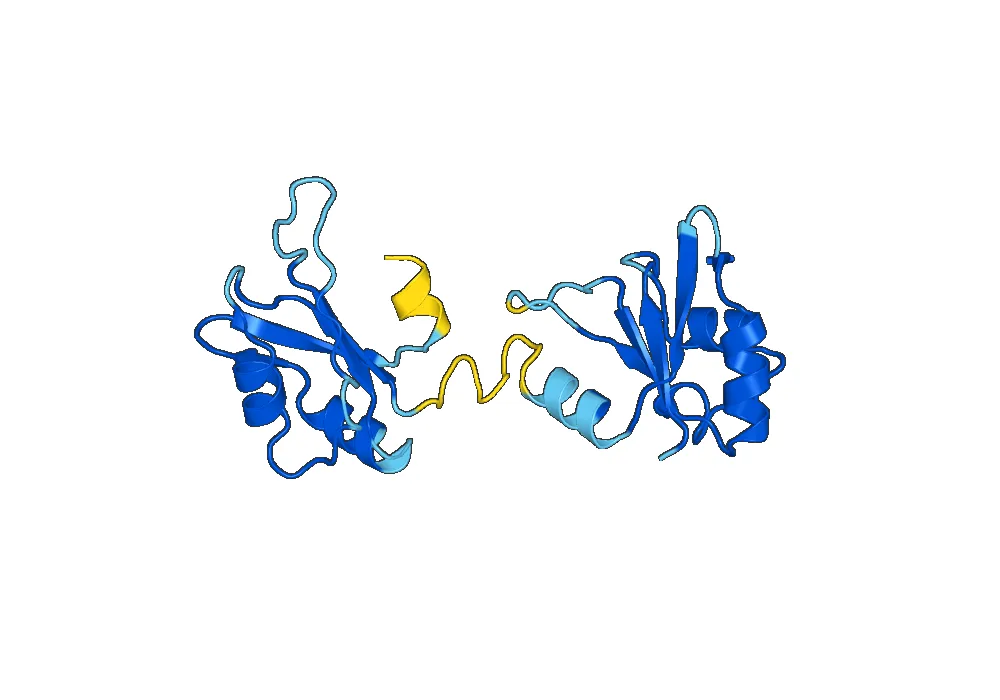
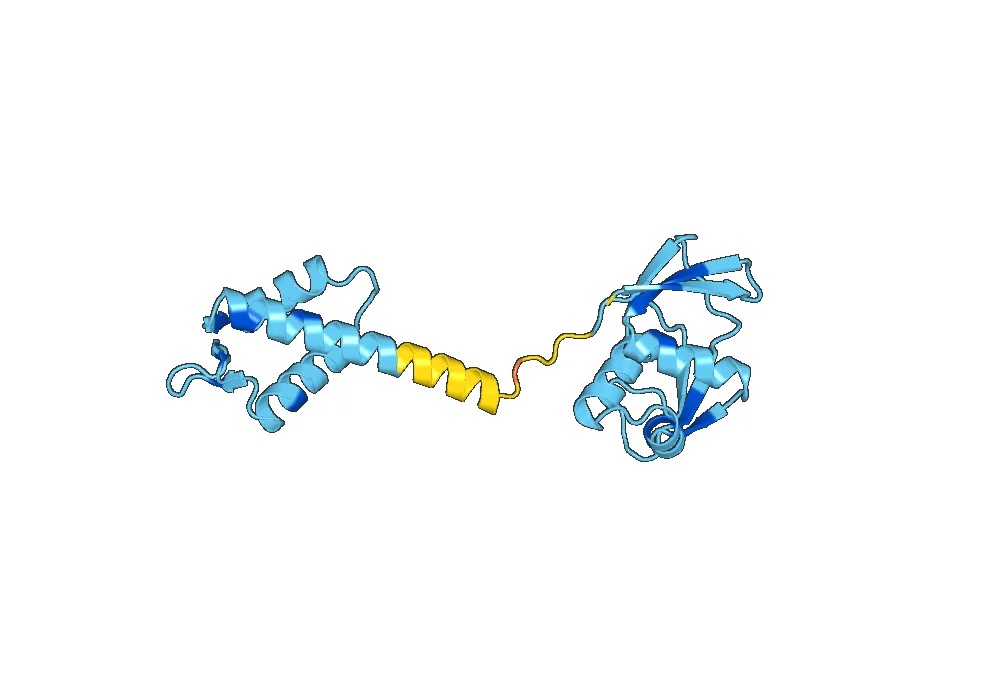
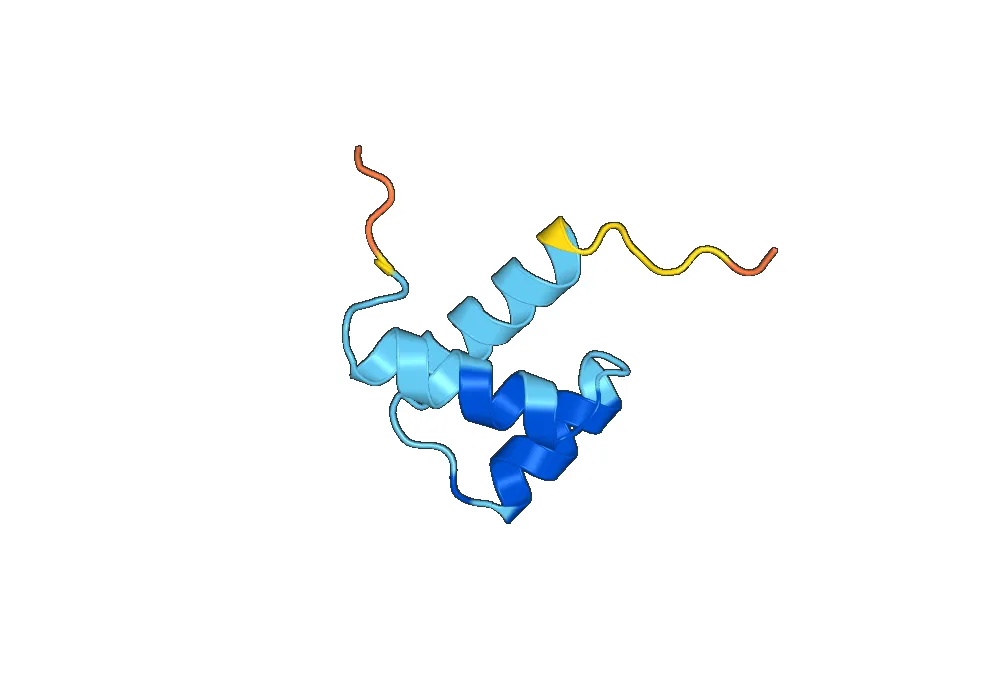
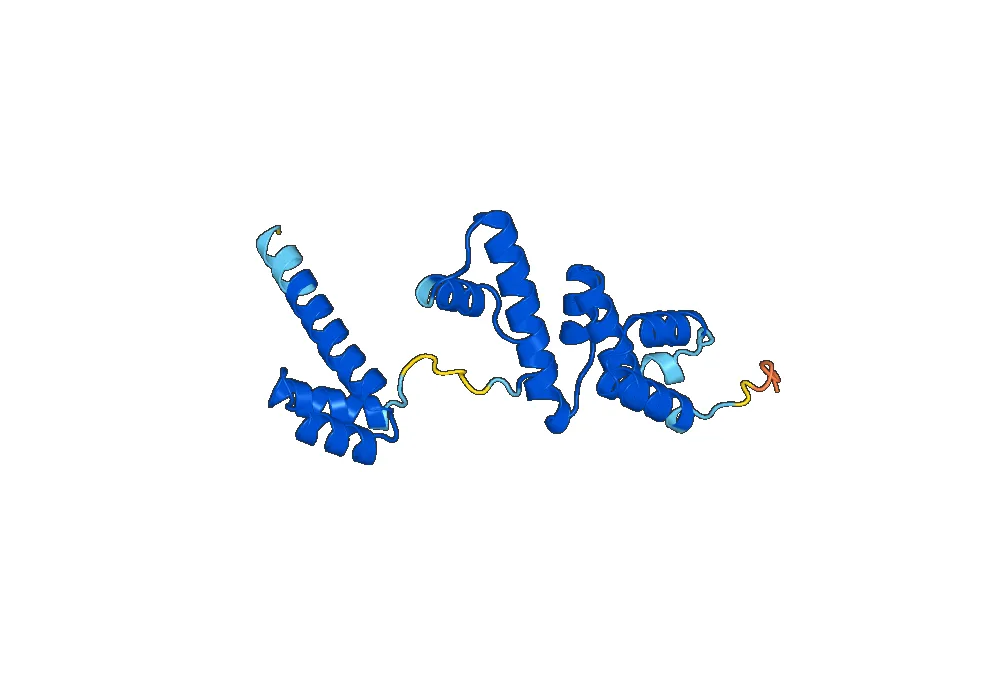
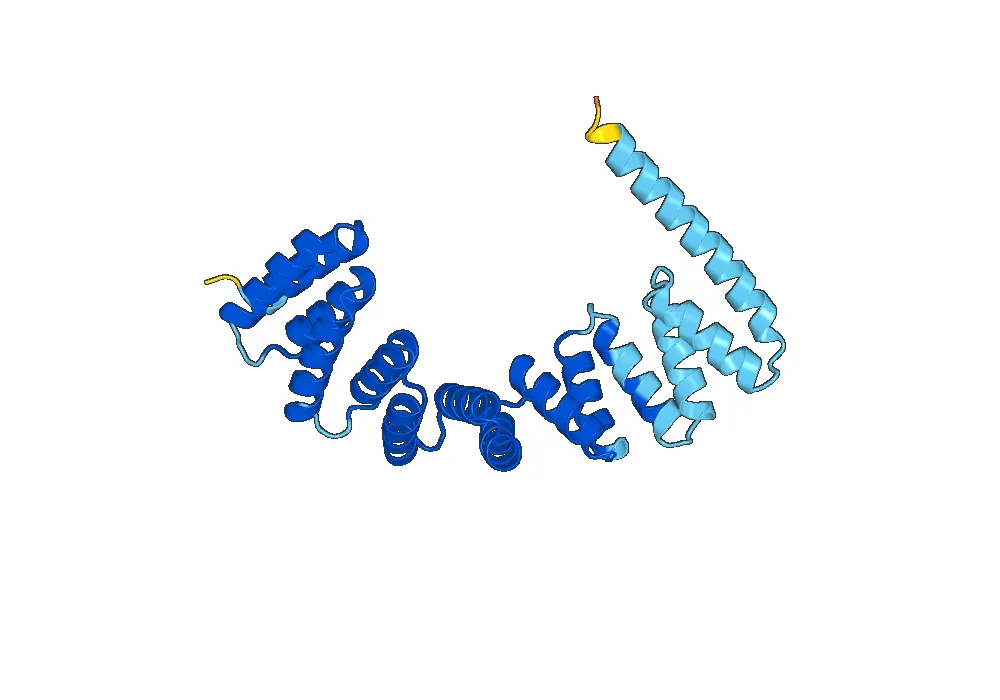
Recombinant Human MATR3 Protein is a 125 kDa protein consisting of 1,128 amino acids. It has a highly conserved N-terminal domain containing two RNA recognition motifs (RRMs) and a C-terminal domain containing a zinc finger motif. The two RRMs are responsible for the binding of RNA, while the zinc finger motif is involved in protein-protein interactions. This unique structure allows MATR3 to interact with a variety of cellular components and perform its diverse functions.
Activity of Recombinant Human MATR3 Protein
Recombinant Human MATR3 Protein has multiple functions in the cell. It is primarily known for its role in RNA processing, where it binds to pre-mRNA and regulates alternative splicing. It also plays a crucial role in transcriptional regulation by interacting with transcription factors and chromatin-modifying enzymes. Additionally, MATR3 is involved in DNA repair, where it interacts with DNA damage response proteins and facilitates the repair of damaged DNA.
RNA processing
MATR3 has been shown to bind to pre-mRNA and regulate alternative splicing. This process is essential for the generation of different protein isoforms from a single gene. Dysregulation of alternative splicing has been linked to various diseases, making MATR3 a potential therapeutic target.
Transcriptional regulation
MATR3 interacts with transcription factors such as p53 and CREB to regulate gene expression. It also interacts with chromatin-modifying enzymes, such as histone deacetylases, to modulate chromatin structure and gene expression. These interactions suggest that MATR3 plays a crucial role in maintaining the balance of gene expression in the cell.
DNA repair
MATR3 has been shown to interact with DNA damage response proteins, such as BRCA1 and RAD51, and facilitate the repair of damaged DNA. This activity is essential for maintaining genome stability and preventing the development of diseases such as cancer.
Applications of Recombinant Human MATR3 Protein
Recombinant Human MATR3 Protein has various applications in both research and therapeutic settings.
Research applications
MATR3 is a highly studied protein, and its role in RNA processing, transcriptional regulation, and DNA repair has been extensively investigated. Recombinant Human MATR3 Protein can be used in in vitro and in vivo studies to understand its molecular mechanisms and its interactions with other cellular components. It can also be used to study the effects of MATR3 mutations on its structure and function.
Therapeutic applications
Due to its involvement in various cellular processes, MATR3 has been implicated in several diseases, including cancer and neurodegenerative disorders. Recombinant Human MATR3 Protein can be used as a potential therapeutic target for these diseases. It can also be used in drug discovery and development to screen for compounds that can modulate MATR3 activity.
Conclusion
Recombinant Human MATR3 Protein is a highly conserved nuclear matrix protein with diverse functions in the cell. Its unique structure allows it to interact with multiple cellular components and perform essential activities such as RNA processing, transcriptional regulation, and DNA repair. It has various applications in research and therapeutics, making it a valuable tool in understanding and potentially treating various diseases.



There are no reviews yet.