Introduction
Recombinant Human LMX1B Protein, also known as LIM homeobox transcription factor 1 beta, is a protein that plays a critical role in the development and function of various tissues and organs in the human body. This protein is encoded by the LMX1B gene and is involved in regulating gene expression, cell differentiation, and tissue formation. In this article, we will discuss the structure, activity, and applications of recombinant Human LMX1B Protein.
Structure of Recombinant Human LMX1B Protein
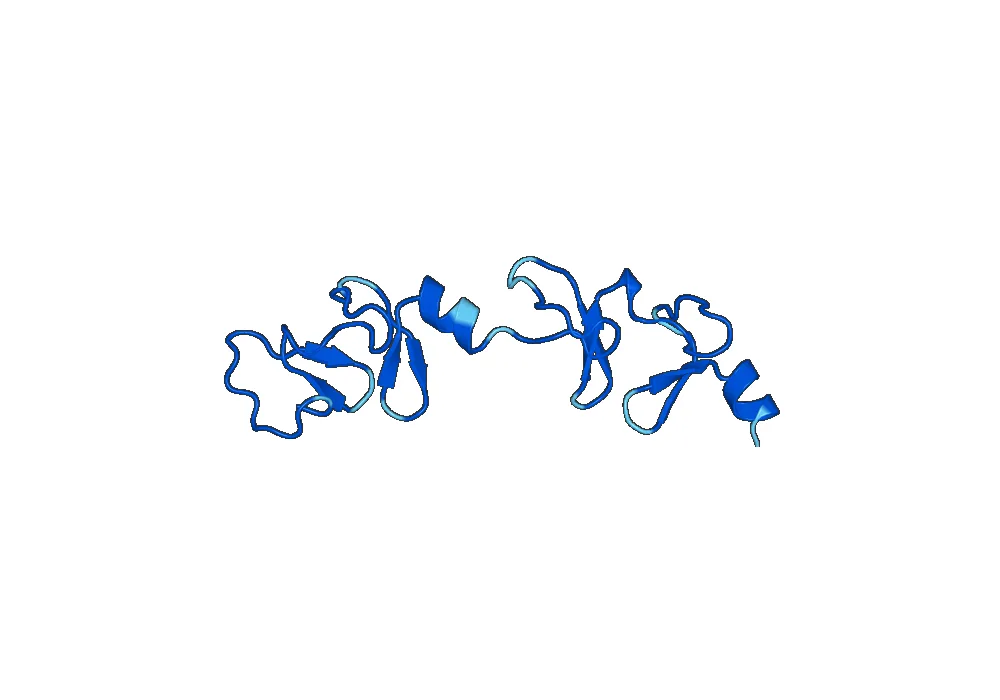
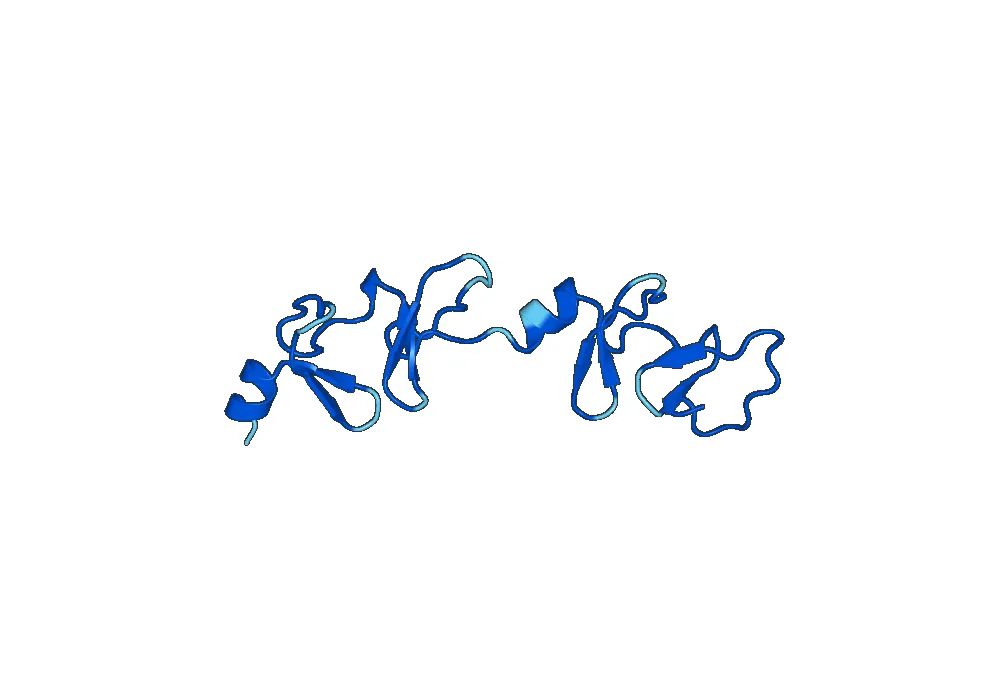
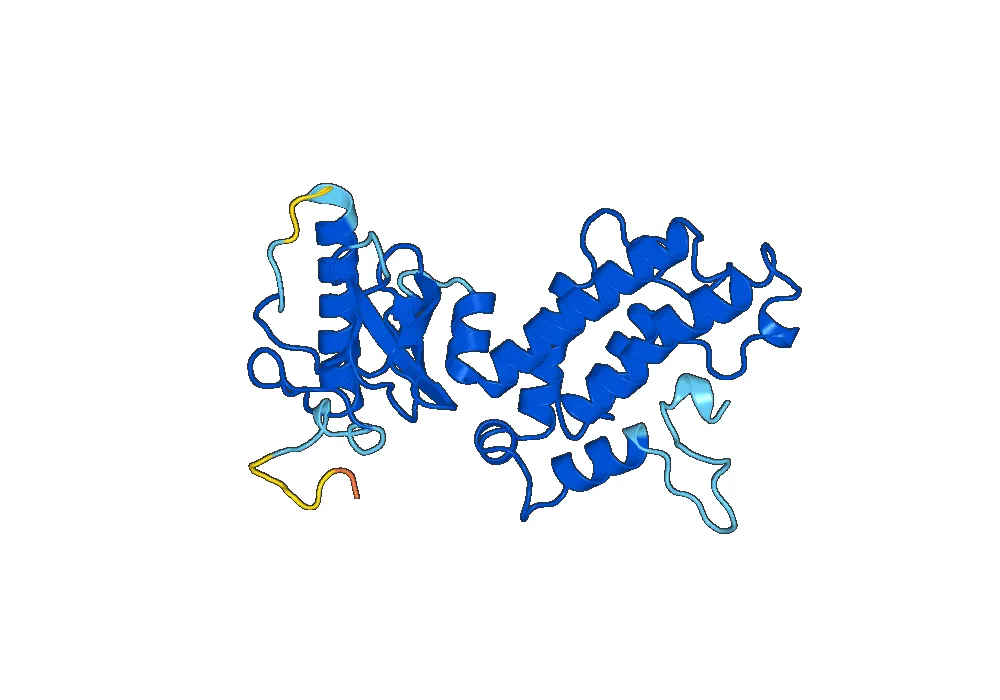
Recombinant Human LMX1B Protein is a transcription factor that belongs to the LIM homeobox family. It is composed of 402 amino acids and has a molecular weight of approximately 45 kDa. The protein contains two highly conserved LIM domains, which are involved in protein-protein interactions, and a homeobox domain, which is responsible for DNA binding and transcriptional regulation. The LIM domains are also important for the proper folding and stability of the protein.
Activity of Recombinant Human LMX1B Protein
Recombinant Human LMX1B Protein plays a crucial role in the development and function of various tissues and organs, including the central nervous system, kidney, and limb. It acts as a transcription factor, binding to specific DNA sequences and regulating the expression of target genes. This protein is involved in the development of dopaminergic neurons, which are important for motor control and coordination. It also plays a role in the formation of the glomerular basement membrane in the kidney, which is essential for proper kidney function. In addition, Recombinant Human LMX1B Protein is involved in the development of the limbs, specifically in the formation of bones and joints.
Application of Recombinant Human LMX1B Protein
Due to its critical role in various biological processes, Recombinant Human LMX1B Protein has been studied extensively and has potential applications in various fields.
Recombinant Protein Production
Recombinant Human LMX1B Protein can be produced in large quantities using recombinant DNA technology. This involves cloning the LMX1B gene into a suitable expression vector and expressing it in a host cell, such as E. coli or mammalian cells. The recombinant protein can then be purified and used for further studies or applications.
Antigen for Antibody Production
Recombinant Human LMX1B Protein can be used as an antigen to produce specific antibodies. These antibodies can then be used for various applications, such as Western blotting, immunohistochemistry, and immunofluorescence, to study the expression and localization of LMX1B in different tissues and cells.
Drug Development
As Recombinant Human LMX1B Protein is involved in the development and function of various tissues and organs, it has the potential to be a target for drug development. Modulating the activity of this protein could have therapeutic implications for diseases and disorders related to its function, such as Parkinson’s disease, kidney diseases, and limb malformations.
Research Tool
Recombinant Human LMX1B Protein can also serve as a valuable research tool for studying the function and regulation of this protein. It can be used in various in vitro and in vivo experiments to understand its role in development and disease.
Conclusion
In conclusion, Recombinant Human LMX1B Protein is a crucial protein involved in the development and function of various tissues and organs. Its structure, activity, and potential applications make it a valuable protein for further research and development. With ongoing studies and advancements in recombinant protein technology, the potential uses of Recombinant Human LMX1B Protein are likely to expand, leading to new insights and potential therapeutic options for various diseases and disorders.
There are no reviews yet.