It looks like you are visiting from outside the EU. Switch to the US version to see local pricing in USD and local shipping.

Switch to US ($)

Get 25% off your first bioreagent online order — use code: PROTEOSHOP25

Brand: ProteoGenix

Recombinant Human LGALS13, N-GST

Host species:
Escherichia coli (E.coli)
Origin species:
Human
Uniprot ID:
Q9UHV8
Molecular weight:
42.96 kDa

Original price was: €325.00.Current price is: €275.00.

100ug 15% OFF + 275 loyalty points
Met1–Asn139
Size
  • In Stock
  • Free shipping in EU on orders > €500
  • Wide range of unique reagents
  • Fast worldwide delivery

Recombinant Human LGALS13, N-GST

Product name ARO-P13026-100
Uniprot ID Q9UHV8
Origin species Human
Expression system Prokaryotic expression
Raw Antigen Sequence MSSLPVPYKLPVSLSVGSCVIIKGTPIHSFINDPQLQVDFYTDMDEDSDIAFRFRVHFGNHVVMNRREFGIWMLEETTDYVPFEDGKQFELCIYVHYNEYEIKVNGIRIYGFVHRIPPSFVKMVQVSRDISLTSVCVCN
Molecular weight 42.96 kDa
Buffer Lyophilized from a solution in PBS pH 7.4, 0.02% NLS, 1mM EDTA, 4% Trehalose, 1% Mannitol.
Delivery condition Dry Ice
Delivery lead time in business days 3-5 days if in stock; 3-5 weeks if production needed
Storage condition 4°C for short term (1 week), -20°C or -80°C for long term (avoid freezing/thawing cycles; addition of 20-40% glycerol improves cryoprotection)
Brand ProteoGenix
Host species Escherichia coli (E.coli)
Fragment Type Met1-Asn139
Aliases /Synonyms Gal-13, PLAC8, Placental tissue protein 13, LGALS13, PP13, Galactoside-binding soluble lectin 13, Galectin-13, Placental protein 13
Reference ARO-P13026
Note For research use only.
Molecular Constructor
Met1–Asn139
Product name ARO-P13026-1MG
Uniprot ID Q9UHV8
Origin species Human
Expression system Prokaryotic expression
Raw Antigen Sequence MSSLPVPYKLPVSLSVGSCVIIKGTPIHSFINDPQLQVDFYTDMDEDSDIAFRFRVHFGNHVVMNRREFGIWMLEETTDYVPFEDGKQFELCIYVHYNEYEIKVNGIRIYGFVHRIPPSFVKMVQVSRDISLTSVCVCN
Molecular weight 42.96 kDa
Buffer Lyophilized from a solution in PBS pH 7.4, 0.02% NLS, 1mM EDTA, 4% Trehalose, 1% Mannitol.
Delivery condition Dry Ice
Delivery lead time in business days 3-5 days if in stock; 3-5 weeks if production needed
Storage condition 4°C for short term (1 week), -20°C or -80°C for long term (avoid freezing/thawing cycles; addition of 20-40% glycerol improves cryoprotection)
Brand ProteoGenix
Host species Escherichia coli (E.coli)
Fragment Type Met1-Asn139
Aliases /Synonyms Gal-13, PLAC8, Placental tissue protein 13, LGALS13, PP13, Galactoside-binding soluble lectin 13, Galectin-13, Placental protein 13
Reference ARO-P13026
Note For research use only.
Molecular Constructor
Met1–Asn139
Product name ARO-P13026-50
Uniprot ID Q9UHV8
Origin species Human
Expression system Prokaryotic expression
Raw Antigen Sequence MSSLPVPYKLPVSLSVGSCVIIKGTPIHSFINDPQLQVDFYTDMDEDSDIAFRFRVHFGNHVVMNRREFGIWMLEETTDYVPFEDGKQFELCIYVHYNEYEIKVNGIRIYGFVHRIPPSFVKMVQVSRDISLTSVCVCN
Molecular weight 42.96 kDa
Buffer Lyophilized from a solution in PBS pH 7.4, 0.02% NLS, 1mM EDTA, 4% Trehalose, 1% Mannitol.
Delivery condition Dry Ice
Delivery lead time in business days 3-5 days if in stock; 3-5 weeks if production needed
Storage condition 4°C for short term (1 week), -20°C or -80°C for long term (avoid freezing/thawing cycles; addition of 20-40% glycerol improves cryoprotection)
Brand ProteoGenix
Host species Escherichia coli (E.coli)
Fragment Type Met1-Asn139
Aliases /Synonyms Gal-13, PLAC8, Placental tissue protein 13, LGALS13, PP13, Galactoside-binding soluble lectin 13, Galectin-13, Placental protein 13
Reference ARO-P13026
Note For research use only.
Molecular Constructor
Met1–Asn139

Introduction to Recombinant Human LGALS13

Recombinant Human LGALS13, also known as Galectin-13, is a protein that is produced through genetic engineering techniques. It is a member of the galectin family of proteins, which are characterized by their ability to bind to specific sugar molecules on the surface of cells. LGALS13 is a small protein, consisting of 135 amino acids, and is highly conserved among different species.

Structure of Recombinant Human LGALS13

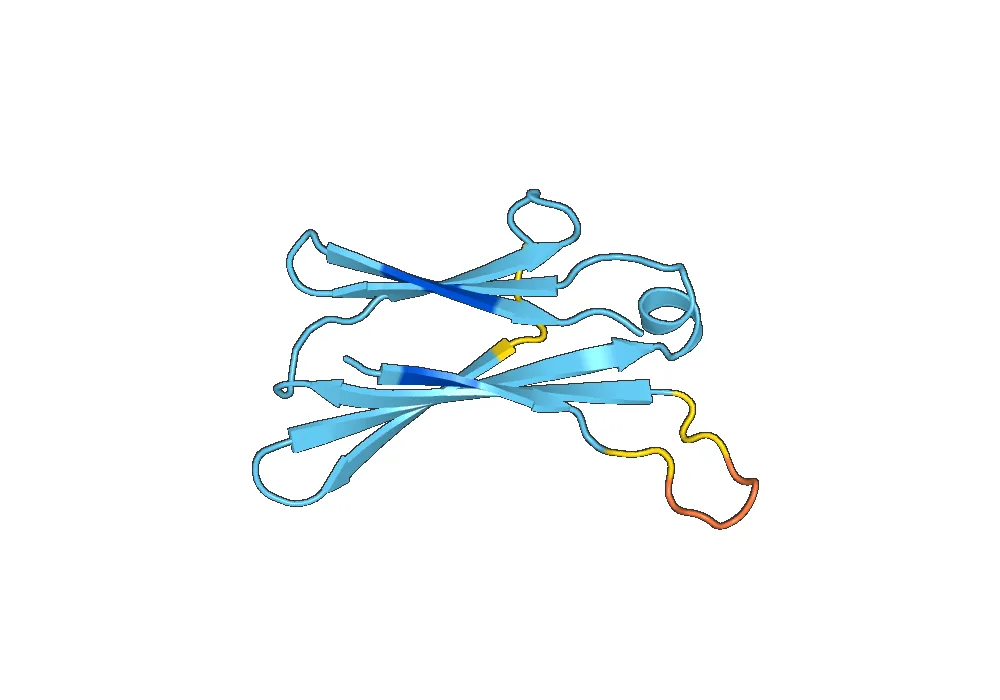
The structure of Recombinant Human LGALS13 is composed of two distinct domains: a carbohydrate recognition domain (CRD) and a non-carbohydrate recognition domain (NCRD). The CRD is responsible for binding to specific sugar molecules, while the NCRD is involved in protein-protein interactions. The two domains are connected by a flexible linker region, which allows for conformational changes and flexibility in binding.

The CRD of LGALS13 is composed of two subdomains, each containing a conserved carbohydrate-binding site. These sites are responsible for the binding of LGALS13 to specific sugar molecules, such as galactose and lactose. The NCRD, on the other hand, is composed of a single subdomain and is involved in binding to other proteins, such as integrins and extracellular matrix proteins.

Activity of Recombinant Human LGALS13

The main activity of Recombinant Human LGALS13 is its ability to bind to specific sugar molecules present on the surface of cells. This binding is mediated by the CRD of LGALS13 and is important for various cellular processes, including cell adhesion, migration, and signaling. LGALS13 has been shown to bind to a variety of cell types, including immune cells, endothelial cells, and cancer cells.

In addition to its role in sugar binding, LGALS13 also has anti-inflammatory properties. It has been shown to inhibit the production of pro-inflammatory cytokines and chemokines, as well as the activation of immune cells. This anti-inflammatory activity is mediated by the NCRD of LGALS13, which interacts with specific receptors on immune cells.

Application of Recombinant Human LGALS13

Recombinant Human LGALS13 has a wide range of potential applications in both research and clinical settings. Its ability to bind to specific sugar molecules makes it a valuable tool for studying cell-surface interactions and signaling pathways. LGALS13 can also be used as a diagnostic tool for certain diseases, as its expression has been linked to various cancers and inflammatory disorders.

Furthermore, LGALS13 has therapeutic potential in the treatment of various diseases. Its anti-inflammatory properties make it a promising candidate for the treatment of inflammatory disorders, such as rheumatoid arthritis and inflammatory bowel disease. Additionally, LGALS13 has been shown to inhibit tumor growth and metastasis, making it a potential target for cancer therapy.

Conclusion

In summary, Recombinant Human LGALS13 is a small protein with a unique structure and multiple functions. Its ability to bind to specific sugar molecules and inhibit inflammation makes it a valuable tool in research and a potential therapeutic agent for various diseases. As research on LGALS13 continues, its potential applications in medicine and biotechnology are likely to expand, making it an important protein in the field of molecular biology.

Keywords: Recombinant protein, antigen, LGALS13, galectin, sugar binding, anti-inflammatory, therapeutic, research, clinical, cancer, immune cells.
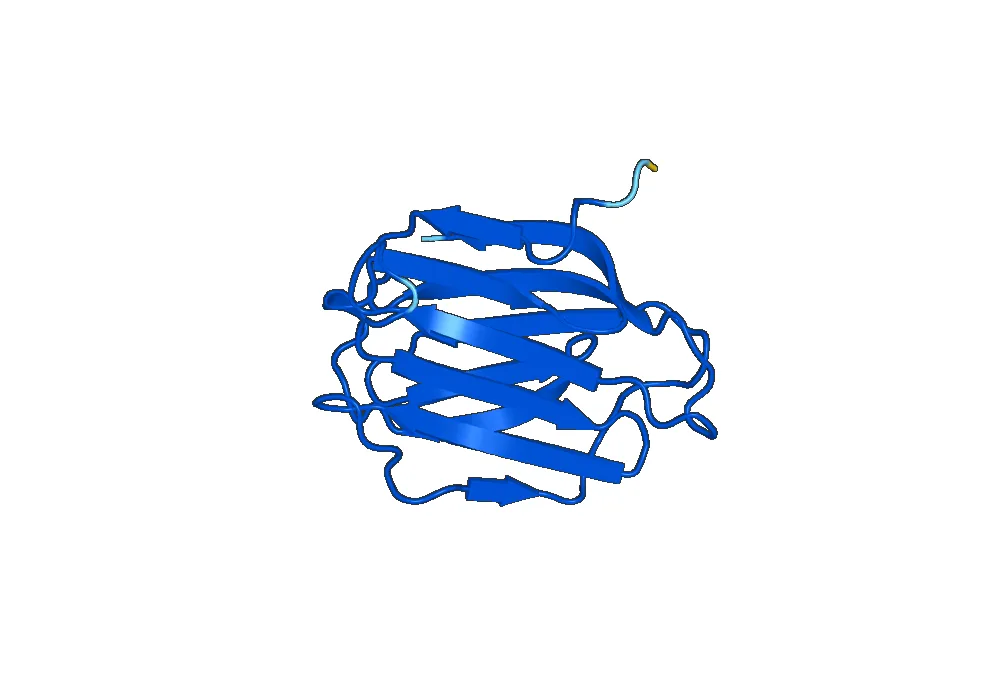

Recombinant Human LGALS13, N-GST

There are no reviews yet.

Be the first to review “Recombinant Human LGALS13, N-GST”

Your email address will not be published. Required fields are marked *

Related products

Recently viewed products

Loading recently viewed products…

Can’t find what you need?

Our catalog doesn’t cover everything — but our team does. Whether you need a custom antibody, a specific protein variant, or a bulk order, our scientists are here to help.

Contact Our Team Book a Call

Cart (0 Items)

Your cart is currently empty.

View Products