Introduction
Recombinant Human KHDRBS1 Protein, also known as KH domain-containing, RNA-binding, signal transduction-associated protein 1, is a highly conserved protein found in all eukaryotic organisms. It plays a crucial role in regulating various cellular processes, including RNA metabolism, signal transduction, and cell differentiation. In this article, we will explore the structure, activity, and applications of this important protein.
Structure of Recombinant Human KHDRBS1 Protein
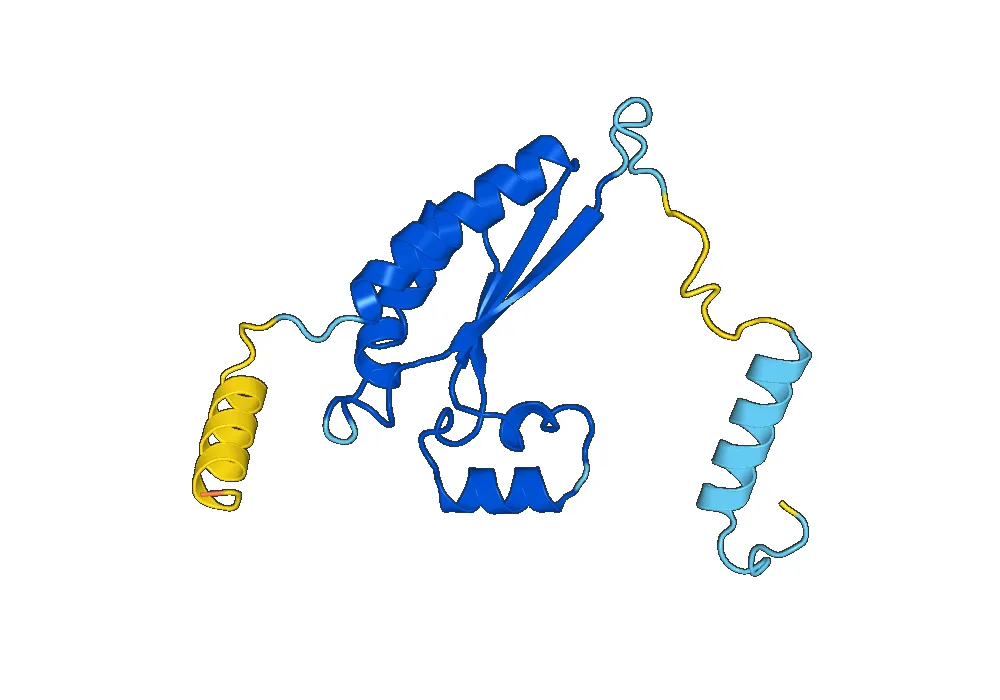
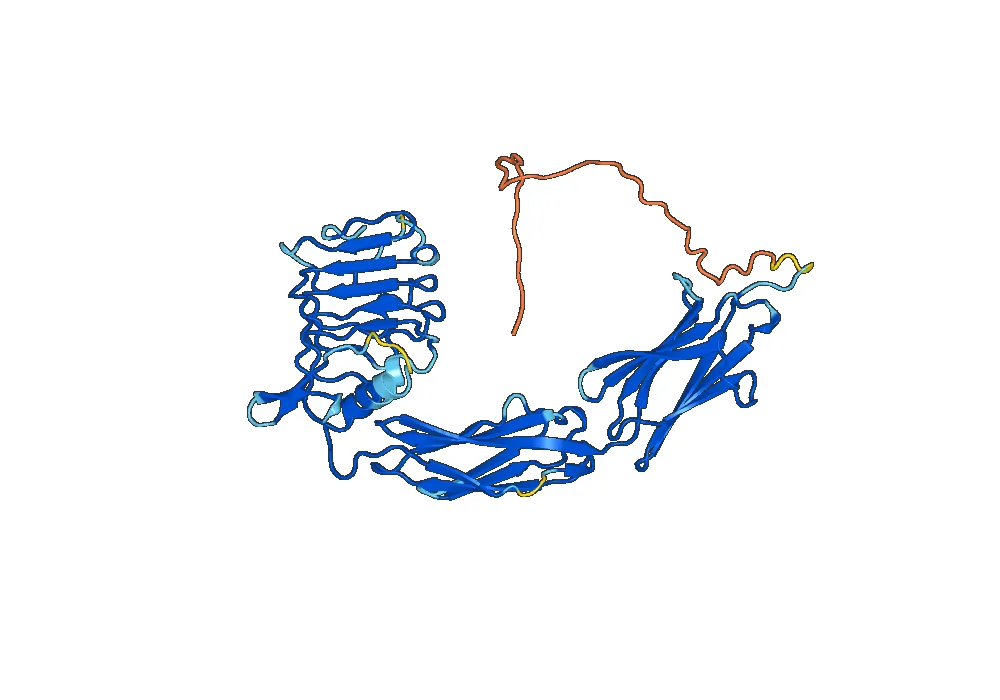
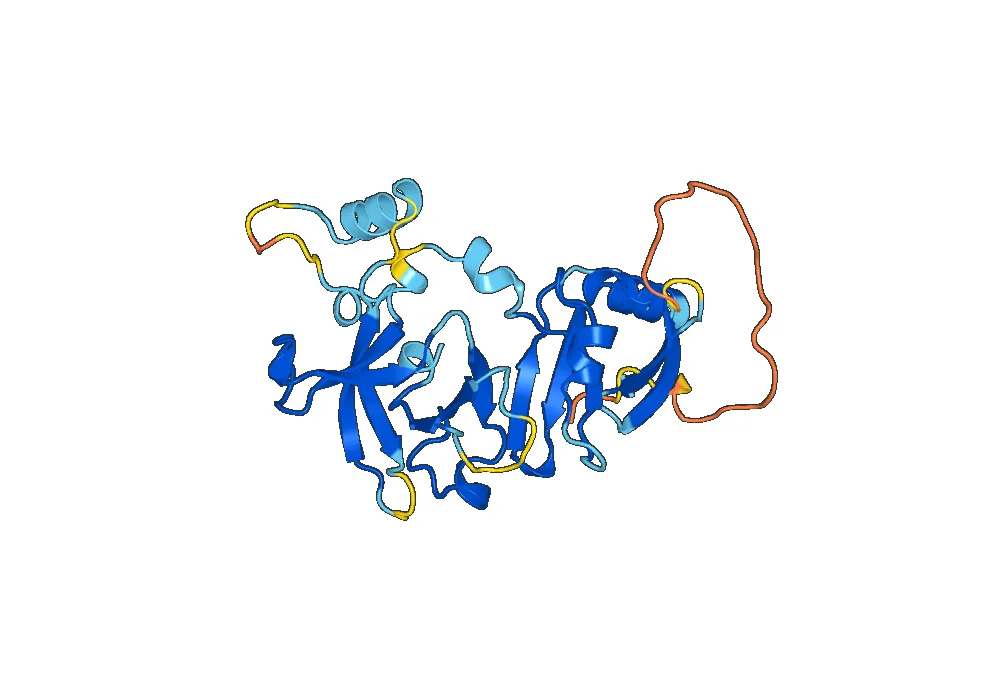
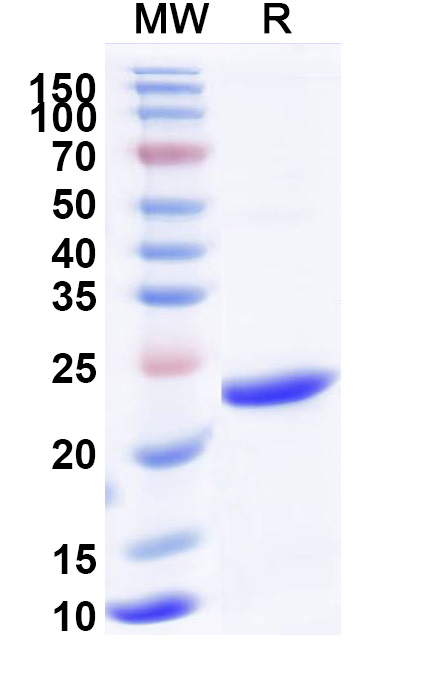
The KHDRBS1 gene is located on chromosome 1 in humans and consists of 10 exons. The protein is composed of 437 amino acids and has a molecular weight of approximately 50 kDa. It contains three KH domains, which are RNA-binding domains that are involved in the recognition and binding of specific RNA sequences. These domains are essential for the proper functioning of KHDRBS1 in RNA metabolism and signal transduction.
In addition to the KH domains, Recombinant Human KHDRBS1 Protein also contains a proline-rich region and a tyrosine-rich region. These regions are important for protein-protein interactions and play a role in the regulation of KHDRBS1 activity.
Activity of Recombinant Human KHDRBS1 Protein
The main function of KHDRBS1 is to regulate RNA metabolism by binding to specific RNA sequences and influencing their processing, transport, and translation. It has been found to interact with various RNA-binding proteins, including splicing factors, poly(A)-binding protein, and mRNA decay factors, to modulate RNA splicing and stability.
In addition to its role in RNA metabolism, KHDRBS1 is also involved in signal transduction pathways. It has been shown to interact with various signaling molecules, such as protein kinases and phosphatases, and regulate their activity. This suggests that KHDRBS1 may play a role in cell signaling and cell differentiation processes.
Applications of Recombinant Human KHDRBS1 Protein
The recombinant form of KHDRBS1 protein has been widely used in various research studies to investigate its structure, function, and potential therapeutic applications. Some of the applications of this protein include:
1. Studying RNA metabolism
Recombinant Human KHDRBS1 Protein has been used in in vitro and in vivo studies to understand its role in RNA metabolism. By manipulating the expression or activity of KHDRBS1, researchers can study the effects on RNA processing, transport, and translation, providing insights into the mechanisms of RNA regulation in cells.
2. Investigating signal transduction pathways
As KHDRBS1 is involved in signal transduction pathways, recombinant protein has been used to study its interactions with various signaling molecules and its role in regulating their activity. This has helped to elucidate the role of KHDRBS1 in cell signaling and its potential implications in diseases such as cancer.
3. Drug development
Due to its involvement in various cellular processes, KHDRBS1 has been identified as a potential target for drug development. Recombinant Human KHDRBS1 Protein has been used in high-throughput screening assays to identify small molecules that can modulate its activity. These molecules can then be further developed into potential therapeutics for diseases associated with KHDRBS1 dysregulation.
4. Diagnostic tool
KHDRBS1 has been found to be overexpressed in certain types of cancers, making it a potential diagnostic marker. Recombinant Human KHDRBS1 Protein has been used in immunoassays to detect the presence of KHDRBS1 in patient samples, providing a potential tool for cancer diagnosis and prognosis.
5. Vaccine development
Recombinant Human KHDRBS1 Protein has been used as an antigen in vaccine development.

There are no reviews yet.