Introduction
Recombinant Human IFT43 Protein, also known as intraflagellar transport protein 43, is a protein that plays a crucial role in the formation and maintenance of cilia, which are hair-like structures found on the surface of many cells. This protein is produced through recombinant DNA technology, making it a valuable tool for studying cilia-related diseases and potential therapeutic applications.
Structure of Recombinant Human IFT43 Protein
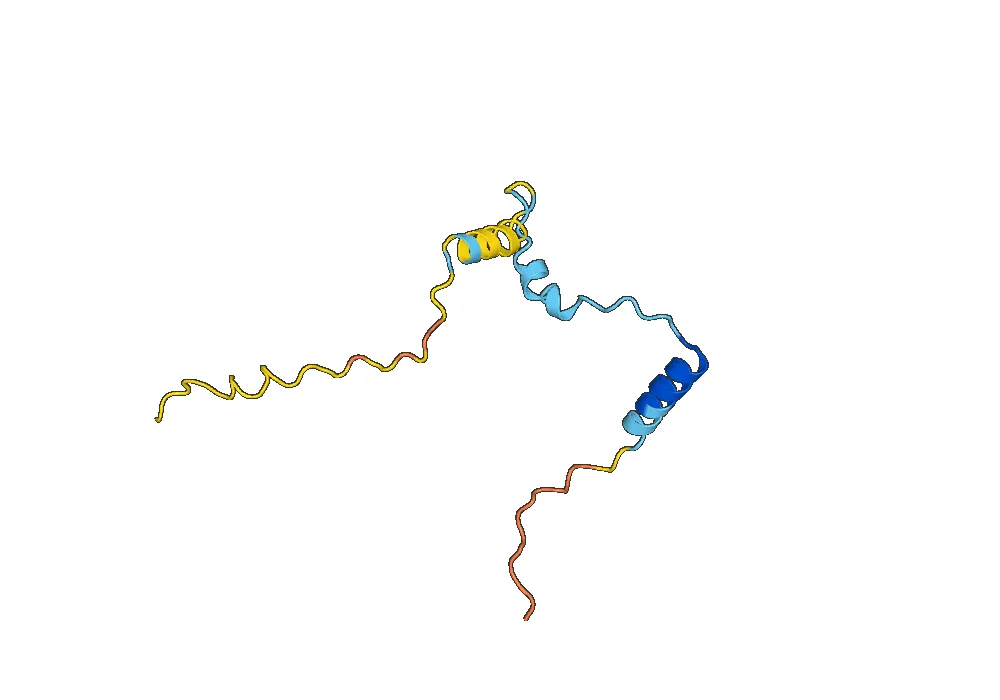
Recombinant Human IFT43 Protein is a 43-kDa protein that is composed of 364 amino acids. It belongs to the intraflagellar transport (IFT) protein family, which is essential for the assembly and function of cilia. The protein contains several conserved domains, including an N-terminal WD40 repeat domain and a C-terminal coiled-coil domain. These domains are important for the protein’s interaction with other IFT proteins and its role in cilia formation.
Activity of Recombinant Human IFT43 Protein
The primary function of Recombinant Human IFT43 Protein is to facilitate the transport of proteins and other molecules along the ciliary axoneme, which is the structural core of cilia. This transport process is crucial for the assembly and maintenance of cilia, as well as for the proper functioning of cilia-related signaling pathways. IFT43 accomplishes this by forming a complex with other IFT proteins and motor proteins, which work together to move cargo along the ciliary axoneme.
Application of Recombinant Human IFT43 Protein
Recombinant Human IFT43 Protein has a wide range of applications in both research and therapeutic settings. Its role in cilia formation and function makes it a valuable tool for studying cilia-related diseases, such as ciliopathies, which are genetic disorders caused by defects in cilia. By studying the activity and interactions of IFT43, researchers can gain a better understanding of the underlying mechanisms of these diseases and potentially develop new treatments.
In addition, Recombinant Human IFT43 Protein has potential therapeutic applications in the treatment of cilia-related diseases. For example, studies have shown that mutations in IFT43 can lead to Bardet-Biedl syndrome, a ciliopathy that affects multiple organ systems. By producing recombinant IFT43 protein, researchers can potentially develop targeted therapies to correct the underlying genetic defect and improve the symptoms of this disease.
Furthermore, Recombinant Human IFT43 Protein has been used in the development of diagnostic tools for cilia-related diseases. For example, it has been used as an antigen in immunoassays to detect the presence of antibodies against IFT43 in patients with ciliopathies. These tests can aid in the diagnosis and monitoring of these diseases, allowing for earlier detection and treatment.
Conclusion
In summary, Recombinant Human IFT43 Protein is a crucial component of the intraflagellar transport machinery, playing a vital role in cilia formation and function. Through recombinant DNA technology, this protein can be produced in large quantities and used for various research and therapeutic purposes. Its structural characteristics, activity, and potential applications make it a valuable tool for studying cilia-related diseases and developing new treatments.
There are no reviews yet.