Introduction to Recombinant Human HUS1 Protein
Recombinant Human HUS1 Protein, also known as HUS1 checkpoint clamp component, is a protein that plays a crucial role in DNA damage response and cell cycle regulation. It is a subunit of the checkpoint clamp complex, which is involved in the activation of checkpoint signaling pathways in response to DNA damage. This protein is encoded by the HUS1 gene and is highly conserved among different species, including humans.
Structure of Recombinant Human HUS1 Protein
The recombinant form of HUS1 protein is produced using recombinant DNA technology, where the HUS1 gene is cloned and expressed in a host cell. The resulting protein has a molecular weight of approximately 30 kDa and consists of 280 amino acids. It has a conserved domain known as the PCNA-binding motif, which is essential for its interaction with other checkpoint clamp complex subunits.
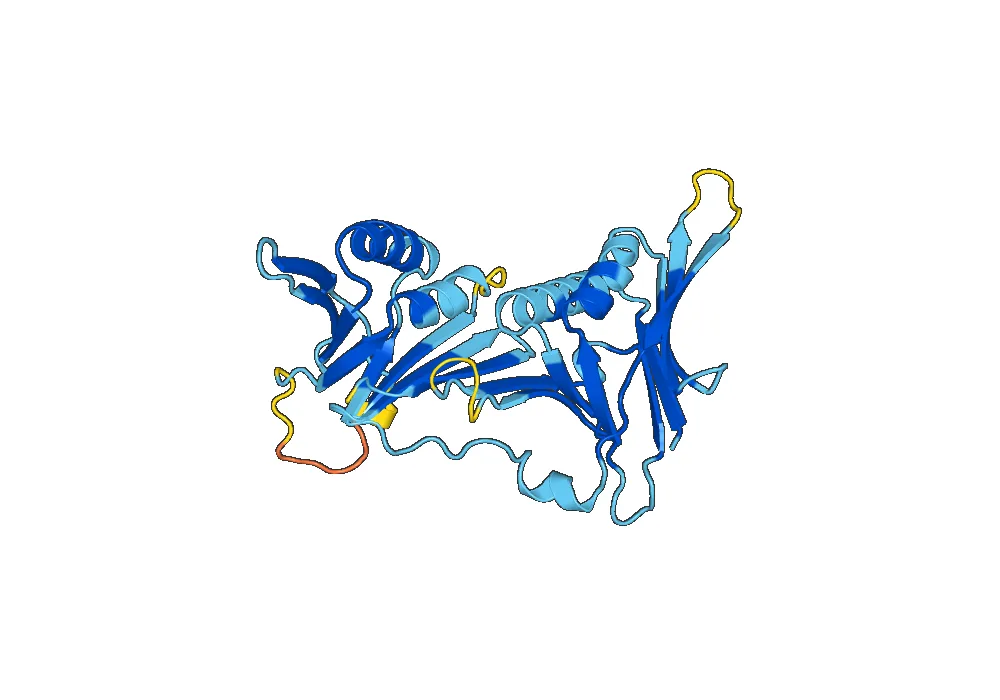
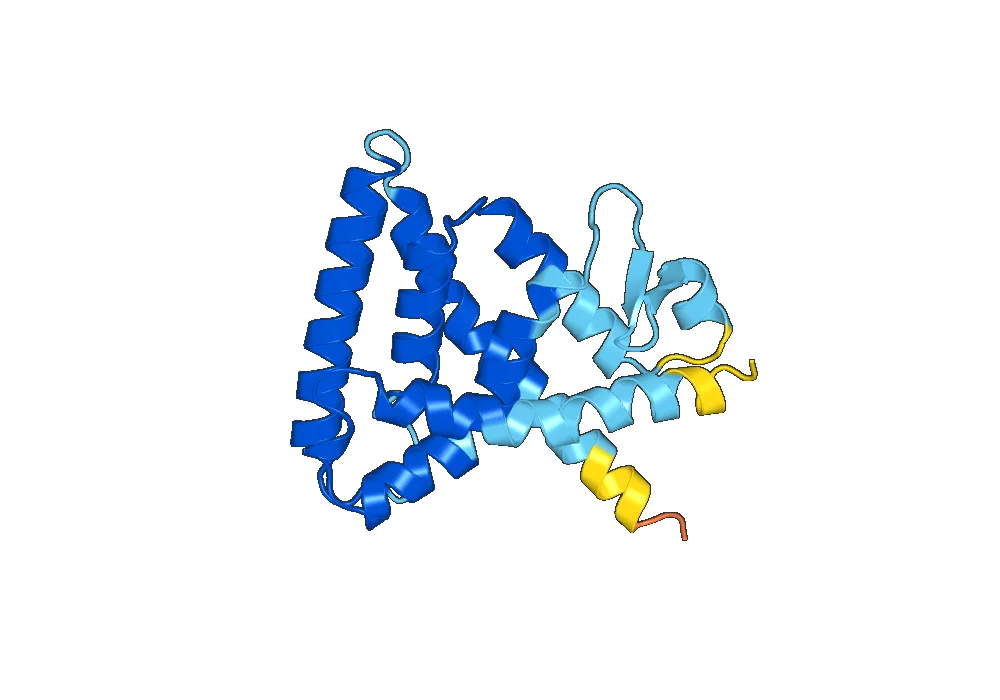
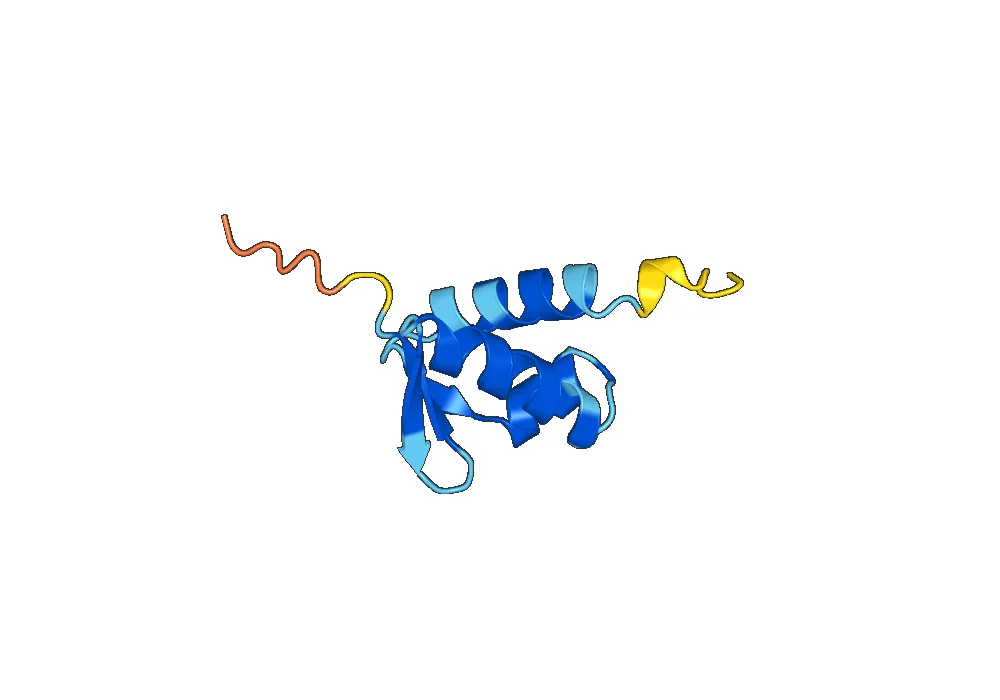
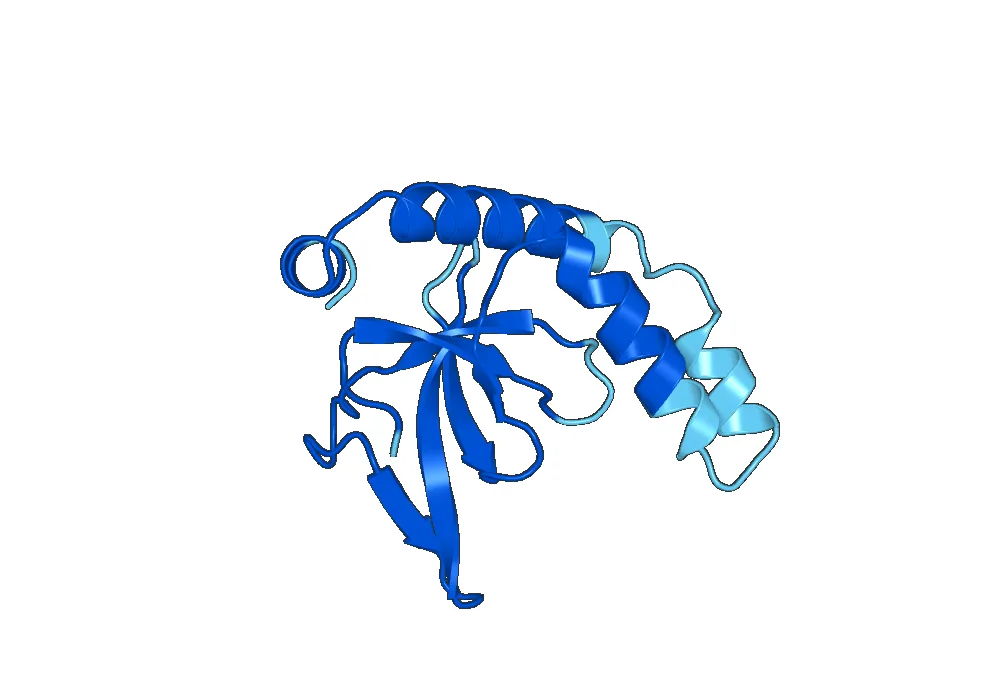
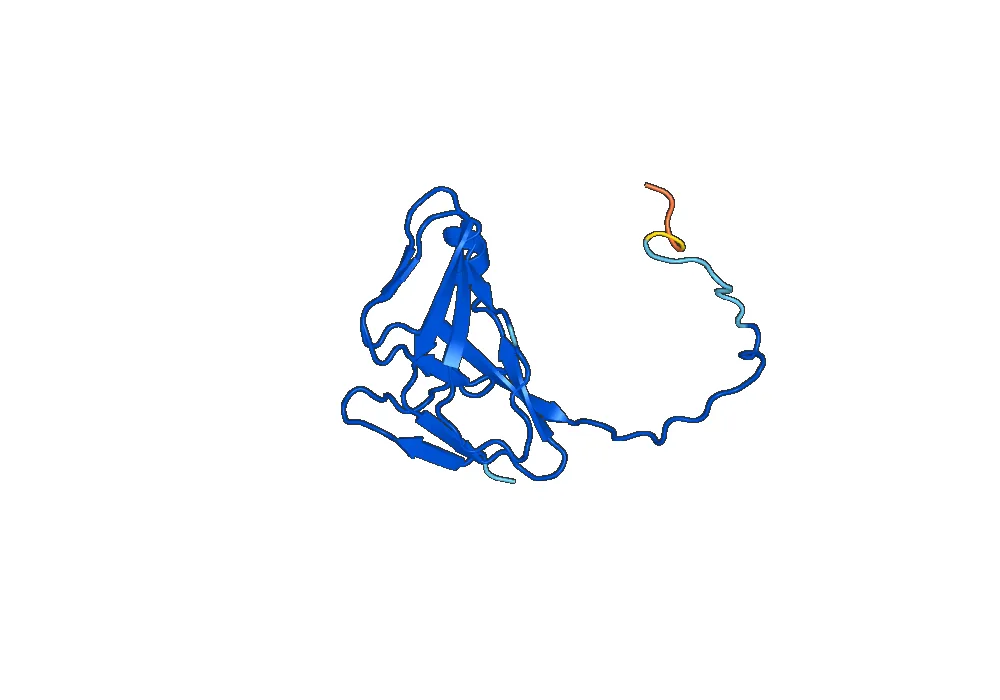
The crystal structure of recombinant Human HUS1 Protein has been determined, revealing a three-domain structure. The N-terminal domain is responsible for binding to the checkpoint kinase 1 (CHK1), while the central domain interacts with the checkpoint kinase 2 (CHK2). The C-terminal domain is involved in the formation of the checkpoint clamp complex and is essential for its function in DNA damage response.
Activity of Recombinant Human HUS1 Protein
Recombinant Human HUS1 Protein is a key component of the checkpoint clamp complex, which is activated in response to DNA damage. Upon detection of DNA damage, the checkpoint clamp complex is recruited to the site of damage, where it acts as a molecular scaffold for the recruitment and activation of checkpoint kinases. These kinases then phosphorylate downstream targets, leading to cell cycle arrest and DNA repair.
In addition to its role in DNA damage response, recombinant Human HUS1 Protein has also been shown to play a role in regulating the cell cycle. It interacts with other cell cycle regulators, such as cyclin-dependent kinases, to ensure proper progression through the cell cycle. This activity is essential for maintaining genomic stability and preventing the development of cancer.
Application of Recombinant Human HUS1 Protein
The recombinant form of HUS1 protein has many potential applications in both research and clinical settings. It is commonly used as an antigen in the development of diagnostic assays for DNA damage and cell cycle-related disorders. Recombinant Human HUS1 Protein is also used as a tool in studies investigating the role of the checkpoint clamp complex in DNA damage response and cell cycle regulation.
Furthermore, recombinant Human HUS1 Protein has shown promise as a potential therapeutic target for cancer treatment. Studies have demonstrated that targeting this protein can sensitize cancer cells to DNA-damaging agents, making them more susceptible to treatment. This approach has the potential to improve the efficacy of current cancer therapies and overcome drug resistance.
Conclusion
Recombinant Human HUS1 Protein is a critical component of the checkpoint clamp complex, involved in DNA damage response and cell cycle regulation. Its structure, activity, and potential applications make it a valuable tool in scientific research and a promising target for cancer treatment. Further studies on this protein are needed to fully understand its role in maintaining genomic stability and its potential in the development of novel therapies.

There are no reviews yet.