Introduction
Recombinant Human HSPA9, also known as Mortalin or GRP75, is a highly conserved member of the heat shock protein 70 (HSP70) family. It is encoded by the HSPA9 gene and is found in the mitochondria of eukaryotic cells. This protein plays a crucial role in cellular processes such as protein folding, transport, and degradation, making it an important target for scientific research and potential therapeutic applications.
Structure of Recombinant Human HSPA9
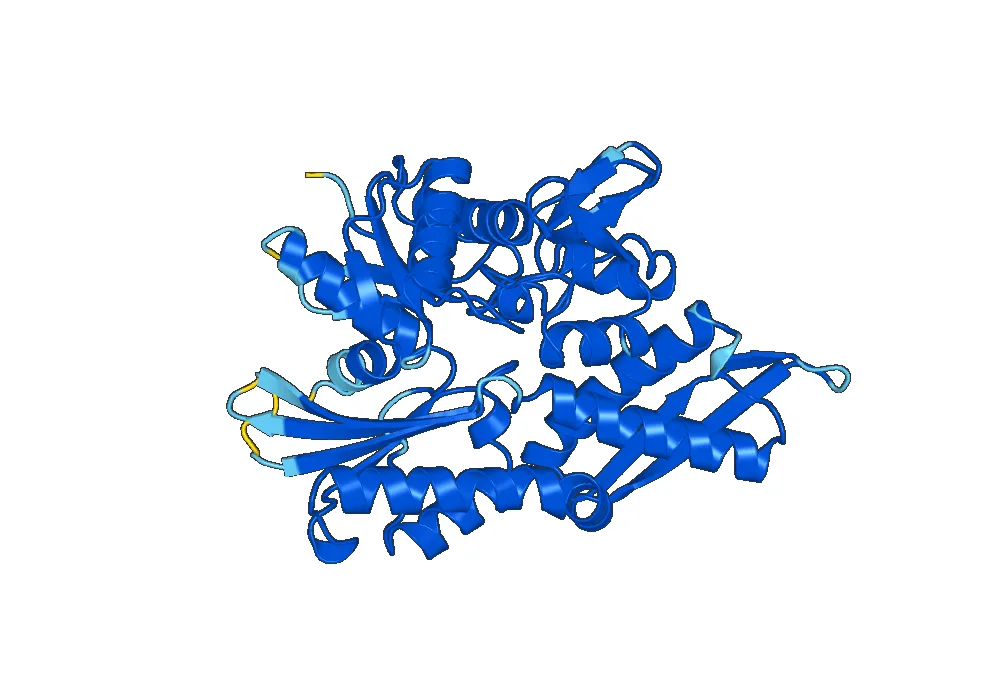
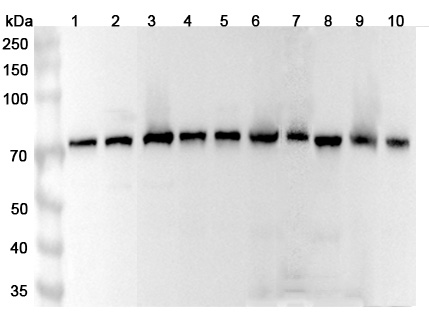
Recombinant Human HSPA9 is a 75 kDa protein consisting of 677 amino acids. It is composed of three domains: an N-terminal domain, a C-terminal domain, and a central ATPase domain. The N-terminal domain contains a mitochondrial targeting sequence, which directs the protein to the mitochondria. The C-terminal domain is responsible for binding to client proteins, while the ATPase domain is involved in ATP hydrolysis, a key step in the chaperone activity of HSPA9.
Activity of Recombinant Human HSPA9
As a member of the HSP70 family, Recombinant Human HSPA9 plays a crucial role in maintaining cellular homeostasis. It functions as a molecular chaperone, assisting in the folding of newly synthesized proteins and preventing the aggregation of misfolded or damaged proteins. This chaperone activity is essential for the proper functioning of cells, as misfolded proteins can lead to cellular dysfunction and disease.
In addition to its chaperone activity, Recombinant Human HSPA9 also plays a role in protein transport and degradation. It is involved in the translocation of proteins into the mitochondria and the endoplasmic reticulum, as well as the degradation of misfolded proteins through the ubiquitin-proteasome pathway.
Application of Recombinant Human HSPA9
Recombinant Human HSPA9 has been studied extensively for its potential therapeutic applications. Its chaperone activity and involvement in protein transport and degradation make it a promising target for the treatment of various diseases.
One potential application of Recombinant Human HSPA9 is in neurodegenerative diseases such as Alzheimer’s and Parkinson’s. These diseases are characterized by the accumulation of misfolded proteins, which can be prevented by HSPA9’s chaperone activity. Studies have shown that increasing the expression or activity of HSPA9 can reduce the aggregation of disease-associated proteins, providing a potential therapeutic strategy for these diseases.
Another potential application of Recombinant Human HSPA9 is in cancer treatment. Cancer cells often have increased levels of HSPA9, which help them survive and thrive in stressful conditions. Inhibiting HSPA9’s chaperone activity has been shown to induce cell death in cancer cells, making it a potential target for cancer therapy.
In addition to its potential therapeutic applications, Recombinant Human HSPA9 is also used as an antigen in research and diagnostic assays. Its high expression levels and conserved nature make it a suitable target for the development of antibodies and diagnostic tools.
Conclusion
Recombinant Human HSPA9, also known as Mortalin or GRP75, is a highly conserved member of the HSP70 family. Its role as a molecular chaperone, protein transporter, and degradation facilitator makes it an important protein in maintaining cellular homeostasis. Its potential therapeutic applications in neurodegenerative diseases and cancer, as well as its use as an antigen in research and diagnostics, make it a valuable target for scientific study. Further research on Recombinant Human HSPA9 could lead to the development of novel treatments for various diseases.
There are no reviews yet.