Introduction
The Recombinant Human HNRNPL Protein, also known as Heterogeneous Nuclear Ribonucleoprotein L, is a type of protein that plays a crucial role in various cellular processes such as RNA processing, transcription, and translation. This protein is produced through recombinant DNA technology, making it a highly pure and specific form of the protein. In this article, we will delve into the structure, activity, and applications of Recombinant Human HNRNPL Protein.
Structure of Recombinant Human HNRNPL Protein
The HNRNPL protein is a member of the heterogeneous nuclear ribonucleoprotein (hnRNP) family, which are a group of RNA-binding proteins that are involved in various aspects of RNA metabolism. The protein is composed of 533 amino acids and has a molecular weight of approximately 60 kDa. It contains three RNA recognition motifs (RRMs) that are responsible for its RNA-binding activity. These motifs are highly conserved and are essential for the protein’s function.
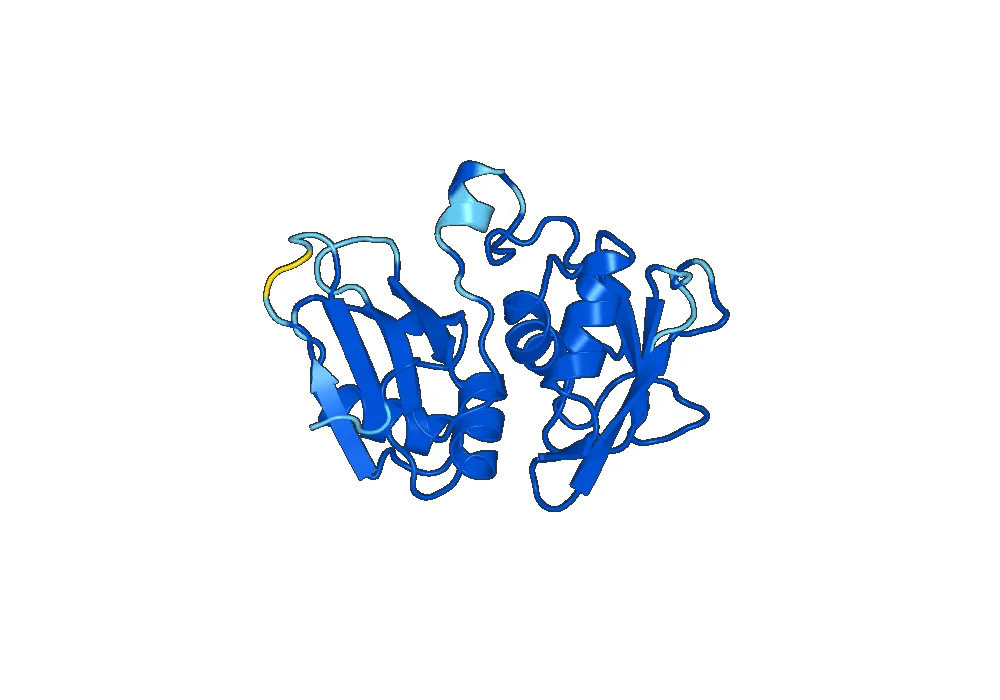
The crystal structure of HNRNPL protein has been determined, revealing that it has a globular structure with a central beta-sheet surrounded by alpha-helices. This structure allows the protein to interact with other proteins and RNA molecules, making it a crucial component of various cellular processes.
Activity of Recombinant Human HNRNPL Protein
The main activity of HNRNPL protein is its role in RNA processing. It binds to nascent RNA transcripts and regulates their splicing, polyadenylation, and stability. It also plays a role in regulating alternative splicing, which is a process that allows a single gene to produce multiple protein isoforms. This activity is crucial for the proper functioning of cells, as it allows for the production of different proteins with different functions from a single gene.
In addition to RNA processing, HNRNPL protein also has a role in transcription and translation. It has been shown to interact with transcription factors and regulate gene expression. It also binds to ribosomes and influences protein synthesis. These activities make HNRNPL protein a vital player in the regulation of gene expression and protein production.
Applications of Recombinant Human HNRNPL Protein
The recombinant form of HNRNPL protein has various applications in both research and industrial settings. One of its primary uses is in studying RNA processing and regulation. The highly pure and specific nature of the recombinant protein allows for accurate and reliable results in experiments related to RNA processing and alternative splicing.
Recombinant HNRNPL protein is also used in the production of vaccines and diagnostic tests. It can be used as an antigen in vaccine development, as it is highly immunogenic and can elicit a strong immune response. It is also used as a diagnostic antigen in tests for autoimmune diseases, as HNRNPL protein has been linked to various autoimmune disorders.
Furthermore, recombinant HNRNPL protein has potential therapeutic applications. It has been shown to have a role in cancer progression, and targeting this protein could be a potential treatment for certain types of cancer. It has also been implicated in neurodegenerative diseases, and further research on its role in these disorders could lead to the development of new treatments.
Conclusion
In summary, Recombinant Human HNRNPL Protein is a crucial component of various cellular processes, including RNA processing, transcription, and translation. Its structure, activity, and applications make it a valuable tool in research and have potential therapeutic uses. With further studies on this protein, we can gain a better understanding of its role in cellular processes and its potential applications in medicine.


There are no reviews yet.