Introduction
Recombinant Human SEPTIN7 Protein, also known as SEPT7, is a protein that is produced through genetic engineering techniques. It is a member of the septin family of GTP-binding proteins, which are involved in a variety of cellular processes such as cell division, cytoskeletal organization, and membrane trafficking. In this article, we will explore the structure, activity, and applications of Recombinant Human SEPTIN7 Protein.
Structure of Recombinant Human SEPTIN7 Protein
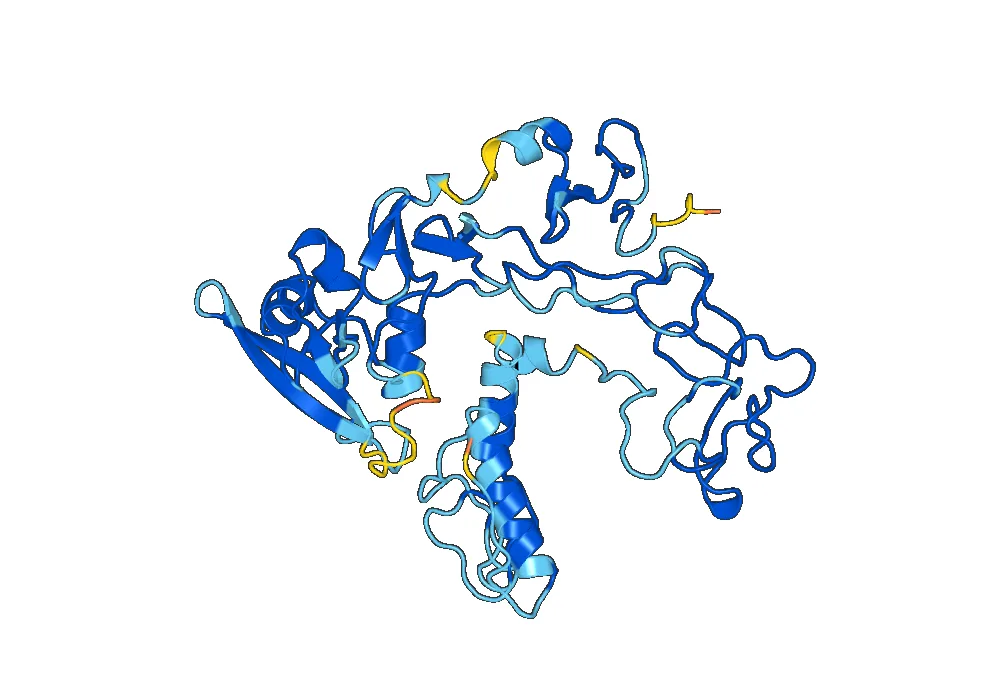
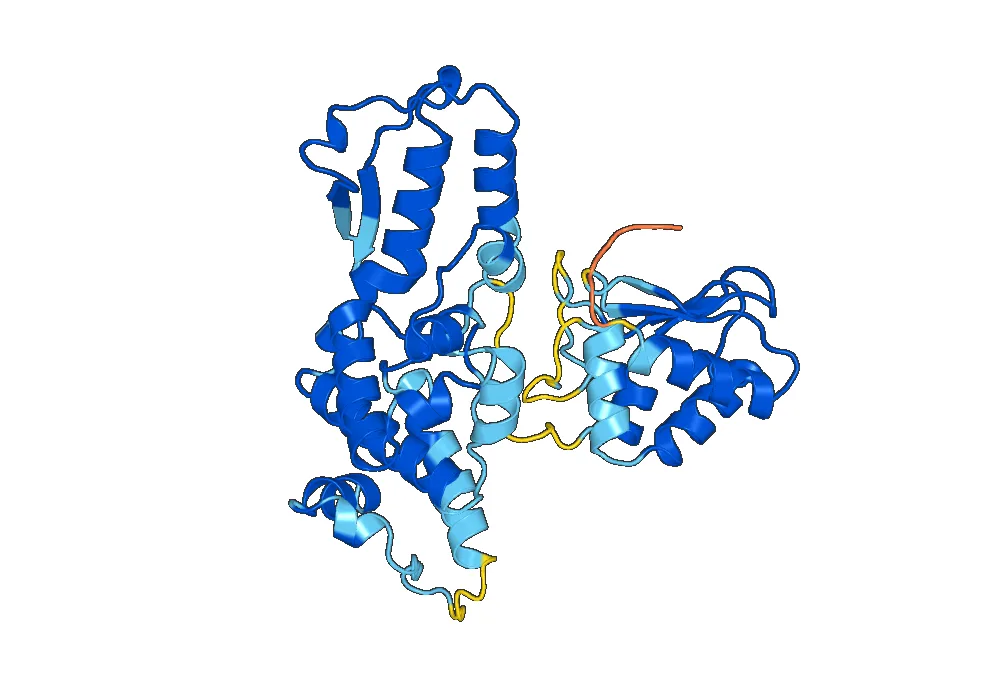
Recombinant Human SEPTIN7 Protein is a 437 amino acid protein with a molecular weight of approximately 49 kDa. It is composed of four distinct domains: a GTPase domain, a coiled-coil domain, a polybasic domain, and a C-terminal domain. The GTPase domain is responsible for binding and hydrolyzing GTP, while the coiled-coil domain mediates protein-protein interactions. The polybasic domain is involved in membrane binding, and the C-terminal domain is important for the formation of higher-order septin structures.
Activity of Recombinant Human SEPTIN7 Protein
Recombinant Human SEPTIN7 Protein plays a crucial role in the formation of septin filaments, which are dynamic cytoskeletal structures involved in various cellular processes. It functions as a scaffolding protein, bringing together other septin family members to form hetero-oligomeric complexes. These complexes then polymerize to form higher-order structures, such as septin rings and filaments, which are essential for cell division, cell migration, and membrane trafficking.
In addition to its role in septin filament formation, Recombinant Human SEPTIN7 Protein has been shown to interact with other proteins involved in cell signaling and cytoskeletal organization. For example, it has been reported to interact with the actin-binding protein cortactin, which regulates actin dynamics and cell motility. This suggests that Recombinant Human SEPTIN7 Protein may also play a role in regulating cell movement and shape.
Applications of Recombinant Human SEPTIN7 Protein
Recombinant Human SEPTIN7 Protein has a wide range of applications in both basic research and clinical settings. Its ability to form higher-order structures and interact with other proteins makes it a valuable tool for studying the role of septins in various cellular processes. For example, recombinant SEPTIN7 can be used to investigate the mechanisms of septin filament assembly and disassembly, as well as the functional consequences of disrupting septin function.
In addition to its use in basic research, Recombinant Human SEPTIN7 Protein has potential clinical applications. Septins have been implicated in various diseases, including cancer, neurological disorders, and infectious diseases. Recombinant SEPTIN7 can be used to study the role of septins in these diseases and potentially serve as a therapeutic target. Furthermore, recombinant SEPTIN7 can be used in diagnostic assays to detect the presence of specific antibodies against septins, which may be useful for early detection of certain diseases.
Conclusion
In summary, Recombinant Human SEPTIN7 Protein is a versatile protein with a crucial role in septin filament formation and other cellular processes. Its distinct structure and activity make it a valuable tool for studying the function of septins in various cellular processes. Additionally, its potential clinical applications make it a promising target for further research and development.

There are no reviews yet.