Introduction to Recombinant Human H2AZ1 Protein
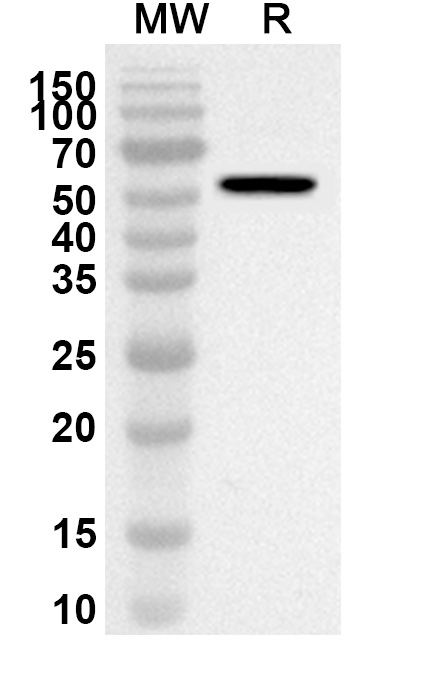
Recombinant Human H2AZ1 Protein, also known as Histone H2A.Z, is a highly conserved protein that plays a crucial role in regulating chromatin structure and gene expression. It is a variant of the core histone protein H2A, which is responsible for packaging DNA into nucleosomes. The H2AZ1 gene is found in all eukaryotic organisms and encodes for a protein with a molecular weight of approximately 14 kDa.
Structure of Recombinant Human H2AZ1 Protein
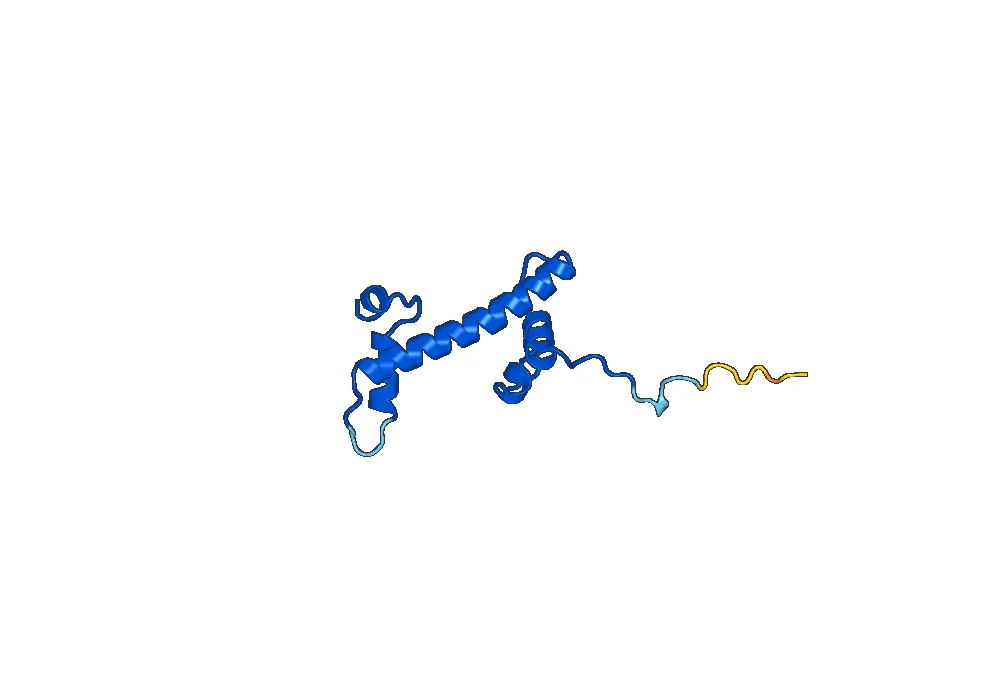
The primary structure of Recombinant Human H2AZ1 Protein consists of 128 amino acids and is highly similar to the H2A protein. However, it contains a unique N-terminal tail that is responsible for its distinct functions. The protein is composed of a globular domain, a long helical domain, and a C-terminal tail. The globular domain is responsible for DNA binding, while the long helical domain is involved in protein-protein interactions. The C-terminal tail is responsible for post-translational modifications, such as acetylation and phosphorylation, which play a crucial role in regulating the protein’s activity.
The crystal structure of Recombinant Human H2AZ1 Protein has been determined, revealing its three-dimensional conformation. It forms a dimer with another H2AZ1 protein, forming a tetramer with two H2B proteins. This tetramer then combines with two H3 and two H4 proteins to form the nucleosome core particle, which is the basic unit of chromatin structure.
Activity of Recombinant Human H2AZ1 Protein
Recombinant Human H2AZ1 Protein is involved in various cellular processes, including transcriptional regulation, DNA repair, and genome stability. It is known to be incorporated into chromatin at specific genomic regions, such as promoters and enhancers, where it plays a crucial role in regulating gene expression. It has been shown to facilitate the recruitment of transcription factors and chromatin-modifying enzymes, leading to changes in chromatin structure and gene expression.
Additionally, Recombinant Human H2AZ1 Protein has been found to be involved in DNA repair mechanisms. It is recruited to sites of DNA damage and has been shown to facilitate the repair of double-stranded DNA breaks. This activity is crucial for maintaining genome stability and preventing the development of diseases such as cancer.
Application of Recombinant Human H2AZ1 Protein
The unique properties and functions of Recombinant Human H2AZ1 Protein make it a valuable tool in various research applications. It is commonly used as an antigen in studies involving chromatin structure and gene regulation. Recombinant H2AZ1 protein can be produced in large quantities using recombinant DNA technology, making it easily accessible for research purposes.
Furthermore, Recombinant Human H2AZ1 Protein has been found to be dysregulated in various diseases, including cancer and neurological disorders. This makes it a potential therapeutic target for the development of novel treatments. In addition, its involvement in DNA repair mechanisms makes it a promising candidate for the development of diagnostic tools for DNA damage-related diseases.
Conclusion
In conclusion, Recombinant Human H2AZ1 Protein is a highly conserved protein that plays a crucial role in regulating chromatin structure and gene expression. Its unique structure and functions make it a valuable tool in research and a potential target for therapeutic development. Further studies on this protein may provide a better understanding of its role in various cellular processes and its potential applications in the diagnosis and treatment of diseases.


There are no reviews yet.