Introduction
Recombinant human GYG1 protein is a highly versatile protein that has been extensively studied and utilized in various fields of scientific research. This protein is a recombinant form of the human glycogenin-1 (GYG1) enzyme, which plays a crucial role in glycogen metabolism. In this article, we will explore the structure, activity, and applications of recombinant human GYG1 protein.
Structure of Recombinant Human GYG1 Protein
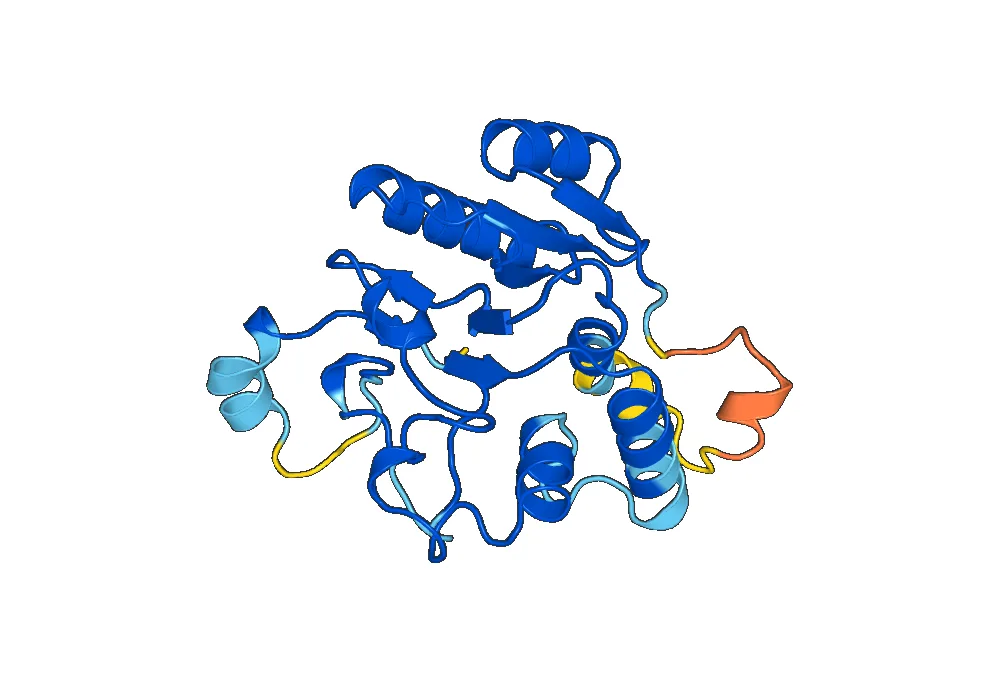
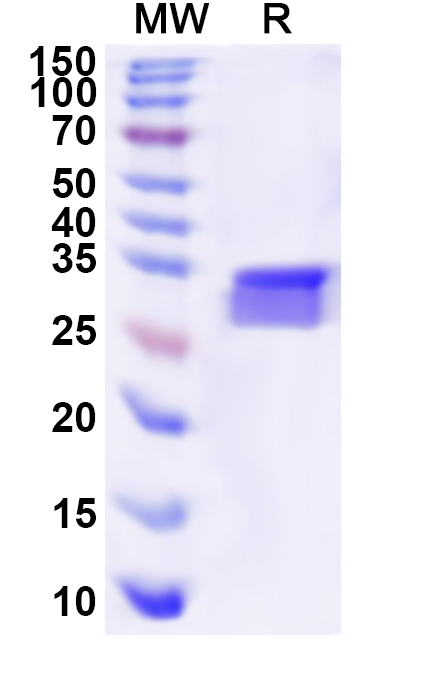
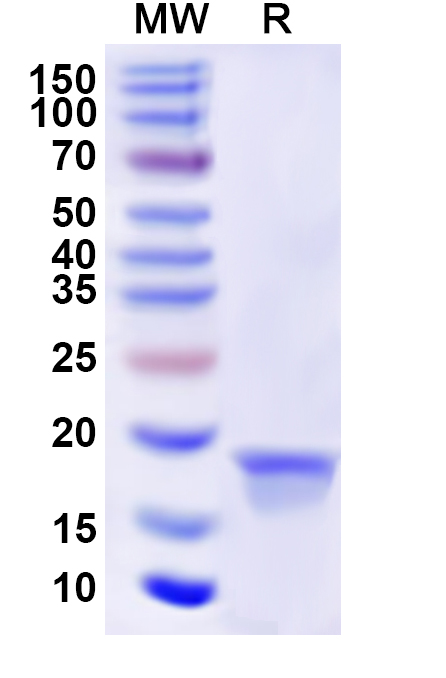
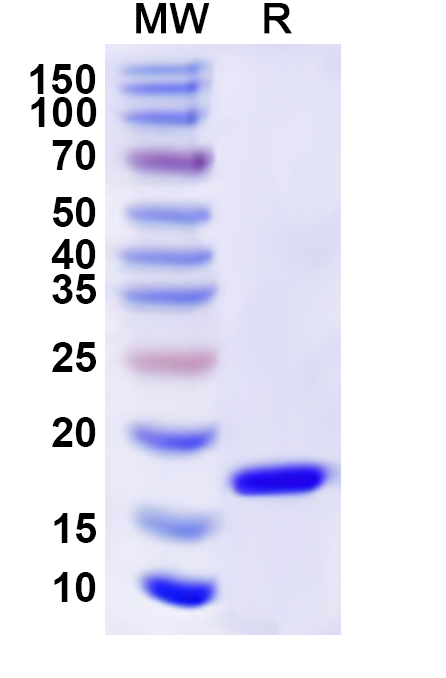
The recombinant human GYG1 protein is a 37 kDa protein that consists of 335 amino acids. It is composed of three distinct domains, namely the N-terminal domain, the catalytic domain, and the C-terminal domain. The N-terminal domain is responsible for the protein’s interaction with glycogenin-2, while the catalytic domain contains the active site of the enzyme. The C-terminal domain is involved in the regulation of the enzyme’s activity.
Activity of Recombinant Human GYG1 Protein
The primary function of the GYG1 protein is to initiate the synthesis of glycogen, which is the main storage form of glucose in the body. The recombinant form of this protein has been shown to possess similar enzymatic activity as the native protein. It catalyzes the transfer of glucose from UDP-glucose to the hydroxyl group of a tyrosine residue in glycogenin-2, thereby initiating the formation of glycogen chains.
Apart from its role in glycogen synthesis, recombinant human GYG1 protein has also been found to have other activities. Studies have shown that it can interact with various proteins involved in glycogen metabolism, such as glycogen synthase and glycogen debranching enzyme. This interaction may play a role in regulating the activity of these enzymes and maintaining the balance of glycogen metabolism in the body.
Applications of Recombinant Human GYG1 Protein
Recombinant human GYG1 protein has a wide range of applications in scientific research. One of its main uses is in the study of glycogen metabolism. By using this protein, researchers can investigate the role of GYG1 in the initiation of glycogen synthesis and its interaction with other enzymes involved in this process. This can provide valuable insights into the regulation of glycogen metabolism and its dysregulation in diseases such as diabetes and glycogen storage diseases.
Another important application of recombinant human GYG1 protein is in the production of glycogen-based biomaterials. Glycogen is a biocompatible and biodegradable polymer that has been used in various biomedical applications, such as drug delivery and tissue engineering. By using recombinant GYG1 protein, researchers can produce glycogen with specific structural and functional properties, making it suitable for various applications.
Recombinant human GYG1 protein has also been utilized in the development of diagnostic assays for glycogen storage diseases. These diseases are caused by mutations in genes involved in glycogen metabolism, including GYG1. The recombinant protein can be used as an antigen to detect the presence of antibodies against GYG1 in patient samples, aiding in the diagnosis of these diseases.
Conclusion
In conclusion, recombinant human GYG1 protein is a highly valuable tool in scientific research due to its diverse applications. Its well-characterized structure and enzymatic activity make it a reliable protein for studying glycogen metabolism and its dysregulation in diseases. Furthermore, its use in the production of glycogen-based biomaterials and diagnostic assays highlights its potential in various fields of biotechnology. Continued research on this protein can further enhance our understanding of its role in glycogen metabolism and its potential applications in the future.

There are no reviews yet.