Introduction
Recombinant proteins have become an essential tool in various fields of research, diagnostics, and therapeutics. One such protein is the Recombinant Human GALE Protein, which has gained significant attention due to its unique structure, activity, and potential applications. In this article, we will delve into the details of this protein and explore its various aspects.
Structure of Recombinant Human GALE Protein
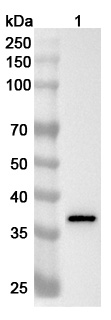
The Recombinant Human GALE Protein is a recombinant form of the human UDP-galactose-4-epimerase (GALE) enzyme. It is encoded by the GALE gene located on chromosome 1 in humans. The protein is composed of 368 amino acids and has a molecular weight of approximately 41 kDa.
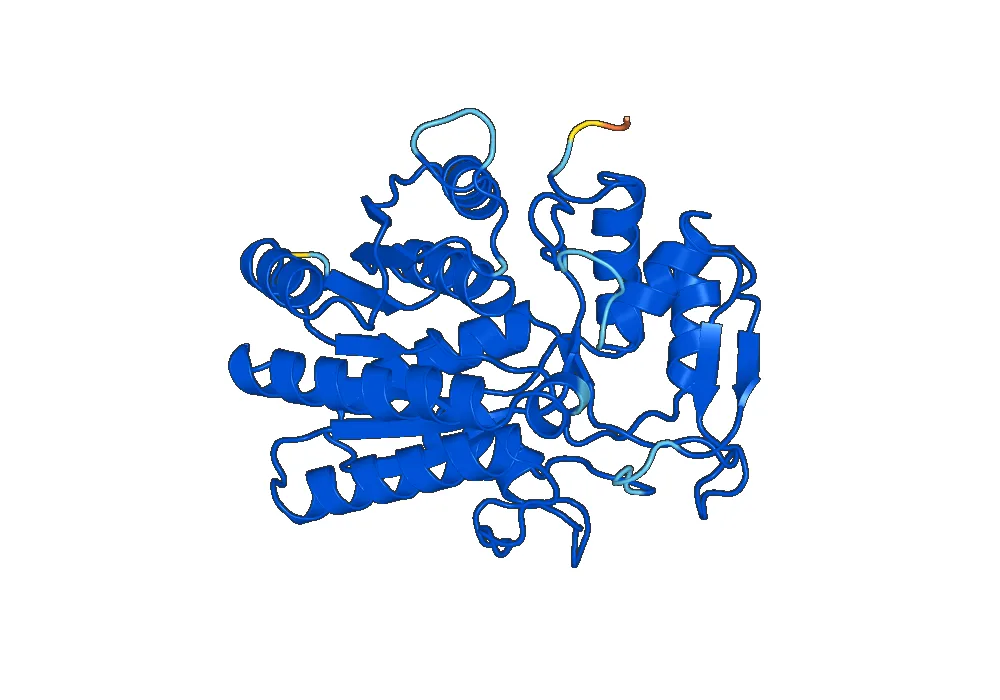
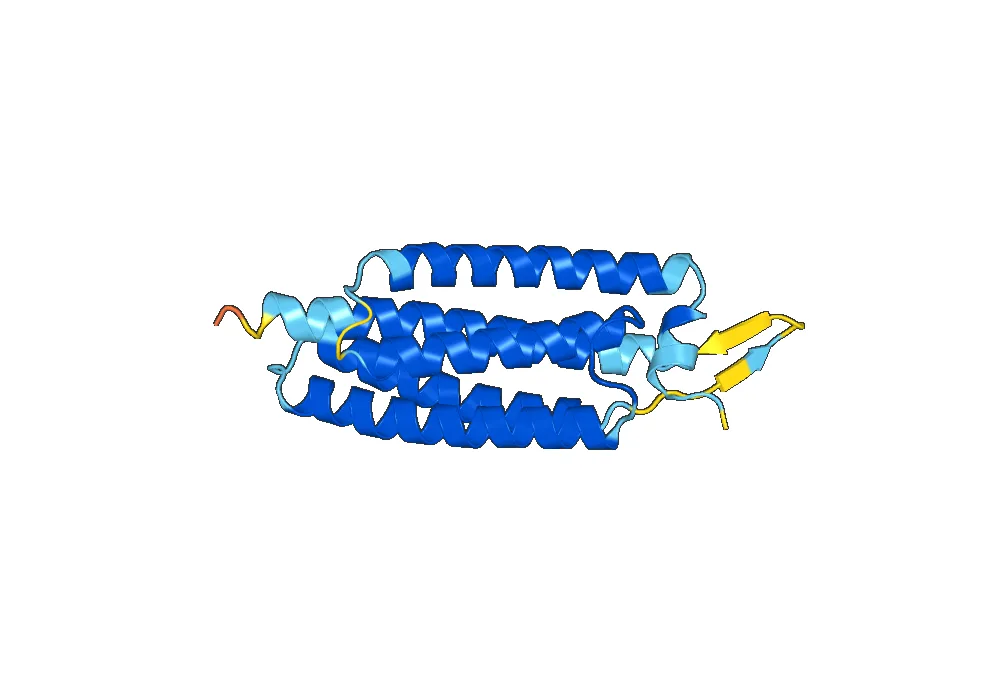
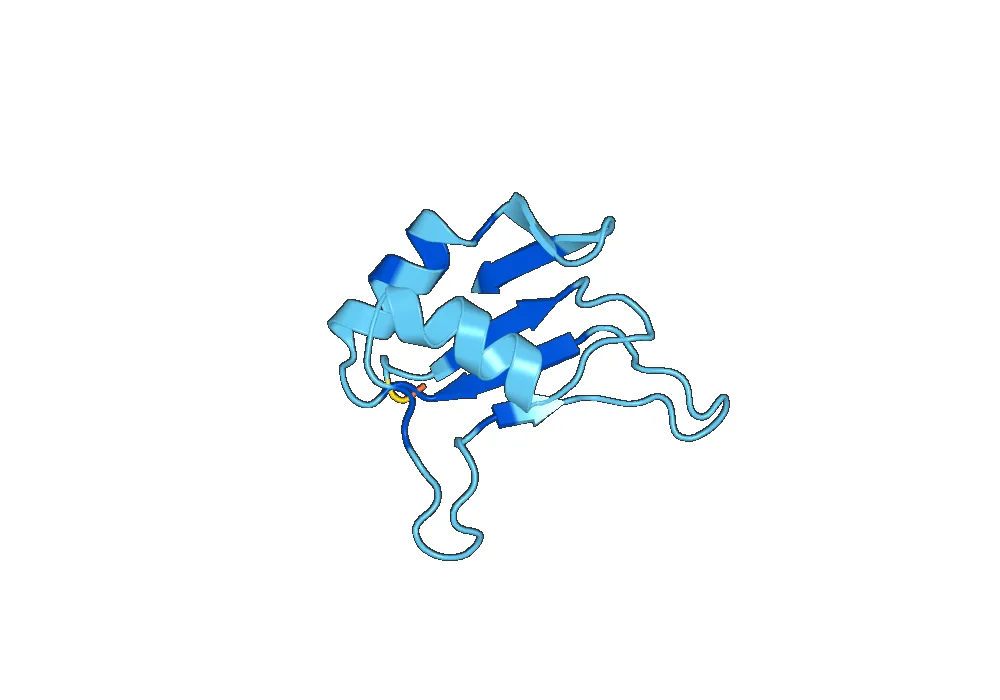
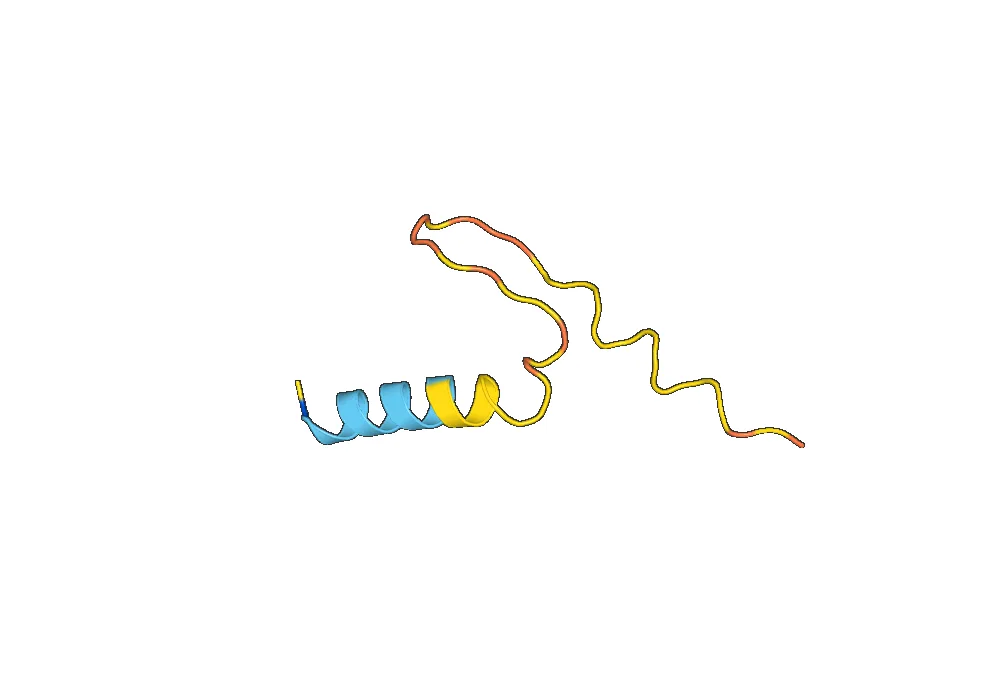
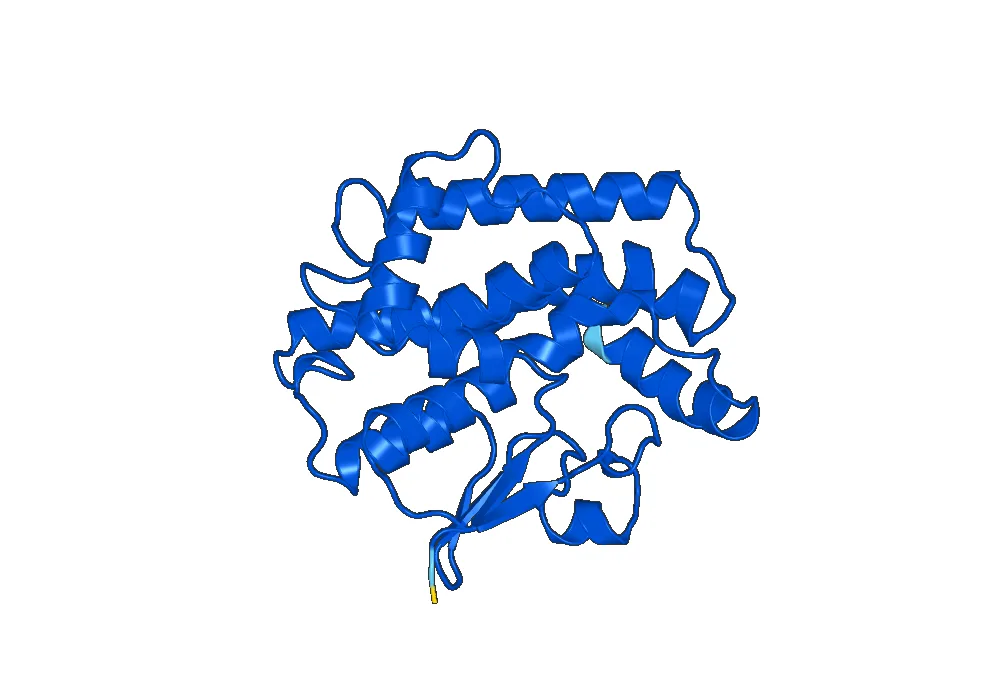
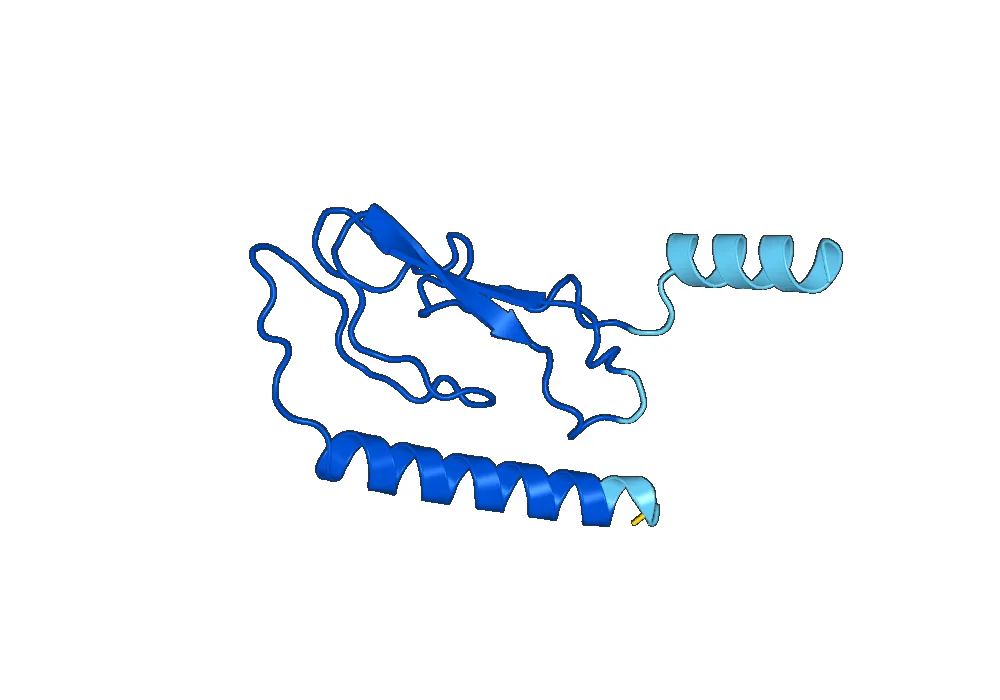
The crystal structure of Recombinant Human GALE Protein has been determined, and it consists of two domains – an N-terminal domain and a C-terminal domain. The N-terminal domain is responsible for binding to the substrate, while the C-terminal domain is involved in catalysis. The protein also contains a zinc ion, which is essential for its enzymatic activity.
Activity of Recombinant Human GALE Protein
Recombinant Human GALE Protein is a key enzyme involved in the biosynthesis of UDP-galactose, which is a critical precursor for the synthesis of glycolipids, glycoproteins, and proteoglycans. It catalyzes the conversion of UDP-glucose to UDP-galactose, which is a reversible reaction.
The enzymatic activity of Recombinant Human GALE Protein has been extensively studied, and it has been found to have a high specificity for its substrate. It also exhibits a high affinity for UDP-glucose, making it a highly efficient enzyme. The protein has been shown to have a pH optimum of 7.5-8.5 and a temperature optimum of 37°C.
Application of Recombinant Human GALE Protein
Recombinant Human GALE Protein has a wide range of potential applications due to its unique structure and activity. Some of its key applications are:
- Production of glycosylated proteins: Recombinant Human GALE Protein can be used to produce glycosylated proteins in vitro. This can be useful in studying the role of glycosylation in various biological processes.
- Detection of galactosemia: Galactosemia is a rare genetic disorder caused by a deficiency of GALE enzyme. Recombinant Human GALE Protein can be used as an antigen in diagnostic tests for galactosemia.
- Development of therapeutics: Mutations in the GALE gene have been associated with various diseases, including galactosemia and cancer. Recombinant Human GALE Protein can be used to study the effects of these mutations and aid in the development of potential therapeutics.
- Research on glycosylation disorders: Glycosylation disorders are a group of rare genetic disorders caused by defects in the glycosylation process. Recombinant Human GALE Protein can be used to study the role of GALE enzyme in these disorders and aid in the development of treatments.
Conclusion
Recombinant Human GALE Protein is a highly valuable protein with a unique structure and activity. Its potential applications in various fields make it an essential tool for research and diagnostics. With further studies and advancements, this protein has the potential to contribute significantly to the understanding and treatment of various diseases.
There are no reviews yet.